
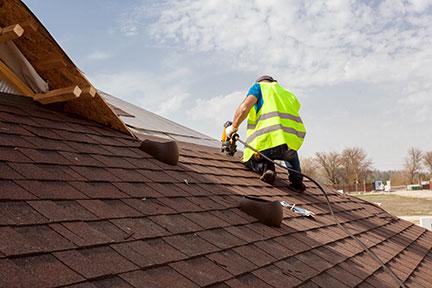
A roof is often treated like a single item—something you “replace” or “repair”—but in practice it’s a system. Tiles or slates might be the visible part, yet the long-term performance is usually decided by the less glamorous components: membranes, battens, fixings, ventilation, flashings, and drainage details. When those parts are chosen poorly (or value-engineered without thinking through consequences), the bill rarely shows up on day one. It arrives later as call-backs, damp patches, heat loss, timber decay, or premature re-roofing.
So the real question isn’t “How much is a new roof?” It’s “How much will this roof cost me over the next 10–20 years?”
If you’re planning work—whether you’re a homeowner coordinating trades or a contractor trying to avoid snag lists—spending time on the components is one of the highest-return decisions you can make. Even simple steps like checking compatibility, correct spec, and sourcing reliable materials from a specialist supplier (for example, browsing component options and technical details at jjroofingsupplies.co.uk) can prevent the common failure points that shorten a roof’s lifespan.
The hidden cost of “cheap now, pay later”
It’s easy to compare quotes on the headline figure. What’s harder is spotting where shortcuts typically hide:
Underlay and membranes: the unseen weather line
A good roof covering sheds the majority of water, but wind-driven rain and fine snow still find routes in. That’s why underlay selection matters. A low-grade membrane (or the right membrane installed wrong) can lead to:
- Persistent condensation issues in the loft
- Reduced resistance to wind uplift
- Premature tearing around fixings and laps
Over time, moisture problems aren’t just cosmetic. They can degrade insulation performance, encourage mould, and stress timber—costs that dwarf the savings from a bargain roll of underlay.
Fixings and battens: small items, big consequences
Battens and fixings rarely get attention until something moves. Yet they govern mechanical stability. In coastal or high-wind areas, under-specified nails, the wrong corrosion class, or inconsistent batten quality can become a genuine safety and insurance issue. The failure mode is boring but expensive: slipped tiles, recurring repairs, and water ingress at the worst possible moment.
Performance is built at the junctions (not the field)
Most roof areas are repetitive. The complicated parts—where one material meets another—are where roofs either earn their keep or begin to fail.
Flashings and abutments: where leaks begin
Chimneys, dormers, valleys, and wall abutments are classic leak origins. The reason isn’t mysterious: these are transitions, and transitions need the right component plus good workmanship. A few common pitfalls:
- Flashings that are too short or poorly dressed
- Incompatible sealants that crack or detach after a couple of seasons
- Incorrect lead alternatives used where movement is expected
Investing in properly designed flashings and accessories isn’t about overbuilding; it’s about acknowledging that water will always test the weakest point.
Ventilation: the quiet determinant of longevity
Modern homes are more airtight, and insulation levels are higher—good news for energy bills, but it changes how roofs behave. Without an effective ventilation strategy, moisture generated inside the home can condense in the roof space.
The best approach is planned, not improvised: continuous ridge ventilation, correctly specified soffit vents, or tile vents placed where airflow actually works. It’s not just about avoiding visible mould. Long-term elevated moisture content can reduce timber strength and shorten the life of the roof structure.
Energy efficiency isn’t only insulation—it’s detailing
When people think “thermal performance,” they jump straight to insulation thickness. That matters, but so does how the roof is detailed.
Airtightness and moisture management work together
A roof assembly has to control heat, air, and moisture. If warm air leaks into colder zones, condensation follows—even with lots of insulation. Likewise, if a vapour control layer is missing or damaged, moisture transport becomes unpredictable.
The payoff for getting it right is steady: fewer cold spots, less risk of rot, and insulation that performs as rated (rather than gradually underperforming as it gets damp).
Future-proofing for changing weather patterns
The UK is seeing more intense rainfall events and more frequent storm systems. That puts pressure on gutters, valleys, and edge details. Choosing robust components here is a form of resilience planning. A slightly better gutter system or a more durable valley detail can be the difference between “storm came and went” and “storm triggered a weekend of emergency calls.”
Compatibility and compliance: the unglamorous ROI
You can buy good parts and still get poor outcomes if they’re mismatched. Compatibility is where many roofs quietly lose value.
Mixing systems can create avoidable failures
Common examples include incompatible sealants with certain membranes, wrong fixings for treated timber, or accessory parts that don’t match the tile profile. These issues don’t always show up immediately; they show up after thermal cycling, UV exposure, or a few seasons of wind loading.
A practical mindset helps: treat the roof like an engineered assembly. Check manufacturer guidance. Match components. Keep an eye on required overlaps, fix patterns, and wind zone recommendations.
Documentation matters more than people think
For contractors, documentation protects margin. For homeowners, it protects resale value and reduces disputes. When component choices align with recognised standards and manufacturer specs, it’s easier to:
- Sign off building control requirements where relevant
- Support warranties (materials and workmanship)
- Demonstrate due diligence if an insurer asks questions after storm damage
How to spend smarter without overspending
You don’t need to specify the most expensive option in every category. You need to spend where failure is costly and hard to access later.
Here’s a simple prioritisation that usually pays off:
- Waterproofing and junctions first: underlay, flashings, valleys, abutments
- Structural integrity next: battens, fixings, wind-uplift considerations
- Moisture control and ventilation: ridge/soffit systems, tile vents, vapour layers
- Drainage and edges: gutters, fascias, drip edges, eaves protection
If budget is tight, avoid cutting costs on anything that’s buried once the roof is finished. Replacing a visible accessory later is annoying; redoing membranes or correcting ventilation pathways is far more disruptive.
The bottom line: roofs fail in predictable ways
The good news is that most roof failures aren’t mysterious. They’re repeatable, familiar, and often preventable with better component choices and better detailing. Investing in the right roof components pays off because it reduces rework, stabilises performance, and extends service life—the three things that ultimately determine whether your roof is an asset or a recurring expense.
If you’re planning a project, focus less on the headline tile and more on the system beneath it. That’s where the real return lives.