
Insulation used to be a one-material conversation: add more fiberglass or foam and you get a better building. But modern homes fail in a different way—through radiant heat. Sun-baked roofs can turn attics into ovens, and that heat “radiates” downward even when air leaks are sealed and R-values look respectable. Radiant barriers address that gap by reflecting infrared energy instead of resisting heat flow through mass.
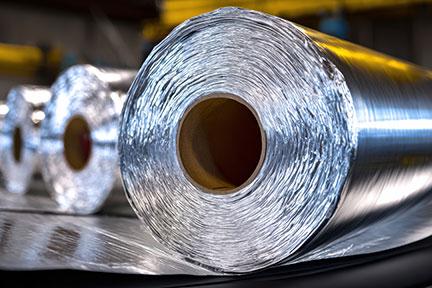
At their simplest, radiant barriers are low‑emissivity surfaces—often aluminum foil—that face an air space. When installed under roof decking, along rafters, or above attic insulation, they can cut the amount of radiant energy entering the living space. If you want a concrete example of what installers mean by a foil layer, a foil-based thermal barrier for buildings is the classic format: reflective foil designed to be stapled or draped so it “sees” an air gap. The details of placement matter, but the physics is straightforward: reduce radiation, and your cooling load drops.
How Radiant Heat Differs From Conduction and Convection
Most insulation products are rated by R‑value, a measure that mainly captures resistance to conductive heat flow. That’s important, but it doesn’t tell the whole story in roof assemblies. In summer, the underside of a dark roof can exceed outdoor air temperature by 30–60°F. The hot roof surface then emits long‑wave infrared radiation into the attic. Air sealing helps with convective movement, and thick batts slow conduction, yet radiation can still warm ducts, joists, and the top of the insulation blanket. A radiant barrier lowers the roof surface’s effective emissivity, meaning it sends less radiant energy across the attic air space.
Where Radiant Barriers Make the Biggest Difference
Hot climates and cooling-dominated homes
Field studies and modeling consistently show the strongest payoff in cooling seasons. In the Sun Belt, attic radiant barriers can reduce heat flux through the ceiling and shorten HVAC run times, especially when ducts run through the attic. The effect is smaller in mild regions, and it can be negligible in heavily shaded roofs or homes with unvented, spray-foam rooflines where the attic is already inside the thermal envelope. Think of radiant barriers as a targeted tool: they’re most useful when the roof gets very hot and there’s an attic air space for radiation to cross.
Ducts, HVAC equipment, and attic storage
Even if your ceiling insulation is adequate, an overheated attic can punish everything else up there. Flexible ducts lose performance when the surrounding air is 120–140°F; any leakage becomes far more costly. Likewise, air handlers and recessed lights run hotter, and stored items age faster. By reducing radiant load from the roof deck, a barrier can moderate peak attic temperatures. That doesn’t replace duct sealing or proper insulation, but it can make those upgrades work harder—like lowering the “starting temperature” the rest of the system has to fight.
Installation Realities: What Makes or Breaks Performance
Radiant barriers look deceptively simple: shiny side toward the heat source. In practice, the two most common failure modes are dust and lost air space. If a horizontal foil layer collects dust, its reflectivity drops. If foil is sandwiched directly against plywood or insulation, it can’t “see” an air gap, and the radiant benefit largely disappears. Good installs focus on keeping a clear air space and maintaining ventilation paths.
Before you staple anything, check a few practical details:
- Confirm you’re not blocking soffit-to-ridge airflow; baffling may be needed.
- Avoid direct contact with can lights, flues, or other hot surfaces—follow clearance requirements.
- In humid climates, understand vapor behavior; foil is a vapor retarder and can trap moisture in the wrong assembly.
- Seal major attic air leaks first; radiant control doesn’t fix stack-effect losses.
- If you’re hiring out, ask how the installer will keep the foil clean and tensioned over time.
Those cautions are why radiant barriers belong in a whole-house strategy, not as a magic layer. When paired with air sealing at the ceiling plane, adequate insulation depth, and a balanced attic ventilation approach, they can help knock down peak loads. In performance terms, you’re shaving the top off the daily heat curve—often enough to improve comfort in rooms under the roof and to reduce summertime HVAC cycling.
Radiant Barriers and Today’s Building Codes & Trends
Building codes still lean heavily on R‑value and air tightness, but the market is shifting toward measured performance: HERS scores, heat-pump-ready electrification, and demand-response programs that reward lower peak loads. Radiant barriers fit that direction because they target peak solar gain, not just steady-state conduction. They’re also relevant for retrofit work, where you might not be able to add much insulation depth without raising the attic floor or altering eave ventilation. In new construction, designers are increasingly combining cool roofs (high solar reflectance shingles or membranes) with radiant control to reduce attic temperatures from the start.
A Practical Decision Framework
So, should you specify a radiant barrier on your next project? Start by diagnosing the dominant problem. If winter heating bills are high, you’ll usually get more from air sealing and additional insulation. If summer comfort is the complaint—hot ceilings, rooms that lag the thermostat, or HVAC struggling in late afternoon—radiant control deserves a look. The best candidates tend to share three traits: a vented attic, significant sun exposure, and mechanical systems (especially ducts) located above the ceiling plane.
Verify results with attic temperature logging and utility bills over time.