
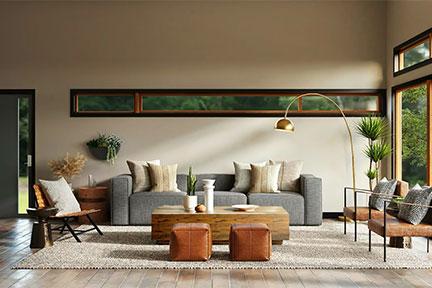
This was a sharp change from the way people lived, worked, and relaxed five years ago. Consequently, designers are now focusing on how they will approach color materiality, lighting, and technology instead. It means that instead of interiors which appear picture-perfect and feel like they have been staged to within an inch of their lives, homeowners instead tend to prefer rooms that look as if someone actually lives in them, and are literally comfortable.
Today's interiors are blending natural textures with expressive colors—alongside devices that slip discreetly into the background without drawing attention. The new mood means combining beauty and convenience: rooms that make life easier rather than harder. These trends are not just about the look, but also about how people want to feel at home.
All of that is reflected in the signifiers of home: creatively inclined brownies, fun family dinner parties with children who actually like food, and experiences with great value. But when you're updating your space or otherwise readying for renovation, connecting with professionals such as LBC Mortgage can help usher in the right finance and make your vision happen.
The Rise of Warm Minimalism and Its New Approach to Comfort
Minimalism was once cold in the US. A lot of times, it was white walls, white floors, unbroken by any black marks, because any black color is not very harmonious with minimalism at all. After years of this being the model, anyone living in such an environment would have serious doubts about it. But now things are different. Today's version of warm minimalism preserves the clean lines of its predecessor but adds a more gentle mix of colors to itself.
Designers use materials like oak, linen, clay, and warm-toned stone to soften the surfaces without ruining this clean pedicellate look. They move between structure and comfort, allowing rooms to feel like they are anchored rather than stiff.
Light is also crucial. Warm-temperature bulbs, layered lamps; perhaps a few well-chosen wall sconces tucked into the corners of one’s living room bookcase or on either side to provide soothing light rather than harsh glare-these are all keys to creating an atmosphere that feels mellow upon your arrival.
Furniture has its role to play as well. Where sofas and armchairs have quiet edges that are curved, tables go low and are put in the background for a groundswell of peace. Everything must have a purpose-never too much. Which is not to say there’s no warmth in this streamlined environment; nothing seems misplaced at all: all things come together naturally. The decor has been thoughtfully selected from head to foot.
Nature-Inspired Materials Transforming Everyday Spaces
More than ever, designers across the U.S. are incorporating natural elements into their work. This trend is, at its core, both emotional and practical. People are spending increasing lengths of time inside, so they want to feel close to nature. Homes of every style--from suburban houses to city apartments--are featuring wood with a visible grain, stone that bears the touch of its last sculptor, surreptitiously softened metal, cotton, wool, rattan, clay, rough concrete. Materials like these have a tactile quality all their own, one which synthetic finishes just can't duplicate.
One detail almost everyone pointed out: more and more people are into the beauty of accidents. Instead of perfect flat drywalls, the homeowner would rather live with textures that have some character--lime wash walls, a matte plaster finish, honed stone, or even a hint of unpainted oak. These finishes throw natural light very well, and give calm to a room. But many home-owners have also confided to us that in their eyes, these surfaces make the home "alive"--especially as light changes over a day. Moreover, they age well; this is a wise long-term choice.
Natural materials extend also to everyday objects--basket weavers, stoneware plates and cups for everyday use, wool carpet as a floor covering, and real-wood bookcases. Even kitchens show this trend: A number of Americans today opt for warmer hardwoods, flecked stone countertops that bear the signature of time, earth-colored palettes instead of shiny synthetic surfaces or radically white paint jobs. It is not seeking perfection. It is seeking somehow to link up from here to there—to nature, to the fingers, through a slower way of living which is woven around quiet spaces and more easily sidesteps the clutter of things.
The Keyboard of Nature-based Design:
- Wood finishes with visible grain bring warmth, texture, and emotional grounding indoors.
- Natural stone surfaces add depth, authenticity, and timeless character to every room.
- Indoor plants soften spaces, purify air, and connect residents with calming nature.
- Matte plaster walls create gentle light diffusion and emphasize organic surface variations.
- Rattan and wicker furniture introduce airy structure and relaxed natural interior moods.
- Wool textiles offer comfort, durability, and a grounding tactile presence in homes.
Bold Colors, Statement Textures, and the Return of Character
Americans leaned heavily on gray and beige for interior design for years. That era is waning, however. Bold, expressive elements are back. Colors that can oxygenate a room, textures that create curiosity, and furnishings that tell a story. It dawned on people that a house devoid of personality—albeit safe—is still an insipid space. Nowadays, more and more people want places that reflect their taste, mood, and memories.
Color leads this shift. Deep green, rich blue, spicy terracotta, oxblood reds, and soft mustards adorn counters and sofas. In this way, a room is brightened without becoming oppressive. Even bathrooms, once bastions of neutral tones, now adopt dark-colored tiles and sinks or checkered floors. One bold item at a time, until you find its rhythm, designers urge their clients to experiment.
Textures are just as key. Bouclé, velvet, ribbed wood, thick linen, craggy pottery that doubles as sculpture, and woven wallpaper all play a role. These textures break the predictability of surfaces and give life to layers throughout a home. When blended well, they make life in the house feel balanced and inviting. An armchair of rough fabric, for instance, can bring a quiet nook into focus.
The movement back towards unique items is another outstanding element of contemporary design. Vintage furniture, flea market finds, handcrafted pieces, and meaningful fine art are shaping interiors today. People are shifting away from mass-produced furnishings and choosing items with character—furniture that’s lived in, art that sparks conversation, and lights whose sculptural shapes stand out. This trend makes homes human, rather than homogenized.