
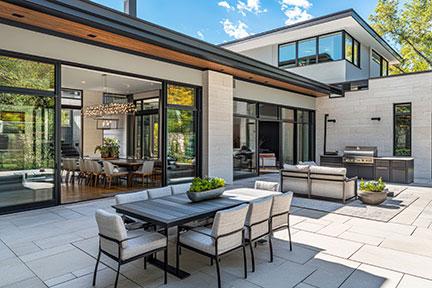
Safety at home starts with doors you can operate easily and trust under stress. Seniors need locks that reduce strain, prevent slips at the threshold, and keep intruders out. Keypads, larger levers, and clear indicators help more than high-tech gimmicks. Used well, they add confidence to daily routines. For example, a patio door smart lock can also make backyard access simple by replacing small keys and stiff latches with a code or tap.
This shorter guide focuses on choices that work day after day. You will see how to pick graded hardware, where smart features help, how to reinforce frames and sliders, and how to plan for emergencies without locking out help.
Choose Secure, Accessible Hardware
Start with ANSI/BHMA Grade 1 or Grade 2 deadbolts for exterior doors. Pair them with lever handles to ease wrist and grip demands. Pick an interior thumbturn with a smooth throw so locking never feels like a chore. For keypads, favor backlit, high-contrast numbers and a clear confirmation tone. If you prefer keys, ask for large bow keys with textured grips and color-coded spares.
Fit the hardware to real movement patterns. Mount keypads at a comfortable height near the most used entrance. Add a lever on the garage service door.
Use Smart Features With Clear Rules
Smart locks help when you set them up with simple guardrails. Create unique codes for family, neighbors, and caregivers. Limit some codes to appointment hours and turn on alerts so you know who arrived and when. Keep fresh batteries in a labeled drawer and replace them at the first low-battery ping. Store a spare key in a hardened outdoor lockbox or with a trusted neighbor.
Choose automation you control. Auto-relock after a short delay prevents lapses. Geofencing can misfire, so many seniors prefer a keypad or app tap. If you use voice assistants, require a PIN for unlock and restrict that feature to devices inside the home. Pair the lock with a video doorbell so you can see a visitor, speak, then unlock without opening the door blindly.
Plan for Emergencies and Keep Upkeep Simple
Choose single-motion egress on main doors so you can exit fast during a fire. Avoid double-cylinder deadbolts on glass doors in most homes. If you need extra protection near glass, add laminated glass or security film and keep a normal single-cylinder deadbolt.
Create an access plan for responders. Ask your fire department about residential lockboxes. If your area lacks a program, mount a quality lockbox and share the code with trusted contacts. Print a short sheet with key numbers, medical notes, and the lockbox location near the entry.
Set a quarterly door check. Tighten loose screws, replace low batteries, wipe keypads, and use a lock-safe lubricant. Review your code list twice a year and remove old access. Simple habits keep doors secure without stress.