

Bedrooms serve as intimate retreats where you can escape from external pressures and social demands. These private spaces work most effectively when given artistic treatments that nurture rest, reflection, and personal renewal through the creation of an environment that supports both physical comfort and emotional well-being.
Professional muralists recognize that painting a mural on a wall within a bedroom environment demands a specialized understanding of sleep psychology, personal expression needs, and intimate space requirements. The artistic approach differs significantly from public area treatments, requiring sensitivity to privacy concerns and the potential long-term effects of exposure.
Bedroom murals influence daily experiences through the use of color psychology, pattern relationships, and thematic content, which affect mood, energy levels, and emotional responses. These artistic environments become integral parts of personal identity and lifestyle expression, creating spaces that support individual goals and family dynamics.
Psychology of Bedroom Design and Color Impact
Environmental psychology research demonstrates significant relationships between visual environments and human behavior, particularly within spaces where individuals spend extended periods during vulnerable states of rest. When considering such transformative design elements, it's advisable to consult with a Feel Flow Space muralist in New York who specializes in creating harmonious bedroom environments that align with psychological principles and personal aesthetic preferences.
Sleep Psychology and Visual Environment
Color temperature affects circadian rhythm regulation through light absorption and reflection patterns that influence natural sleep-wake cycles. Warm color palettes promote relaxation and prepare minds for rest periods, while cool colors may stimulate alertness that interferes with sleep preparation.
Visual complexity levels impact mental processing during pre-sleep periods, when the mind requires a gradual transition from active states to restful conditions. Overly complex patterns or busy designs may maintain mental stimulation, preventing the natural progression of relaxation.
Pattern psychology influences subconscious comfort through repetition, rhythm, and visual flow characteristics that either promote or disrupt mental tranquility. Organic patterns derived from natural forms typically create more restful environments than geometric designs that may suggest activity or movement.
Emotional Connection Through Personal Art
Individual personality expression through custom themes creates meaningful connections between occupants and their private environments. Personal interests, cultural background, spiritual beliefs, and aesthetic preferences can be incorporated into unique compositions that celebrate individual identity.
Memory integration through the selection of meaningful imagery enables bedrooms to serve as repositories of positive experiences and emotional connections. Travel memories, family heritage, natural environments, or spiritual symbols can be woven into artistic compositions that provide comfort during daily rest periods.
Cultural and spiritual elements promote inner peace through familiar symbols, traditional patterns, or religious imagery that connect occupants with broader belief systems and cultural identity. These elements must be integrated sensitively to avoid overwhelming intimate spaces.
Mood Enhancement and Atmosphere Creation
Calming versus energizing color schemes serve different personality types and lifestyle requirements. Some individuals require gentle, muted palettes that promote relaxation, while others benefit from more vibrant colors that energize and inspire.
Romance and intimacy enhancement through artistic choices create environments that support couple relationships and emotional connections. Sophisticated color palettes, flowing compositions, and meaningful themes can enhance romantic atmosphere while maintaining elegant aesthetics.
Stress reduction through nature-inspired and tranquil themes provides psychological escape from urban environments and daily pressures. Natural imagery, water features, forest scenes, or garden representations connect occupants with calming natural environments.
Bedroom Types and Specialized Mural Approaches
Different bedroom types serve distinct purposes and occupant demographics that require specialized artistic approaches tailored to specific functional requirements and aesthetic preferences.
Master Bedroom Luxury and Intimacy
Sophisticated artistic themes reflect mature aesthetic preferences that have developed through life experiences and cultural exposure. Master bedroom murals should demonstrate refined taste while providing personal satisfaction and emotional comfort.
Romantic and intimate mural concepts enhance couple environments through artistic elements that celebrate partnership while maintaining individual identity expression. Color palettes, compositional flow, and thematic content should support romantic connection while avoiding overly personal imagery.
Large-scale wall treatments complement luxury furnishings and architectural features in standard master bedroom suites. Scale relationships between artwork and furnishings require careful planning to achieve a balanced visual hierarchy.
Guest Bedroom Hospitality and Universal Appeal
Welcoming themes make visitors feel comfortable and valued without imposing personal preferences or cultural assumptions. Universal subjects, such as natural landscapes, gentle abstractions, or classical motifs, provide sophisticated decoration that appeals to diverse backgrounds.
Culturally neutral designs accommodate international guests and varied cultural backgrounds without inadvertently creating discomfort through religious, political, or culturally specific imagery.
Maintenance considerations for varying occupancy patterns necessitate durable materials and techniques that preserve appearance despite irregular usage and diverse guest care standards.
Children's Bedroom Growth and Development
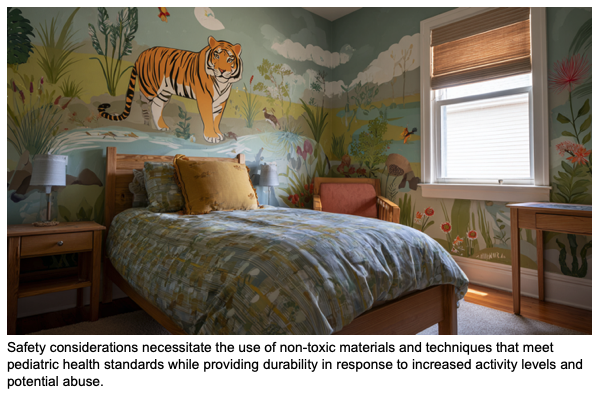
Educational mural themes support learning and cognitive development through visual engagement with academic subjects, natural history, or cultural content. Educational elements can be subtly integrated into visually appealing compositions that stimulate curiosity.
Age-appropriate designs evolve with growing children through artistic approaches that remain relevant across developmental stages. Themes and execution techniques should avoid infantile treatment that children quickly outgrow.
Teen and Young Adult Expression Spaces
Identity exploration through personalized themes supports adolescent development needs for individual expression within family home environments. Artistic approaches should accommodate changing preferences while maintaining family aesthetic standards.
Modern and contemporary approaches reflect current cultural interests and aesthetic preferences while avoiding trend-dependent elements that quickly become dated.
Flexibility for changing preferences accommodates rapid evolution in teenage interests and identity development without requiring complete room renovation.
Design Themes and Artistic Approaches
Theme selection influences long-term satisfaction and environmental effectiveness through its psychological impact, visual coherence, and personal meaning, which enhance daily living experiences.
Nature-Inspired Sanctuaries
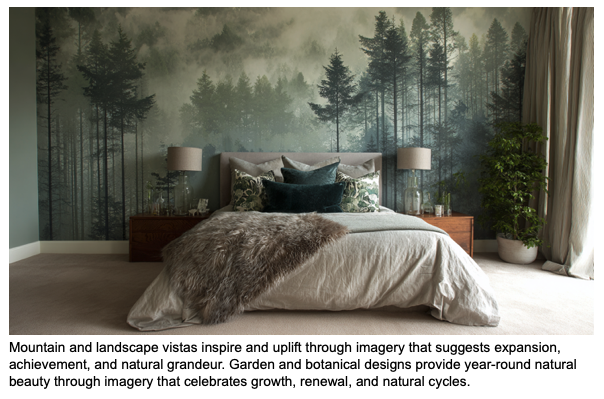
Forest and woodland themes connect occupants with natural tranquility through imagery that references peaceful outdoor environments. Tree canopies, forest floors, woodland wildlife, and seasonal variations create environments that suggest escape from urban pressures.
Ocean and water features promote calming and meditative effects through imagery that suggests movement, depth, and natural rhythm. Wave patterns, underwater scenes, coastal landscapes, or abstract water interpretations create soothing environments.
Abstract and Contemporary Expressions
Color field applications cater to modern and minimalist preferences by utilizing large areas of pure color, which influence mood and spatial perception without the distraction of representational elements. Contemporary color theory guides palette selection that supports specific emotional goals.
Geometric patterns complement contemporary bedroom design through mathematical relationships and visual rhythm, creating sophisticated environments that do not overwhelm intimate space requirements.
Texture-focused treatments add visual interest without compositional complexity through varied paint application techniques that create surface variation and light interaction.
Cultural and Travel-Inspired Themes
Destination memories transform travel experiences into enduring artistic expressions, offering ongoing pleasure and emotional connection to cherished places. Architectural landmarks, landscape features, or cultural elements from favorite destinations can create a personal environment.
Cultural heritage celebration through traditional artistic elements honors family background while supporting individual identity development. Historical patterns, traditional colors, or cultural symbols can be integrated into contemporary artistic approaches.
World art traditions adapted for personal bedroom environments provide cultural enrichment through exposure to diverse artistic approaches and aesthetic philosophies.
Romantic and Intimate Artistic Concepts
Soft and flowing designs enhance romantic atmosphere through gentle curves, gradual color transitions, and organic forms that suggest grace and elegance. Romantic themes require sophisticated execution that avoids clichéd imagery.
Sunset and sunrise themes provide natural beauty and optimism through imagery that suggests renewal, hope, and natural cycles. Classical and timeless artistic references ensure enduring appeal through connection with established artistic traditions.
Personal couple themes celebrate relationship milestones through customized imagery that honors shared experiences while maintaining a balance of privacy and aesthetic sophistication.
Technical Considerations for Bedroom Murals
Bedroom environments present unique technical challenges that require specialized approaches to achieve optimal artistic results while maintaining healthy, comfortable living conditions.
Surface Preparation and Environmental Factors
Wall condition assessment determines preparation requirements for optimal paint adhesion and long-term performance. Bedroom walls may have different surface conditions than public areas due to varying traffic patterns and humidity levels.
Moisture control and ventilation considerations ensure healthy indoor air quality during and after mural completion. Temperature stability requirements impact paint curing and longevity by maintaining consistent environmental conditions.
Dust and debris management during painting protects bedding and personal belongings while maintaining work quality standards. Bedroom projects require enhanced protection procedures and cleanup protocols.
Paint Selection and Health Considerations
Low-VOC and zero-VOC formulations ensure healthy indoor air quality by reducing chemical emissions that may affect sleep quality or respiratory health. Bedroom environments require premium materials that prioritize occupant health.
Hypoallergenic materials accommodate sensitive individuals and children by carefully selecting paints and primers that minimize allergic reactions and respiratory irritation.
Durability requirements balance long-term performance with health considerations through materials that provide excellent coverage and color retention while meeting safety standards.
Lighting Integration and Visual Effects
Natural light coordination considers seasonal lighting changes and daily sun patterns that impact color appearance and visual comfort throughout the annual cycle. Window orientation and seasonal sun angles influence color selection.
Artificial lighting interaction with mural colors requires an understanding of different light sources and their effects on color perception. Accent lighting possibilities highlight artistic features through strategic illumination, accentuating their beauty.
Dimming compatibility accommodates various bedroom activities and moods through lighting systems that adjust intensity levels for different functions, including sleep preparation, reading, or intimate conversations.
Planning and Design Development Process
Successful bedroom mural projects require thorough planning and clear communication between homeowners and professional artists to achieve aesthetically satisfying results that meet both functional requirements and personal preferences.
Initial Consultation and Vision Development
Lifestyle analysis and personal preference assessment establish a foundation understanding of occupant needs, aesthetic preferences, and functional requirements that guide artistic approach and theme selection.
Existing décor integration and color scheme coordination ensure mural artwork enhances rather than conflicts with established furnishings, architectural features, and decorative elements.
Budget planning and establishing realistic expectations align project scope with financial resources, ensuring satisfactory artistic results. Timeline development coordinates project phases with household routines to ensure seamless integration.
Design Concept Creation and Refinement
Sketch development and preliminary design presentation enable visual communication of artistic concepts and facilitate collaborative refinement processes. Color palette selection and mood board creation provide concrete examples of proposed artistic direction.
Style refinement through collaborative feedback ensures final designs meet homeowner expectations while maintaining artistic integrity and professional standards. Final design approval establishes a clear understanding of artistic scope before project commencement.
Professional Artist Selection and Collaboration
Portfolio evaluation and style compatibility assessment ensure that the selected artists possess the appropriate technical skills and aesthetic sensibilities necessary for successful bedroom mural execution.
Experience verification with bedroom-specific projects provides confidence in the artist's ability to meet intimate space requirements successfully. Practical communication skills evaluation ensures positive working relationships throughout the project's duration.
Contract negotiation and project scope definition establish a clear understanding of responsibilities, timeline, materials, and payment schedules that protect both parties.
Installation Process and Project Management
Bedroom mural installation requires specialized project management approaches that balance artistic quality requirements with household privacy needs and daily routine maintenance.
Pre-Installation Preparation
Room clearing and furniture protection procedures ensure the quality of artwork while preventing damage to personal belongings and valuable furnishings. Surface preparation and primer application coordinate with household routines.
Material delivery and storage organization ensure project supplies remain secure while minimizing household disruption. Timeline coordination ensures that work schedules, sleep requirements, and family activities are accommodated.
Daily Work Management and Household Coordination
Dust control and air quality maintenance protect occupant health while ensuring artistic quality standards. Noise management accommodates family rest requirements and ensures privacy needs are met.
Progress monitoring ensures adherence to timelines and maintains artistic standards, ultimately promoting client satisfaction. Daily cleanup procedures maintain household cleanliness while protecting artistic work in progress.
Completion and Final Integration
Final inspection and touch-up procedures ensure that artistic quality standards are met while addressing any minor imperfections or client concerns. Protective coating application provides long-term protection for artwork.
Furniture replacement and room reorganization restore bedroom functionality while optimizing artistic appreciation. Care instruction provision enables the long-term preservation of artwork through proper maintenance procedures.
Maintenance and Longevity for Bedroom Murals
Proper maintenance ensures that bedroom mural investments retain their beauty and value throughout extended service periods, while supporting healthy and comfortable bedroom environments.
Routine Care and Cleaning Procedures
Gentle cleaning methods preserve artistic beauty while ensuring healthy indoor air quality by removing dust, allergens, and environmental contaminants. Dust prevention and regular maintenance reduce cleaning requirements, extending the life of the artwork.
Humidity control and ventilation management help preserve mural longevity by mitigating environmental conditions that can cause moisture damage. Seasonal care adjustments accommodate the changing ecological conditions that occur throughout annual cycles.
Damage Prevention and Protection Strategies
Furniture placement considerations prevent wall damage through strategic positioning that avoids contact between furnishings and artistic surfaces. Child and pet protection strategies accommodate family lifestyle requirements while preserving artwork integrity.
Sunlight protection and UV damage prevention preserve color integrity through window treatments or protective coatings. Professional inspection and maintenance service scheduling help ensure the early detection of potential problems.
Long-term Preservation and Updates
Color refresh possibilities enable artwork updates that extend relevance and appeal without complete replacement expenses. Style adaptation accommodates changing preferences and life stages through artistic modifications.
Professional restoration services provide long-term investment protection through expert preservation and repair capabilities. Documentation and insurance valuation safeguard artistic investments through accurate records and professional appraisals.