
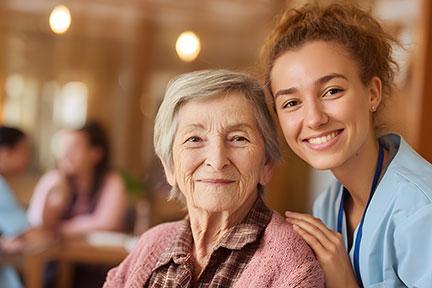
Belonging to a memory care community ensures individuals never face aging in isolation. This simple truth goes way beyond fancy care facilities—it's about how all of us age, whether we're still in our own homes, living with family, or anywhere else.
Here's something that might surprise you: getting older doesn't make us need people less. We actually need meaningful connections more than ever.
Yet somehow, our culture has bought into this myth that aging means slowly disappearing from the world around us. That's complete nonsense.
Loneliness Is Killing Us
Nearly 14 million Americans over 65 live alone, and almost half say they feel chronically lonely. Isolation isn't just about living by yourself—you can feel alone even in a room full of people.
As we age, retirement, losing loved ones, and limited mobility can all lead to isolation. The health risks are severe: chronic loneliness is compared to smoking 15 cigarettes a day, raises heart disease risk by 29%, stroke by 32%, and makes dementia 50% more likely.
The mental toll is just as heavy, with higher rates of depression and anxiety. In a memory care setting, seniors are supported with daily engagement, structured activities, and compassionate care that help counter isolation and restore a sense of belonging.
Connection Is Medicine
But here's the flip side—when you're plugged into a supportive community, amazing things happen in your body. You start pumping out oxytocin, which dials down stress hormones. Your blood pressure drops. Your heart beats steadier. Your immune system perks up.
Your brain gets the biggest boost. Every conversation, every shared laugh, every time you help someone or they help you—that's all premium brain exercise. You're constantly processing, remembering, learning, connecting dots.
Scientists have tracked thousands of older adults for years and found something remarkable: people with strong social ties have much lower rates of dementia and mental decline. Social connection literally builds up your brain's defenses against aging.
What Real Community Looks Like
Not every social interaction counts the same way. The communities that actually keep people healthy share a few key things. First, people understand what you're going through. When everyone's dealing with Medicare confusion, creaky joints, or figuring out what retirement actually means, you don't have to explain yourself. Someone always gets it.
Real community also means people have your back in practical ways. Your neighbor notices when you haven't picked up your mail. Someone can drive you to the doctor when your car's in the shop. These aren't huge gestures, but they're the difference between managing independently and struggling alone.
Regular gatherings matter too. Maybe it's poker night, a walking group, or just coffee with the same bunch every Tuesday. Having something on your calendar that you actually look forward to changes everything.
Community Comes in All Shapes
Senior living places get a lot of attention, and for good reason. They're designed to make connecting easy—shared meals, activities, people your age, dealing with similar stuff. But that's just one option.
Your local senior center probably offers more than you realize. Classes, trips, volunteer opportunities, even just a place to grab lunch with other people. Faith communities are natural social networks if that's your thing. Volunteer work lets you contribute something meaningful while meeting people who care about the same causes.
Don't overlook the simple stuff either. Neighborhood groups, hobby clubs, and even online communities can provide real connections. The secret ingredient is showing up regularly and actually engaging with people, not just being in the same room.
Getting Started When It Feels Hard
If you've been isolated for a while or you're naturally shy, diving into a big social scene can feel overwhelming. Start small. Find activities built around something you already enjoy—gardening, crafts, gentle exercise, reading. When you're focused on a shared interest, conversation happens naturally.
Family members want to help, but there's a fine line between encouraging and pushing. Sometimes the best thing you can do is offer to drive someone to an activity or help them research what's available. Respect their pace.
Many communities have programs specifically designed to reach isolated seniors. Libraries, community centers, and even hospitals often coordinate outreach efforts. They understand that some people need a gentle nudge to get reconnected.
When Things Get in the Way
Transportation tops the list of barriers. If you can't drive or don't have a car, getting to activities becomes a real challenge. More communities are figuring this out with volunteer driver programs, ride services for seniors, or bringing activities directly to people's homes.
Money concerns are real, too. But before you write something off as too expensive, ask about sliding scale fees or scholarships. Many programs would rather have you participate at reduced cost than not at all.
Health problems require creativity, not giving up. Most activities can be adapted for different abilities. Technology is opening new doors for people who can't always get out physically but still want a meaningful connection.
Everyone Wins
When older adults have strong community ties, the benefits ripple out everywhere. People live longer, stay healthier, and keep their independence longer. They report being happier and continue growing and learning into their 80s and 90s.
Families get huge relief knowing their loved one has a support network. It takes pressure off adult children to be everything to their aging parents, which actually improves family relationships.
The Bottom Line
We're social animals from cradle to grave. Community isn't a nice-to-have for aging adults—it's essential medicine. Maybe that's a formal memory care setting, maybe it's the gang at the local diner, maybe it's three friends who text each other every morning. The exact form doesn't matter nearly as much as having people who matter to you and knowing you matter to them.
If someone you love is aging, treat their social connections as seriously as their medical care. If you're facing your own later years, invest in relationships and community now. They'll be your lifeline when you need them most.
Getting older doesn't mean your world has to shrink. With the right people around you, it can expand in ways you never imagined.