
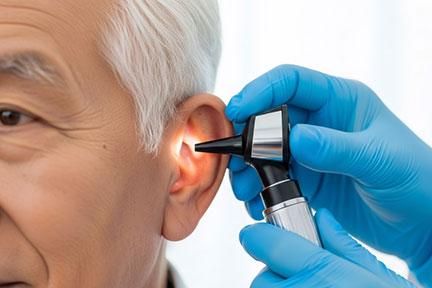
London has no shortage of places offering earwax removal and “ear cleaning,” but the quality behind those services varies more than most people realise. Your ears are delicate; a poorly performed procedure can leave you with pain, infection, perforated eardrums, or lingering hearing issues. So how do you separate a truly professional ear care provider from a quick, convenient option that cuts corners?
Whether you’re dealing with blocked ears, recurring wax build-up, hearing aid-related wax problems, or you simply want reassurance that nothing more serious is going on, it pays to be selective. And if you’re comparing clinics, it’s worth looking for providers that clearly explain their clinical approach and governance—resources like VIP Hearing Clinic can be useful as a reference point for the kinds of services, safety standards, and patient information you should expect to see presented transparently.
Below are the practical markers that matter most when choosing a professional ear care provider in London.
Check the Clinician’s Qualifications (Not Just the Clinic’s Branding)
The first question is deceptively simple: Who will actually be looking in your ear? In the UK, earwax removal is performed by a range of professionals, including audiologists, nurses, and sometimes hearing aid dispensers with additional training. That can be fine—but you want clarity.
What to look for
A reputable provider should be upfront about:
- The clinician’s professional background (e.g., audiologist, registered nurse, GP with a special interest)
- Relevant registrations (HCPC for many audiologists, NMC for nurses, GMC for doctors)
- Specific training in ear examination and wax removal techniques (not just “years of experience”)
If a clinic won’t say who performs the procedure, or hides behind vague titles like “ear technician,” consider that a red flag.
Prioritise Proper Assessment Before Any Wax Removal
A professional appointment shouldn’t start with “let’s remove it.” It should start with assessment. That means taking a history and examining the ear canal and eardrum with appropriate magnification and lighting.
Why this matters
Symptoms that feel like wax blockage—muffled hearing, fullness, tinnitus, itch—can also be linked to:
- Middle ear infection or fluid
- Perforated eardrum
- Otitis externa (inflammation/infection of the ear canal)
- Foreign bodies
- Skin conditions such as eczema or psoriasis in the canal
If an assessment isn’t done carefully, removal can be unsafe or simply the wrong solution.
Understand Their Method: Microsuction vs Irrigation vs Manual Removal
In London, microsuction is often marketed as the modern gold standard, and in many situations it’s a strong option—particularly because it allows direct visual guidance. But the “best” method still depends on your ear health, wax type, and history (e.g., previous perforations).
A good provider will explain:
- Which method they recommend for you and why
- Any limitations (for example, very hard, impacted wax may require softening first)
- Sensations you might experience (noise, brief dizziness, cough reflex)
- When they would not proceed (pain, active infection, uncertain eardrum status)
Be cautious of absolute claims like “microsuction is always painless” or “we can remove any wax in minutes.” Clinical care doesn’t talk in guarantees.
Look for Strong Infection Control and Clinical Governance
In a busy city, clinics can feel polished and efficient—yet hygiene and governance are what protect you when things don’t go perfectly.
Hygiene cues that matter
Pay attention to whether the provider:
- Uses single-use tips where appropriate
- Cleans equipment between patients (and can explain how)
- Wears appropriate PPE when clinically indicated
- Has a clear consent process and documents what was done
If the setting feels more like a beauty treatment room than a clinical environment, ask yourself whether the same level of cross-infection control is being applied.
Pay Attention to How They Handle Risk, Discomfort, and “Stop” Signals
Ear care isn’t supposed to be a battle of endurance. A professional will take discomfort seriously and build in pauses.
What good practice sounds like
You should hear language like:
- “Tell me immediately if you feel sharp pain.”
- “We can stop and reassess at any point.”
- “If I can’t see clearly, I won’t proceed.”
This matters because pushing through pain can cause abrasions, bleeding, and swelling—making the problem worse and sometimes preventing further safe removal that day.
Consider Follow-Up Pathways (Because Not Everything Is Wax)
An excellent ear care provider knows the limits of a wax-removal appointment. If your hearing is still reduced after clearance—or if wax wasn’t the main issue—what happens next?
Signs of a well-connected service
Look for:
- Clear referral advice (GP, ENT, urgent care) when warning signs appear
- Access to hearing assessments (or signposting to audiology) when appropriate
- Aftercare guidance for preventing recurrence, especially if you’re prone to build-up
A provider who treats every symptom as “just wax” isn’t practising cautious, patient-centred care.
Transparency on Pricing, Timing, and What’s Included
London pricing varies widely. What you want is not necessarily the cheapest option, but the clearest one. A professional clinic will tell you exactly what the fee covers and what happens if wax can’t be removed in one sitting.
Here are smart questions to ask before booking:
- Do you charge per ear or per appointment?
- Is a re-attempt included if wax is too impacted?
- Will you examine both ears even if only one feels blocked?
- What method will you use, and is that included in the price?
- Do you provide a written summary or aftercare advice?
(That’s your one “bullet list”—use it as a quick phone script.)
Spot the Red Flags Early
Some warning signs are subtle, but they’re worth trusting. Be cautious if you see:
- Overpromising (“instant results for everyone”)
- No mention of clinician credentials
- No discussion of contraindications (e.g., perforations, grommets, infections)
- Pressure to add unrelated purchases during a clinical visit
- Poor explanations when you ask basic safety questions
Professional providers don’t mind being challenged; they expect informed patients.
The Bottom Line: Choose Clinical Rigor Over Convenience
In a city as busy as London, it’s tempting to book the first available slot and hope for the best. But ear care is one of those areas where professionalism shows up in the small details: careful assessment, appropriate technique, clean processes, honest communication, and clear next steps if wax isn’t the whole story.
If you focus on those fundamentals, you’ll not only improve your chances of quick relief—you’ll also protect your hearing long term, which is the point of the appointment in the first place.