
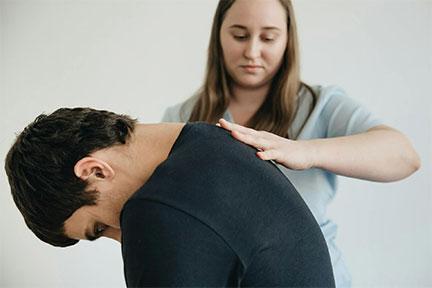
If you’re exploring non-surgical myelopathy treatment in New Jersey, you’ll find a variety of approaches that might just be what you need. From tailored physical therapy programs to holistic chiropractic care and acupuncture, these methods aim to relieve symptoms and improve your quality of life. Curious about how these treatments can address the root causes of myelopathy and support your recovery journey? There’s more to discover that could change your perspective.
Understanding Myelopathy and Its Impact
When you’re trying to comprehend myelopathy, it’s important to recognize how this condition affects the spinal cord, leading to a range of neurological issues. Myelopathy occurs when there’s compression on your spinal cord, often due to degenerative changes, trauma, or other underlying health problems. This can result in symptoms like numbness, weakness, coordination difficulties, and even bowel or bladder dysfunction.
You’ll notice that myelopathy can make daily activities challenging, impacting your quality of life considerably. It’s pivotal to identify symptoms early, as prompt intervention can prevent further deterioration. Understanding the root cause of your myelopathy helps in tailoring an effective treatment plan. Educating yourself about this condition guarantees you’re better equipped to manage its impact on your life effectively.
The Growing Interest in Non-Surgical Options
A significant number of individuals with myelopathy are increasingly exploring non-surgical treatment options. You’re probably considering these alternatives to avoid the risks and recovery time associated with surgery. In New Jersey, there’s a growing trend towards treatments that offer relief without the need for invasive procedures. Here’s why you might want to explore these options:
- Reduced Risk: Non-surgical treatments often come with fewer complications compared to surgery.
- Faster Recovery: They usually require less downtime, allowing you to return to your daily routine quicker.
- Cost-Effective: These options can be more affordable, saving you money on hospital stays and surgical fees.
- Holistic Approach: Treatments often focus on overall health, not just symptoms, promoting long-term well-being.
Consider these benefits when weighing your options.
Physical Therapy: Customized Exercise Plans
When dealing with myelopathy, customized exercise plans are essential to your recovery. These personalized rehabilitation strategies focus on strengthening and mobility exercises tailored to your specific needs. By targeting the right areas, you’re more likely to see improvements in your condition without surgical intervention.
Personalized Rehabilitation Strategies
Although myelopathy can present significant challenges, personalized rehabilitation strategies—particularly customized exercise plans in physical therapy—offer a targeted approach to recovery. By tailoring exercises to your specific needs and limitations, you can enhance your quality of life and regain lost function.
- Assessment and Goals: Your therapist evaluates your condition and sets achievable goals.
- Tailored Exercises: Customized movements focus on your unique strengths and weaknesses.
- Progress Monitoring: Regular assessments guarantee your plan evolves with your progress.
- Lifestyle Integration: Incorporating exercises into daily routines enhances consistency.
Strengthening and Mobility Exercises
Building on personalized rehabilitation strategies, focusing on strengthening and mobility exercises can greatly impact your recovery journey. These exercises are tailored to your specific needs, helping improve muscle strength, flexibility, and balance. By engaging in consistent physical therapy, you’ll enhance your ability to move more freely, reducing discomfort and preventing further injury.
Your customized exercise plan may include activities like stretching, resistance training, and balance exercises. Each component is designed to target the areas most affected by myelopathy, helping you regain control and function. It’s important to follow your therapist’s guidance, as they’ll adjust your plan based on your progress. Remember, consistency is key. As you commit to these exercises, you’ll likely notice substantial improvements in your overall mobility and quality of life.
Chiropractic Care: Realigning the Spine
Chiropractic care offers a hands-on approach to realigning your spine through specific spinal adjustment techniques. By targeting these adjustments, you can alleviate nerve pressure, which often leads to pain relief. This natural method can enhance your mobility, making everyday movements smoother and more comfortable.
Spinal Adjustment Techniques
When seeking relief from myelopathy symptoms, many individuals turn to spinal adjustment techniques as a non-surgical option. These techniques, often performed by chiropractors, aim to realign the spine and enhance overall mobility. By focusing on the spine’s proper alignment, you may experience a reduction in pain and improved function. Chiropractors use their hands or specialized tools to apply controlled force to specific spinal joints.
- Initial Assessment: You’ll undergo a thorough evaluation to identify misalignments.
- Adjustment Session: The chiropractor uses precise movements to realign spinal segments.
- Personalized Plan: Treatment plans are customized based on your condition.
- Follow-Up Care: Regular adjustments may be recommended for ideal results.
Exploring spinal adjustments could be your path to relief.
Alleviating Nerve Pressure
Although myelopathy can be a challenging condition, addressing nerve pressure through chiropractic care offers a promising non-surgical solution. When dealing with myelopathy, you might find that your spine has misalignments affecting nerve pathways. Chiropractors focus on realigning your spine to relieve this pressure, which can help reduce pain and improve function. By using specific adjustment techniques, they aim to correct these misalignments, providing relief without the need for surgery.
Your chiropractor will assess your spine’s alignment and determine the best approach to address nerve compression. Regular sessions can gradually improve your spine’s alignment, allowing nerves to function more effectively. This approach not only targets pain but also focuses on enhancing your overall well-being, providing a holistic path to managing myelopathy.
Enhancing Mobility Naturally
While alleviating nerve pressure is a key step in managing myelopathy, enhancing mobility naturally is equally important. Chiropractic care offers a non-invasive way to realign your spine and improve mobility. By focusing on spinal adjustments, chiropractors help reduce pain and increase your range of motion. Here’s how chiropractic care can enhance your mobility:
- Spinal Realignment: Corrects misalignments, reducing nerve interference and promoting better movement.
- Pain Reduction: Decreases inflammation and muscle tension, allowing for more fluid motion.
- Increased Flexibility: Regular adjustments can enhance flexibility, making daily tasks easier.
- Improved Posture: Proper alignment supports healthier posture, preventing further complications.
Don’t underestimate the power of natural methods to regain your mobility and improve your quality of life.
Acupuncture: Traditional Techniques for Modern Relief
Acupuncture, though rooted in ancient traditions, offers a modern approach to relieving the symptoms of myelopathy without surgery. If you’re in New Jersey and considering non-surgical options, acupuncture might be worth exploring. This technique involves inserting thin needles into specific points on your body to stimulate nerves, muscles, and connective tissues, which can improve blood flow and trigger your body’s natural painkillers. You’re not just treating pain; you’re addressing the underlying imbalances causing your discomfort.
Dietary Modifications: Nutrition for Nerve Health
After exploring acupuncture, it’s time to examine another essential aspect of non-surgical myelopathy treatment: dietary modifications. What you eat can drastically affect nerve health, helping manage and potentially alleviate symptoms.
- Increase Omega-3 Fatty Acids: Found in fish like salmon and flaxseeds, they can help reduce inflammation and support nerve repair.
- Boost Antioxidant Intake: Foods rich in antioxidants, such as berries and leafy greens, combat oxidative stress on nerves.
- Vitamin B12-Rich Foods: Essential for nerve function, sources include eggs, dairy, and fortified cereals.
- Limit Processed Foods: These can increase inflammation, so focus on whole, natural foods to promote nerve health.
Innovative Therapies Gaining Traction
How are innovative therapies reshaping the landscape of myelopathy treatment? You’re probably curious about the latest advancements making waves in New Jersey. Cutting-edge approaches like regenerative medicine, including stem cell therapy, are offering new hope. These therapies focus on repairing damaged tissues, potentially reversing some effects of myelopathy.
Another exciting development is the use of transcranial magnetic stimulation (TMS). TMS is non-invasive and aims to improve nerve function by stimulating the brain’s neural pathways. Additionally, adaptive physical therapy employs technology-driven exercises tailored to individual needs, enhancing mobility and reducing pain.
Patient Experiences and Success Stories
Many patients in New Jersey have shared inspiring stories of triumph over myelopathy, thanks to innovative non-surgical treatments. You might find hope in hearing how others have reclaimed their lives. Here’s what some have experienced:
- Pain Relief: Many patients report a significant reduction in neck and back pain after pursuing non-surgical options.
- Improved Mobility: Individuals often regain the ability to perform daily activities, something they once thought impossible.
- Shorter Recovery Time: Non-surgical treatments tend to have quicker recovery periods, allowing you to return to your routine faster.
- Enhanced Quality of Life: Patients frequently mention increased energy and improved mental well-being.
These stories highlight the potential of non-surgical interventions—proving you don’t always need surgery to see meaningful improvements.
Finding the Right Treatment in New Jersey
When seeking the right non-surgical treatment for myelopathy in New Jersey, where should you begin? Start by researching specialized clinics and practitioners with experience in treating myelopathy. Look for providers with positive reviews and credentials that demonstrate expertise in non-surgical approaches.
Consult with your primary healthcare provider for recommendations tailored to your specific needs. They can offer valuable insights into reputable specialists or facilities. Don’t forget to ask about the treatment methods they use—physical therapy, chiropractic care, or acupuncture might be options.
Schedule consultations with potential specialists to discuss your condition and treatment plan. During these meetings, confirm the provider listens to your concerns and explains their approach clearly. Trust your instincts—choosing a practitioner you feel comfortable with is indispensable.
Frequently Asked Questions
What Is the Success Rate of Non-Surgical Myelopathy Treatments?
You might wonder about the success rate of non-surgical myelopathy treatments. It varies based on factors like the severity of your condition and treatment type. Generally, patients experience improvement, but results aren’t guaranteed for everyone. Consult your specialist.
Are There Any Risks Associated With Non-Surgical Treatments for Myelopathy?
You’re probably wondering about non-surgical myelopathy treatments. While they’re generally safer than surgery, risks like worsening symptoms, ineffective outcomes, or side effects from medications still exist. Always discuss potential risks and benefits with your healthcare provider.
How Long Does It Typically Take to See Improvement With Non-Surgical Treatments?
You might notice improvements within a few weeks, but it varies for everyone. Patience is key. Regular follow-ups with your healthcare provider are pivotal to monitor progress and adjust treatments to guarantee the best possible outcomes.
Are Non-Surgical Treatments Covered by Insurance in New Jersey?
You’re probably wondering if insurance covers non-surgical treatments. Generally, in New Jersey, many insurance plans do, but it’s essential to check your specific policy details and confirm coverage with your provider to avoid surprises.
Can Non-Surgical Treatments Completely Cure Myelopathy?
Non-surgical treatments can help manage myelopathy symptoms, but they typically don’t offer a complete cure. You’ll likely see improvements in pain and mobility, but the underlying condition may still require ongoing management or surgical intervention.