
Quick Answer
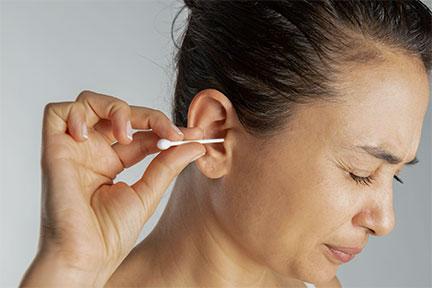
Earwax is a natural, protective substance that usually clears on its own without intervention. Inserting objects like cotton swabs can push wax deeper, increasing the risk of impaction, discomfort, or hearing changes. Symptoms such as muffled hearing, ringing, or ear fullness may signal a blockage, but they’re not always caused by wax. Most people don’t need routine cleaning - especially if they use hearing aids, earplugs, or are over 60. When removal is necessary, professional methods like microsuction or gentle irrigation are safest. Avoid candles, syringes, or vacuum devices - they offer no proven benefit and carry real risk. Let your ears manage themselves unless they signal a problem.
Introduction
For generations, we’ve been told to reach for a cotton swab whenever our ears feel full or itchy. But what if the very thing we do to clean them is actually making things worse? The truth is, earwax isn’t a sign of poor hygiene - it’s a vital part of your ear’s defense system.
Over time, outdated advice and misleading marketing have created a host of earwax myths that lead to unnecessary risk. Many people don’t realize that what feels like a simple blockage might be better addressed through proper cerumen management than a quick DIY fix. That’s why understanding safe ear care starts with unlearning old habits and trusting your body’s natural process.
For those experiencing persistent symptoms or using hearing devices regularly, seeking guidance from trained professionals or turning to Toronto ear wax removal can make all the difference in restoring clarity without harm.
The Truth About Earwax: Myth vs Reality
There’s a lot of confusion around earwax - what it is, what it does, and how to handle it. Much of what people believe comes from outdated advice or marketing gimmicks. Let’s cut through the noise with facts backed by audiology professionals.
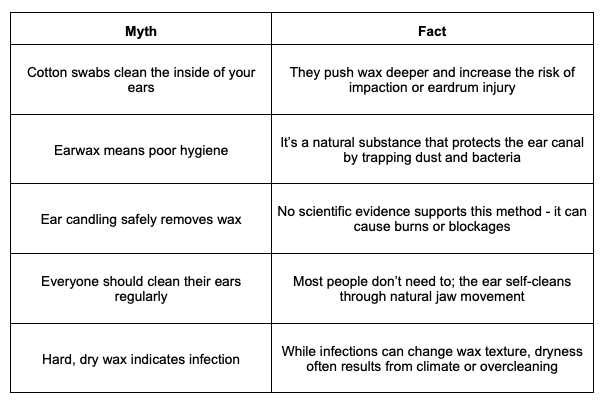
Earwax plays a crucial role in maintaining ear health. It lubricates the canal, prevents dryness, and has antimicrobial properties. Problems arise not from the presence of wax, but from interference - like inserting objects that disrupt its natural migration outward.
Some individuals are more prone to buildup due to narrow ear canals, frequent use of hearing aids or headphones, or simply producing more wax naturally. In these cases, professional assessment becomes important - not as a routine, but when symptoms like muffled hearing, tinnitus, or discomfort appear.
Safe and Effective Ear Cleaning Methods
When earwax becomes impacted - whether due to narrow canals, frequent use of hearing aids, or natural overproduction - the safest path forward isn’t a home remedy, but professional intervention. The goal isn’t to eliminate wax, but to restore normal function when it interferes with comfort or hearing clarity.
Microsuction
This method uses a small medical suction device guided by magnification (such as a headlamp or microscope) to gently remove blockages. It’s dry, precise, and ideal for those with sensitive ears, previous ear surgeries, or perforated eardrums. Because no water is involved, there’s no risk of infection from moisture, making it one of the most trusted techniques in clinical settings.
Curettage (Mechanical Removal)
A trained clinician uses a thin, curved instrument called a curette to carefully extract softened or hardened wax. Before beginning, they inspect the ear canal with an otoscope to assess the depth and consistency of the buildup. If the wax is particularly hard, a softening agent may be applied first. This technique requires expertise and steady hands - but when performed correctly, it’s quick and painless.
Irrigation
Also known as ear syringing, this process involves flushing the ear canal with warm, low-pressure water after pre-treating with softening drops. It works well for softer accumulations but isn't suitable for everyone - especially individuals with a history of ear infections or eardrum issues. The key is gentle pressure; high-force irrigation can cause discomfort or injury.
Each approach has its strengths. A qualified practitioner will choose the best method based on your anatomy, symptoms, and health history. No single technique fits all cases - and that’s why self-treatment often falls short.
Avoid over-the-counter kits, ear vacuums, or bulb syringes sold online. These lack proper controls and visibility, increasing the risk of damage. Even “natural” solutions like ear candling have been debunked and are not supported by any credible health authority.
How to Prevent Excessive Buildup in Daily Life 
You don’t need to clean your ears like you clean your teeth - your body already has a system for that. But certain habits and environments can interfere with the ear’s natural ability to clear wax, leading to earwax buildup over time.
Some people are more prone to blockages due to narrow ear canals, frequent use of in-ear devices, or simply producing more wax naturally. Others may unknowingly make things worse by using cotton swabs, which push wax deeper instead of removing it. The key is not constant cleaning, but smart prevention.
Practical Ear Cleaning Tips
- Wipe only the outer ear – Use a damp cloth after showering. Never insert anything into the ear canal.
- Clean hearing aids and earplugs regularly – Wax accumulates on surfaces and can be pushed back in with each use. A quick daily wipe helps prevent transfer.
- Use softening drops sparingly – A few drops of mineral or olive oil once or twice a week can help keep wax from hardening, especially in dry climates.
- Limit continuous use of in-ear headphones – Prolonged wear traps moisture and restricts natural wax migration. Give your ears breaks throughout the day.
- Avoid cotton swabs completely – They disrupt the ear’s self-cleaning mechanism and increase impaction risk.
If you rely on hearing aids, even mild buildup can affect sound quality and comfort. A noticeable drop in performance - like feedback or muffled speech - is often the first sign. Instead of guessing, a professional check-up every 6 to 12 months can catch issues early.
Final Thoughts: Your Ears Deserve Smart Care
Your ears are designed to take care of themselves. Earwax - medically known as cerumen - isn’t waste; it’s a protective barrier that traps dust, repels water, and guards against infection. The idea that ears need regular cleaning is one of the most persistent earwax myths, yet letting nature do its job is almost always the best approach.
Problems arise when we interfere. Inserting cotton swabs, using unproven gadgets, or attempting ear candling disrupts the ear’s self-cleaning mechanism and can lead to impaction, discomfort, or even temporary hearing loss. Safe ear care means knowing when to step back - and when to seek help from a trained professional.