
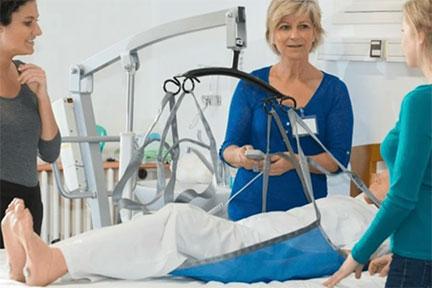
For many older adults and their caregivers, daily mobility and safe transfers can be among the greatest challenges of aging. Whether moving from bed to chair, or navigating routine personal care, the risk of falls and physical strain is real. Fortunately, modern patient lift solutions offer safer, more dignified ways to assist with mobility—improving both quality of life and peace of mind.
The Role of Hoyer Lifts
One of the most recognized options is the Hoyer lift for sale, a mechanical or powered device that supports lifting and transferring individuals with limited mobility. These lifts reduce the physical burden on caregivers, lowering the chance of injuries while providing seniors with smoother, more comfortable transitions. They are especially valuable in long-term care or home environments where transfers occur multiple times per day.
Patient Lift Transfer Chairs: A New Level of Convenience
While traditional lifts use slings, newer innovations have introduced hybrid devices like the patient lift transfer chair. These chairs are designed to look and function like standard seating, but with built-in lifting mechanisms that make it possible to safely move a person between bed, bathroom, dining area, or even a vehicle. For seniors who want to preserve independence and avoid the intimidating look of a medical lift, this solution blends practicality with dignity.
Choosing the Right Patient Lift Sling
Equally important are the supports used during transfers. Patient lift slings come in different shapes, sizes, and materials, each suited for specific needs. A divided-leg sling, for example, offers easier toileting access, while full-body or bariatric slings provide greater support for individuals with reduced upper body control. Selecting the correct sling ensures comfort, stability, and safety—making it just as critical as the lift itself.
Key Considerations for Families and Caregivers
When exploring these options, caregivers should consider:
- Environment: Is space limited, requiring a compact solution?
- Frequency of transfers: Will multiple daily lifts call for a powered model?
- Patient needs: Does the senior prefer more independence, or require full support?
Consulting with a healthcare professional or mobility specialist can help identify the right combination of equipment for each unique situation.
Restoring Confidence and Care
At its core, patient lifting technology isn’t just about mechanics—it’s about restoring confidence, safety, and dignity in everyday life. By choosing the right lift or chair and pairing it with the appropriate sling, seniors and caregivers alike can create a safer, less stressful environment that supports independence and compassion.