
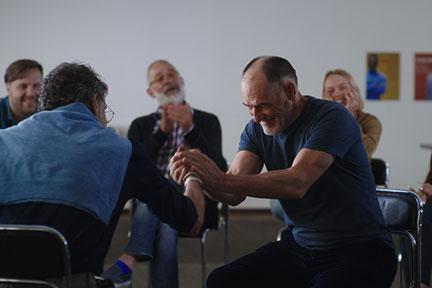
When most people think about addiction, they picture someone young, maybe in their 20s or 30s. But addiction doesn’t only affect younger adults. In fact, many seniors struggle with substance use, whether it’s related to alcohol, prescription medications, or other substances. And while it might feel like it’s “too late” to get help, the truth is this: recovery is always possible, at any age.
Addiction Doesn’t Retire
Getting older often brings major life changes: retirement, loss of loved ones, chronic pain, or a shift in routine. For some, these changes can lead to isolation, depression, or a reliance on substances just to get through the day.
Older adults are especially at risk for prescription drug misuse. Medications like opioids, sleeping aids, and anti-anxiety prescriptions are often prescribed for legitimate health reasons, but over time, they can become a crutch. And alcohol, while socially accepted, can quietly become a serious problem when it’s used to cope with emotional pain or boredom.
Because the signs of addiction in seniors can often resemble normal signs of aging, such as memory problems, fatigue, or mood changes, it’s easy for substance use to go unnoticed for far too long.
Breaking the Silence
Many older adults feel ashamed to admit they’re struggling. They may have grown up in a time when addiction was misunderstood and stigmatized. But here’s the truth: addiction is not a weakness, it’s a treatable medical condition.
No one should suffer in silence, and no one should ever feel they’ve missed their chance to recover.
Why Recovery Is Still Worth It
Some people wonder if there’s even a point to getting sober in their later years. The answer? Absolutely. Recovery can bring more peace, energy, and clarity, allowing seniors to reconnect with family, enjoy life more fully, and regain a sense of independence.
Benefits of recovery in older adults often include:
● Better physical health and fewer hospital visits
● Improved memory, mood, and mental sharpness
● Deeper connection with family and community
● A renewed sense of joy and purpose
Even small steps toward sobriety can have a major impact on overall well-being.
Support Tailored to Every Age
At Southeastern Recovery Center in Charlotte, NC, we understand that addiction doesn’t discriminate by age. That’s why we treat both younger adults and the older population, offering care that is sensitive to the unique challenges seniors face.
Whether someone is navigating chronic pain, loss, or late-in-life transitions, our team creates personalized treatment plans that support lasting recovery, both physically and emotionally. From therapy and medical detox to group support and holistic approaches, our care is compassionate, comprehensive, and age-aware.
Even better, Aetna insurance fully covers treatment at our facility, meaning financial concerns don’t have to stand in the way of getting the help you deserve.
How to Get Started
Recovery begins with one honest conversation. If you or a loved one is questioning whether substance use is becoming a problem, it’s okay to speak up. Reach out to your doctor, a counselor, or our admissions team. We’ll walk you through your options, every step of the way.
And remember, there’s no such thing as being too old to start over. As one of our older clients put it, “I thought I was just stuck in my ways, but I realized I still had a lot of life left to live—without depending on pills or alcohol.”
Addiction can happen at any stage of life, but so can recovery. At Southeastern Recovery Center, we believe that everyone deserves a second chance, no matter their age. If you’re ready to take that first step, we’re here to help you every step of the way through our drug and alcohol rehab program.