
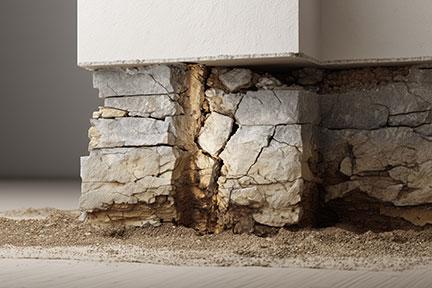
Uneven floors, slanted walls, or doors that swing open on their own signal deeper issues beyond cosmetic concerns. Foundation movement causes visible problems indicating structural shift requiring attention. Over time, shifting soil, erosion, and water intrusion cause houses to settle unevenly. The good news is proven solutions exist restoring both structure and peace of mind.
Understanding what causes unevenness, how experts diagnose root problems, and most effective repair methods enables informed decisions. Professional solutions like foundation repair in Highland Park, IL deliver lasting results addressing underlying causes rather than treating symptoms.
Uneven settling frustrates homeowners because problems seem to worsen gradually. Small slopes become more pronounced. Door sticking progresses to door jamming. Initial concern grows into genuine worry about structural integrity. That escalation pattern explains why early intervention prevents worse problems from developing. Addressing uneven settling early stops problems at manageable stage.
Professional assessment reveals whether problems are active or stable, progressive or dormant. That knowledge guides whether immediate repair becomes necessary or monitoring suffices. That distinction changes recommended approaches substantially.
Why Homes Begin to Settle Unevenly
Moisture imbalance creates uneven pressure under foundations. Soil on one side of foundation might stay wetter than other sides. That differential moisture creates differential soil expansion. One side expands more than other side. That differential expansion pushes foundation unevenly. Resulting settling varies across foundation creating slopes and warping.
Poor drainage concentrates water on specific foundation sides. Downspouts draining on one corner create wet spot. Grading sloping toward one foundation side concentrates water there. That localized water concentration creates localized soil softening. That soft spot settles more than better-drained areas. That differential settling causes visible slopes and warping.
Unstable soil under foundations fails unevenly. Clay soils behave differently than sandy soils. Soft clay settles more than firm clay. Fill soil over buried debris settles unevenly as debris decomposes. Understanding soil variability beneath foundations explains why settlements vary across foundation width. That variability understanding guides repair solutions addressing actual soil conditions.
Assessing the Extent of the Problem
Professionals use laser leveling and elevation mapping measuring shifts within fractions of inches. That precision measurement reveals settlement patterns invisible to casual observation. Measurements show which foundation areas settled most and which areas remain stable. That data guides foundation support placement and repair strategy.
Foundation crack analysis reveals whether settling is active or stable. Growing cracks indicate active settlement. Static cracks suggest settled conditions. Monitoring cracks over time reveals settlement rate. Fast settlement requires urgent intervention. Slow settlement might allow planning more carefully. That rate information guides urgency level.
Early detection prevents further cracking or misalignment. Small settlements detected early can be stabilized before reaching critical thresholds. Waiting until major problems develop makes repairs more invasive and expensive. That detection timing significantly impacts repair scope and cost.
Solutions That Restore Structural Balance
Helical piers lift and stabilize settled foundations by transferring load to stable soil deeper below problem areas. Those engineered screws literally support foundation weight reducing stress on settled soil. Wall anchors stabilize bowing walls preventing further warping. Grout injection fills voids under foundation restoring bearing. The right solution depends on soil type and building design.
Push piers provide alternative solution installing from inside basements. That interior installation minimizes disruption to landscaping. Push piers work effectively when soil conditions permit. Professional assessment determines which technology works best for specific situations.
Slab jacking raises concrete slabs restoring level surfaces. That technique works for portions of foundation settling differently from adjacent areas. Controlled lifting and leveling restores original heights. That precision restoration prevents doors and windows from becoming inoperable.
Preventing Future Movement
Proper grading ensures water flows away from foundation reducing saturated soil conditions. Consistent moisture control prevents wet/dry cycles that cause settlement. Routine inspections catch new problems before they escalate. Those preventive steps reduce risk of future movement.
Maintaining gutters and downspouts prevents water concentration around foundation. Regular cleaning prevents clogs causing water to overflow near foundations. Ensuring downspouts extend at least 4-6 feet from foundation prevents water pooling. That simple maintenance dramatically reduces future problems.
Annual inspections reveal trends early. Professional inspections document foundation conditions creating baseline for future comparison. That documentation reveals whether problems are stable, active, or progressive. That knowledge guides maintenance planning and repair scheduling.
Conclusion
Uneven floors represent more than nuisance, they're warning signs requiring attention. With early detection and professional foundation repair in Highland Park, IL, homeowners restore structural integrity and confidence in homes. That restoration provides peace of mind knowing foundation supports your home safely for decades. Early intervention prevents expensive emergency repairs becoming necessary later.
Professional solutions combining accurate diagnosis with appropriate repair technology deliver lasting stability. That stability allows homeowners to stop worrying about structural integrity and start enjoying their homes confidently. That peace of mind justifies investment in professional assessment and repairs.
Address uneven settling through professional foundation repair before problems worsen. That proactive approach protects your largest asset ensuring structural soundness and family safety for years ahead.