
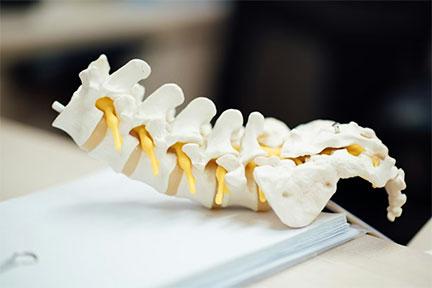
As people age, back and neck pain can become more frequent and disruptive, affecting mobility, sleep, and overall quality of life. Many older adults are unsure whether ongoing discomfort can be managed conservatively or whether it is time to consult an orthopedic spine surgeon for more advanced care. Understanding the difference between non-surgical and surgical spine treatments helps seniors make informed decisions that align with their health needs, lifestyle goals, and long term independence.
Understanding Non-Surgical Spine Treatments
Non-surgical spine treatments are often the first step when managing back or neck pain in older adults. These approaches focus on reducing inflammation, improving mobility, and strengthening supportive muscles without invasive procedures. For many seniors, conservative care provides meaningful relief and helps maintain daily function.
Physical therapy is one of the most commonly recommended non-surgical options for spine conditions. Targeted exercises can improve flexibility, posture, and core strength, which reduces strain on the spine over time. Therapy programs are often tailored to an older adult’s physical abilities and health history to ensure safety and comfort.
Pain management strategies may also play a role in non-surgical care. This can include guided movement, lifestyle adjustments, and medical management under the supervision of a healthcare provider. While these approaches do not correct structural spine problems, they can effectively manage symptoms for many patients.
When Non-Surgical Care May Not Be Enough
Although conservative treatments are effective for some, they do not always address the underlying cause of spine pain. Conditions such as spinal stenosis, herniated discs, or degenerative changes may continue to worsen despite consistent non-surgical care. When pain limits walking, standing, or basic daily activities, further evaluation is often necessary.
Older adults may notice red flags that suggest non-surgical treatments are no longer sufficient. Persistent pain, increasing weakness, numbness, or changes in balance can signal nerve compression or structural instability. These symptoms should prompt a discussion with a specialist who can assess the full scope of the problem.
At this stage, advanced imaging and clinical evaluation help determine whether surgical treatment is indicated. The goal is not surgery for its own sake, but a clear path to restoring function and reducing long-term discomfort. Care decisions are based on individual health status rather than age alone.
What Surgical Spine Treatment Involves
Surgical spine treatment focuses on correcting the structural causes of pain and nerve compression. For older adults, modern spine surgery techniques are designed to be precise and minimally disruptive whenever possible. Advances in technology have made procedures safer and recovery more manageable for many seniors.
Spine surgery may involve relieving pressure on nerves, stabilizing weakened areas, or correcting alignment issues. These interventions aim to reduce pain, improve mobility, and prevent further damage. A thorough evaluation ensures that surgery is recommended only when the potential benefits clearly outweigh the risks.
Recovery after spine surgery varies depending on the procedure and the patient’s overall health. Many older adults experience gradual improvement in pain and function with proper post-surgical care. Rehabilitation and follow-up play a critical role in achieving lasting results.
Making the Right Choice as an Older Adult
Choosing between non-surgical and surgical spine treatments is a highly personal decision. It requires an understanding of current symptoms, long-term goals, and the realistic outcomes of each approach. Older adults benefit from clear communication with specialists who understand age-related spine conditions.
In East Tennessee, access to experienced spine care allows seniors to explore all appropriate options before deciding on surgery. A comprehensive evaluation helps determine whether continued conservative care or surgical intervention offers the best chance for improvement. This individualized approach supports both safety and quality of life.
Family members and caregivers may also play an important role in the decision-making process. Having open discussions about expectations, recovery, and daily support helps ensure that the chosen treatment aligns with practical needs. Informed choices lead to better confidence and satisfaction with care.
Conclusion
Non-surgical and surgical spine treatments each play an important role in managing spine conditions in older adults. While conservative care is often effective in early or moderate cases, surgery may become necessary when pain and mobility issues persist or worsen. By understanding the differences between these options and seeking expert guidance in East Tennessee, seniors can take proactive steps toward improved comfort, independence, and long-term spine health.