

Retirement often marks a major life pivot, a transition from decades of established routines to a period focused on leisure, new pursuits, and, frequently, relocation. For many retirees, relocation isn’t simply about changing addresses; it’s about resetting lifestyles, decluttering accumulated possessions, and reevaluating what material items continue to serve purpose versus those that have become extraneous. Whether moving to a smaller residence, relocating closer to family, or pursuing a long-planned seasonal lifestyle, managing belongings becomes a central logistical and emotional task.
This process often calls for thoughtful planning and intentional choices. For many retirees and their families, solutions such as self storage in East Tennessee offer a practical option for housing belongings that aren’t part of a day-to-day living environment but are nonetheless meaningful or costly to replace. External storage provides a middle ground between discarding cherished items and overcrowding a new residence.
As populations age and mobility increases, understanding how to manage personal property during retirement relocations has become a vital component of successful transitions. These moves require sensitivity to emotional attachments, strategic evaluation of possessions, and an awareness of the long-term implications of storage decisions.
The challenge of accumulated belongings
Most people spend decades collecting belongings, furniture from early adulthood, family heirlooms, hobby-related equipment, sentimental items passed down through generations, and even everyday things that seemed essential at the time. Over time, storage spaces, closets, and basements can fill to capacity, pushing homeowners to make emotional and practical decisions about what stays and what goes.
Retirement often brings these decisions into sharper focus. Downsizing to a smaller home, moving to a retirement community with restricted space, or transitioning to an apartment near family means that previously manageable collections of goods suddenly require reassessment. The emotional dimension of this process should not be underestimated: objects often carry memories and personal significance, making the question of whether to keep or release them a deeply personal one.
Evaluating what matters
A critical first step in managing belongings when relocating is evaluation. This is both practical and psychological: retirees must ask what items they truly need, what holds emotional value, and what may be set aside without regret.
Some categories of belongings to consider include:
- Everyday essentials: items used regularly that will fit into the new living space.
- Sentimental possessions: family heirlooms, photographs, and objects tied to personal history.
- Large furniture pieces: items often difficult to move or re-home that may not fit in a smaller residence.
- Hobby and recreational gear: tools and equipment tied to activities that retirees may continue or leave behind.
This evaluation helps shape a relocation strategy that balances practicality with respect for emotional attachment. Retirees benefit from giving themselves time for this process rather than rushing it, thoughtful decisions are less likely to lead to second thoughts once relocation has occurred.
Choosing storage as part of the transition
When items don’t fit the new living space but still hold value, whether monetary, sentimental, or potential future use, storage options become relevant.
External storage offers several benefits in retirement transitions:
- Flexibility: storage units allow retirees to keep items temporarily as they settle into their new environment, providing time to decide long-term disposition.
- Space management: larger or infrequently used items, such as seasonal furniture, sports equipment, or family heirlooms, can be housed without overcrowding a new residence.
- Accessibility: storage sites typically allow access as needed, rather than placing belongings in long-term off-site warehouses with limited retrieval options.
For many retirees, storage serves as a transitional zone, a space where treasured items can reside without immediate pressure to integrate them into a new lifestyle that may require more simplicity.
Emotional considerations in property decisions
Letting go of belongings is often as emotional as it is logistical. Items tied to meaningful life chapters, a favorite chair passed down through generations, a music collection gathered over decades, or tools from a lifelong hobby, can evoke strong memories. Recognizing and honoring those feelings can facilitate more deliberate choices.
One common strategy is to identify items with the strongest emotional resonance and choose storage for those, rather than attempting to place every old possession back into a new living space. Another approach involves family discussions about what objects might be passed along to children or grandchildren, turning relocation into an opportunity for legacy-building rather than loss.
Practical tips for downsizing
For retirees facing relocation, downsizing does not need to be overwhelming. Practical tips that often help include:
- Start early: giving yourself time reduces stress and avoids rushed decisions.
- Categorize possessions systematically: use zones such as “keep,” “store,” “donate,” “sell,” and “recycle.”
- Measure and visualize: understanding the new living space and how items fit within it informs decision-making.
- Invite family participation: engaging loved ones in conversations about belongings can clarify who may want specific items.
- Document sentimental items: for keepsakes that are emotional but less used, photos or written stories can preserve meaning for later.
These strategies help retirees transition with clarity rather than simply reacting to the relocation’s demands.
Storage unit selection and organization 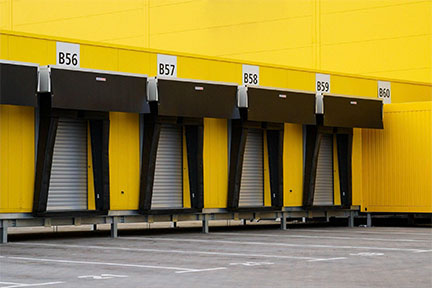
Choosing a storage unit involves consideration of size, accessibility, security, and climate control. For items like upholstered furniture, documents, or textiles, climate-controlled units protect against humidity and temperature fluctuations, an important aspect in regions with variable weather.
Organization within the storage space also affects ease of future retrieval. Best practices include labeling boxes clearly, creating an inventory list, and arranging items so that frequently accessed pieces remain toward the front or top of the unit.
Regularly scheduled visits to the storage unit, even if infrequent relative to daily life, help retirees stay connected with their belongings and adjust plans as their life course evolves.
Financial planning and storage
Storage is not without cost; monthly fees, moving expenses, and supplies all add up. Including storage in a broader financial plan for relocation helps retirees balance these expenses with other retirement priorities. Some storage facilities offer flexible lease terms, allowing retirees to scale up or down unit sizes depending on changing needs.
Comparing multiple storage options, understanding rental agreements, and factoring in transportation costs between properties all contribute to a practical financial perspective.
Legacy and long-term disposition
Part of planning for retirement relocation is considering long-term disposition of belongings. For items in storage, questions might include:
- Will these items be needed in the foreseeable future?
- Do family members have interest or use for particular possessions?
- Are there donation or resale options that support community groups or charitable causes?
Answering these questions early prevents units from becoming long-term forgotten spaces. Rather than indefinitely storing possessions out of habit or uncertainty, having a planned timeline or criteria for later decisions supports both emotional wellbeing and practical use of resources.
Support and professional help
For many retirees, the relocation process, especially decisions about possessions, can feel overwhelming. Professional organizers, senior move managers, and estate planners can offer objective perspectives, logistical support, and expertise in navigating property transitions.
These professionals help retirees develop customized strategies that reflect personal values, simplify practical workloads, and mitigate the emotional burden of sorting through decades of belongings.
The psychological transition
Retirement relocation is more than a change of address; it is a psychological shift from one life stage to another. Decluttering and organizing belongings becomes symbolic of broader transitions, letting go of old routines, creating space for new pursuits, and aligning physical environments with current lifestyle goals.
Approaching these decisions with intention, support, and realistic expectations helps retirees embrace their new settings without lingering stress about possessions or unfinished transitions.
Photo 1 by Ciro Magliano on Unsplash
Photo 2 by Simeon Galabov on Unsplash