
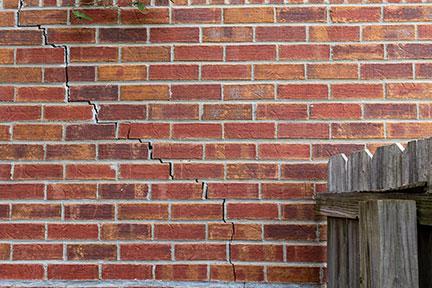
Georgia features a landscape that ranges from the red clay of the Piedmont to the sandy plains of the coast. Every home built in this region must find a way to coexist with these shifting environmental conditions over many years. While the structure might look solid from the street, it is constantly reacting to the world around it.
Site specific factors like the slope of the yard and the types of trees nearby influence how a foundation handles the passage of time. These invisible forces shape the structural behavior of a building in ways that are often very predictable once you know what to look for. Ignoring the site leads to unexpected stress on the masonry and framing.
Recognizing the hidden patterns of the local terrain is the first step in creating a stable and reliable residential property. By looking at the house as a part of a larger system, you can build a plan that stands up to the local weather. For a professional look at these variables, homeowners often consult with Engineering Solutions of Georgia.
A proper evaluation takes these regional conditions into account before any repair or reinforcement is planned. Engineers assess how soil movement, water flow, and load distribution interact beneath the structure over time. This careful analysis allows solutions to be tailored to the property itself, rather than relying on one-size-fits-all fixes that may not hold up in Georgia’s diverse terrain.
Soil Behavior and Moisture Sensitivity
Clay soil is the defining feature of much of the region, and it presents a unique set of challenges for any structural footing. This material is highly reactive to moisture, meaning it swells significantly when it absorbs water and shrinks as it dries out. This constant motion puts an immense amount of pressure on the concrete.
Expansion happens during the wet seasons when the clay particles become saturated and push upward against the foundation with incredible force. This upward heave can lift a slab or a corner of a house, causing the framing to twist. The rigidity of the building materials cannot always handle this localized concentration of weight.
Contraction occurs during the hot summer months as the ground loses its moisture to the air and the roots of nearby plants. As the soil shrinks, it pulls away from the structural edges, leaving a void where there used to be solid and reliable support. This loss of contact is a primary driver of settlement issues.
Drainage Patterns and Elevation
The elevation of a property determines how water moves across the land and where it eventually settles during a storm. A home built on a steep hill faces different pressures than one located in a low lying valley. These height differences dictate the flow of runoff and the saturation of the earth.
Slopes can be a benefit if they move water away from the house, but they also create lateral pressure against basement walls. If the earth is pushing against one side of the foundation more than the other, it can cause the masonry to lean. Managing the grading is essential for maintaining a balanced load.
Poor drainage patterns allow water to pool near the corners of the house, creating soft spots in the soil profile. This localized saturation weakens the load bearing capacity of the ground, leading to uneven and problematic settlement. Site contours must be managed to keep the foundation area as dry as possible.
Seasonal Weather Cycles and Movement
Georgia experiences intense seasonal weather cycles that keep the ground in a state of constant flux throughout the year. The heavy rain of the winter months is often followed by long periods of high heat and drought in the summer. These swings in moisture levels act as a pump.
Repetitive cycles of wetting and drying put a significant amount of fatigue on the concrete and the wooden framing of a home. Each time the soil shifts, the house must adjust its position to stay in balance with the moving earth. Over decades, these small movements add up to visible structural damage.
Ongoing structural movement is almost always tied to these local climate patterns and the way the site handles the change. Without a way to stabilize the moisture level in the ground, the foundation will continue to move. Anticipating these cycles is a vital part of protecting the long term health.
Site Specific Evaluation and Assumptions
Every lot has a different story to tell based on the geology and the history of the construction in that neighborhood. Assuming that a fix for one house will work for another is a mistake that often leads to incomplete repairs. Site specific analysis is the only way to find a real solution.
Generalized repair assumptions fail to account for the unique variables like the presence of underground springs or old buried debris. Professionals must look at the specific soil density and the load distribution of the individual structure. This data provides the foundation for a reliable and lasting repair plan.
Choosing the right strategy involves ruling out environmental factors before any hardware is installed in the ground. If a drainage issue is the cause of the shift, fixing the pipe might be more effective than a pier. Taking the time to evaluate the site ensures the solution matches the actual need.
Achieving Long Term Structural Performance
Gaining a clear perspective on how site conditions influence structural performance is the best way to maintain a safe and reliable home. It allows you to move away from a reactive model and toward a proactive plan for maintenance. Stability is the goal for every owner who wants to preserve their investment.
Connecting the health of the foundation to the environment creates a more resilient property that stands up to the elements. By managing the soil and the water, you reduce the stress that leads to cracks and sticking doors. This holistic view is the key to lasting success for the property.
Ultimately, the long term performance of a home depends on how well it interacts with the specific patch of earth beneath it. Staying informed about the state of your lot and the local weather patterns ensures a solid future. A dry and stable house starts with the site where it was built.