
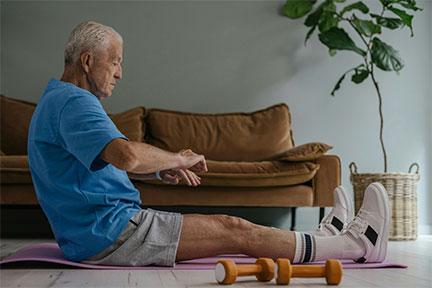
Knee pain affects about one in four adults in the US. That's millions of people dealing with it every day. For those over 65, it often means shorter walks or less time playing with grandkids. The cartilage in joints wears down over time, and old injuries make steps feel heavy.
Family members see the changes too. Loved ones skip card games or stop weeding the garden. Getting up from a seat becomes hard work. But there are ways to help without surgery or long stays in the hospital.
Doctors use the body's own parts to make repairs. Stem cells can help fix worn-out knees and hips. One way is to take fluid from bone marrow and make bone marrow concentrate, which contains your own stem cells. People in their 70s tell stories about getting back to short hikes just months after.
This article explains how stem cells help with recovery. It uses facts from studies on joint care for older folks. You will read about the steps, the benefits, and things to think about before seeing a doctor.
Basics of Stem Cells
Stem cells work like the body's fix-it crew. They can grow into different kinds of cells, such as those for muscle or bone. In grown-ups, most of these cells live in bone marrow. That's the soft stuff inside big bones like the hip bone.
Age changes how many stem cells you have. After age 60, the count goes down in many places. This makes it take longer to heal from breaks or sore joints from everyday use.
Doctors can pull out these cells and make them stronger. They use a machine to spin the fluid and group the good cells together. Then they put the strong mix back into sore spots, like a bad shoulder, with no extra medicines.
There are different kinds of stem cells to pick from. Ones from bone marrow help best with bone and joint problems. Cells from fat are easier to get for some people.
A study from the National Institutes of Health looked at these cells for knee pain. It found pain scores dropped by about 19 points on a 100-point scale after six months. People could move better, and their steps felt easier.
Teams check the cells before use. They count how many are alive and ready to work. This step lowers risks and helps the treatment hit the right mark.
Stem cells fit well for older bodies. They use what you already have, so no big shocks. Many start to feel the changes in daily tasks soon after.
How Stem Cell Therapy Works
Your first visit checks what hurts. Doctors use X-rays or MRI scans to find tears in tendons or extra bone growth. They ask about your pain level and how far you can bend or lift.
The next step is to draw the bone marrow. This happens on a different day. A thin needle goes into the hip bone after numbing the skin. The whole draw lasts about 15 minutes. It feels like a quick trip to the dentist.
A special machine spins the drawn fluid fast. This packs the stem cells at the bottom. Then, pictures from a machine guide the needle to put the cells right where the pain is.
Here are the main steps in the treatment:
- Get scans to find the exact sore spot.
- Pull the fluid from the bone with care.
- Put the strong cell mix back in the right place.
The cells start to work in the joint over four to eight weeks. They help grow new small blood tubes to bring food to the area. Old stiff spots start to soften, and puffiness goes down.
You keep a notebook of your daily walks or arm lifts. The clinic calls each week to change your rest time or add ice packs. By the end of three months, lots of people leave their walking sticks behind.
This way avoids big cuts that keep you off your feet for weeks. You go home the same day, which means less worry about germs. Facts show that seven out of ten people keep their better movement after a full year.
The treatment builds on your body's own ways to heal. It takes time, but the changes stick for most. You learn to spot what helps your progress along.
Evidence from Clinical Studies
Tests in clinics help people trust these treatments. A review from 2025 looked at many trials on knee joint wear. It combined results from groups with sore knees. The stem cell shots lowered pain marks by 2 to 3 points on scales out of 10.
Folks over 70 saw good changes too. Women in that age group often had better growth in joint padding. Scans after treatment showed thicker layers where it counted.
The safety side looks good in most logs. Rates of bad reactions stay below one percent at places that do this. Small sicknesses like a short cold go away with a few days of rest.
One big look at trials crunched numbers from 15 or more studies. It found odds of better knee scores went up by about 40 percent with stem cells. But checks after two years call for more long-term watches.
These results help doctors choose the right plans. Age of the patient guides how much to use. Joint wear that starts early answers best to just one round of shots.
Studies keep growing on this. New ones test mixes with other helps like exercise. The data points to real steps forward in how knees feel and work.
Doctors share these finds with patients. It sets clear goals for what to expect. Relief comes steady, not all at once for most.
Advantages for Older Adults
Joint pain hits more than half of people over 75, based on US health checks. Knees take the most hits from years of walking and standing. Stem cell help rebuilds from the inside to make steps more sure.
With stronger joints, falls happen less. You can add balance practice after treatment. Places for older folks see fewer trips to the emergency room from people who try this.
Small joys come back quick. Think of a 68-year-old who weeds flowers without a wince after two months. Or a grandpa who runs after a ball in the yard once more.
The Hospital for Special Surgery talks about options like this. They note that less invasive ways can push back the need for full knee fixes. Lower pain opens doors to classes like gentle yoga or pool swims.
The low chance of problems fits those who stay away from strong sleep drugs. Most need no full body numbing. Any ache feels like after a hard day of yard work and fades in two days.
Better movement helps at home. Stairs don't scare as much with fixed-up hips. Those who help with care feel less worry when you dress or bathe on your own.
This matches what senior groups push for health. Walks in a pack build on the treatment's wins. Friends share tips and cheer each other's steps forward.
You keep more say in your days. Chores or visits with kin feel doable again. The focus stays on what you enjoy, not just getting by.
Factors to Weigh in Treatment
Your body's shape matters at the start. If bone marrow gives less in weaker builds, teams switch to fat pulls. Labs count the live cells to know what you'll get.
Health checks spot what won't work. Medicines that thin blood stop for a few days before the draw. Past cancer means no go in the rules.
Right now, insurance doesn't cover much of this. You pay from your pocket, about $3,000 to $8,000 for one knee. Some covers for test runs, so look at your plan first.
Pairing with other care raises the chances. Go to physical therapy two times a week to stretch the new strength. Add foods with omega-3 fats to help the cells do their job.
Use phone apps to watch your high points. Note your steps and bad pain days. Changes happen if things stay flat after three months.
Talks with family help pick the best fit. Your partner's thoughts on travel time count. Pick clinics close by to ease the load on everyone.
Real wins come from keeping hopes in check. Not all hurts fix up all the way. But cutting pain in half means a lot for evenings full of action.
Doctors with training in new cell work stand out. Look for board papers that show know-how. Visit the place to see if it feels right for you.
Next Steps for Joint Health
Stem cells open paths to days with less hold-back for many in later years. Start by matching your joint pain notes with a chat from a trained pro. That simple talk often leads to easier moves and more time for what matters most in your routine.
Photo 1 by SHVETS production from Pexels
Photo 2 by Gustavo Fring from Pexels