
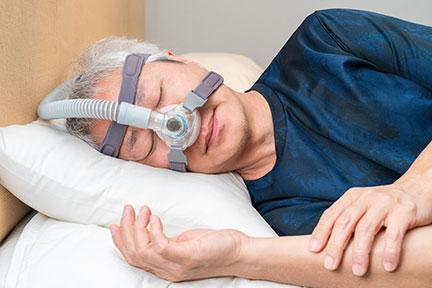
Millions of people around the world still can't get restorative sleep, often because they have sleep apnea, which is a medical condition that hasn't been diagnosed or is poorly managed. This long-term condition, which causes breathing to stop and start while you sleep, not only affects your energy levels and mental function during the day, but it also poses serious long-term health risks. There are a lot of good treatments out there, but Continuous Positive Airway Pressure (CPAP) therapy is the most well-known and often prescribed. The first and most important step for people who want to sleep better and be healthier is to learn how to use CPAP equipment correctly.
Unmasking the Condition: Learning About the Signs of Sleep Apnea
Recognizing the subtle but dangerous signs of sleep apnea is important for getting a diagnosis and treatment on time. There are two main types of sleep apnea: obstructive sleep apnea (OSA), which happens when the airway is physically blocked, and central sleep apnea (CSA), which happens when the brain doesn't send the right signals to the muscles that control breathing. No matter what kind it is, the repeated stopping of breathing (apnea) or shallow breathing (hypopnea) causes sleep to be broken up and oxygen to be low.
The most common and often first noticed of sleep apnea symptoms is loud, chronic snoring, frequently punctuated by gasps, snorts, or choking sounds as the individual struggles to breathe. However, the impact extends far beyond the bedroom. Daytime consequences are profound and include:
Excessive Daytime Sleepiness (EDS): People who have this condition feel tired all the time, even after spending hours in bed. This makes it hard for them to stay awake during the day, which can affect their work, driving safety, and social interactions.
Headaches in the Morning: Not getting enough oxygen while you sleep can cause headaches when you wake up.
Changes in Mood and Irritability: Not getting enough sleep can make it hard to control your emotions, which can cause mood swings, anxiety, and even depression.
Cognitive function is impaired, which makes it hard to focus, learn new things, or remember things.
If you wake up with a dry mouth or sore throat, it could mean that you are breathing through your mouth because your airways are blocked.
Frequent Nighttime Urination (Nocturia): Sleep apnea can mess with hormones that control fluid balance, which can make you need to go to the bathroom more often.
High Blood Pressure: Long-term sleep apnea greatly increases the risk of high blood pressure and other heart diseases.
Less sexual desire: Sleep problems can throw off your hormones, which can affect your sexual desire.
If you have a lot of these symptoms, you should see a doctor and get a sleep study. A polysomnogram, which watches different body functions while you sleep, gives a clear diagnosis.
The CPAP Solution: Parts and How to Care for Them
Once a person is diagnosed, CPAP therapy is often recommended because it works so well to keep the airway open. The main parts of a CPAP machine are: The CPAP machine is a small device that takes in air from the room, filters it, and then pressurizes it to a certain level. It keeps the airway from collapsing by sending a steady stream of positive pressure. Modern machines are quiet, have humidifiers to keep things from getting too dry, and can log data to keep track of how often they are used and how well they work.
The Mask: There are different kinds of masks, such as nasal pillows (which seal at the nostrils), nasal masks (which cover the nose), and full-face masks (which cover both the nose and mouth). The mask connects to the machine through a hose and sends pressurized air. For therapy to work, it's very important to choose the right mask that fits well and seals well.
The tubing or hose is a flexible tube that connects the CPAP machine to the mask and sends the air under pressure. To keep condensation from forming and make things more comfortable, many hoses are heated.
Humidifier (Optional but Recommended): The humidifier is built into or attached to the machine. It adds moisture to the air, which keeps the nasal passages, throat, and mouth from getting dry, irritated, or congested.
Filters: The CPAP machine has air filters (some of which can be thrown away and some of which can be used again) that clean the air that comes in, making sure that the user breathes air that is free of dust.
To keep your CPAP equipment in good working order and avoid infection, you need to clean and maintain it properly. Cleaning the mask, tubing, and humidifier water chamber on a regular basis and changing the filter on time are both very important for the therapy to work and be comfortable. When used regularly and with the right changes, CPAP therapy can greatly improve sleep quality, lower health risks, and bring a person's overall health back to normal.