
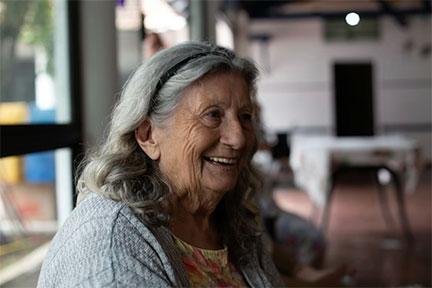
Warmth creates comfort, brings a sense of security, and supports a welcoming environment, especially for seniors who rely on stable indoor conditions. Senior living communities must prioritise reliable heating to support both comfort and health. As bodies age, temperature regulation becomes harder, and cold environments increase the risk of illness or injury. Caregivers, facility managers, and families recognise the importance of dependable systems that provide steady warmth throughout the day and night. Reliable heating improves quality of life, strengthens overall safety, and creates peace of mind for everyone involved in senior care.
A well-maintained system helps residents relax. When seniors feel warm and comfortable, they sleep better, move more confidently, and enjoy shared spaces without discomfort. Consistency in indoor temperatures supports emotional well-being by creating calm and stability.
Understanding Seniors’ Unique Heating Needs
Aging changes the way the body responds to temperature. Seniors lose heat faster, experience slower circulation, and often require warmer indoor environments to stay comfortable. These physical changes increase sensitivity to cold drafts, sudden temperature shifts, and inconsistent heating.
Seniors who live in communities with stable heating feel more secure. Fluctuating temperatures disrupt daily routines, decrease comfort, and increase risks for respiratory problems. Facilities that prioritise reliable heating protect their residents from unnecessary stress.
A study focused on indoor environmental health showed that older adults thrive in stable indoor climates. Consistent heating supports stronger immune responses and reduces health complications linked to cold exposure. Senior living environments must account for these unique needs and maintain systems that deliver continuous comfort.
How Reliable Heating Supports Health and Safety
Warm environments protect seniors from harmful cold exposure. Low temperatures increase the risk of joint stiffness, slow reaction times, and heightened discomfort. When facilities maintain reliable heating, residents stay more active, maintain better movement, and face fewer risks during daily tasks.
Cold environments raise concerns for respiratory conditions. Seniors with asthma, chronic bronchitis, and heart conditions feel more strain when temperatures drop. Stable heating reduces this strain and improves breathing comfort.
Warmth also supports circulation. When seniors remain warm, their bodies function more efficiently. This helps them walk, stretch, and complete tasks more safely. Reliable heating contributes to overall safety in every room of the facility.
Falls occur more often when seniors feel cold. Muscles tighten, reactions slow, and balance weakens. A warm home or community space supports comfort and decreases the likelihood of slips or accidents.
The Importance of System Maintenance in Senior Living
A heating system performs best when it receives regular care. Senior living spaces depend on equipment that delivers steady and powerful heating without interruptions. Routine tune-ups reduce the risk of sudden breakdowns and keep the environment safe.
Technicians inspect filters, motors, and thermostats to confirm that everything works properly. Clean components move air smoothly and maintain comfortable temperatures throughout the space. This attention helps prevent problems before they affect residents.
A reliable system improves energy efficiency. Clean equipment uses less energy and produces more consistent heat. Lower energy costs help facilities allocate resources to additional care and support for residents.
Early detection of problems creates a more stable living environment. Technicians recognise warning signs, identify weakened parts, and correct issues before they threaten comfort. Preventive maintenance contributes to long-term heating stability.
Communities that invest in regular service appointments receive stronger performance from their heating units. Reliable systems create dependable comfort that residents value.
How Professional Care Supports Reliable Heating
Senior living facilities benefit greatly from professional HVAC support. Specialists who understand heating needs in residential care settings provide stronger guidance, more accurate evaluations, and trusted maintenance. Families and caregivers feel more confident when professionals oversee critical systems.
Trained technicians identify the best options for maintaining consistent warmth. Their insight helps facilities adjust settings, manage energy use, and create ideal indoor environments. Partnering with an experienced provider ensures long-term reliability, especially during colder seasons.
Some communities begin their planning process with guidance from trusted service providers. Residents and staff feel more confident when they see professional commitment at work. Reliable heating becomes a foundation for comfort and security. A helpful starting point for learning about dependable support begins with the services offered at Pipe Works Services, since these teams understand the value of stability in senior living spaces. Families appreciate knowing that facility leaders rely on expert guidance when it matters most.
Professional support strengthens the system’s resilience. Technicians offer advice on upgrades, insulation improvements, and thermostats that improve comfort. Their assistance helps facilities stay prepared for seasonal changes and unpredictable temperature shifts.
Creating Comfortable Living Spaces Through Smart Design
Heating efficiency improves when building design supports warm air distribution. Senior living spaces benefit from layouts that encourage airflow and reduce cold spots. Thoughtful planning contributes to comfort in bedrooms, hallways, dining areas, and activity rooms.
Insulation plays a major role in heat retention. Proper insulation reduces heat loss through walls, ceilings, and floors. Senior living communities that upgrade insulation improve temperature stability and reduce stress on heating units.
Windows also influence heating performance. Double-pane or energy-efficient windows limit drafts and prevent cold air leakage. Curtains and blinds help maintain warmth and create a comfortable atmosphere.
Thermostat placement affects room comfort. Units positioned away from vents or direct sunlight provide more accurate temperature readings. Smart thermostats give caregivers better control over the heating schedule, supporting consistent warmth throughout the day.
Lighting influences temperature perception as well. Warm-toned lighting helps create a cozy environment, making spaces feel more comfortable. These details contribute to a more pleasant experience for seniors.
Supporting Resident Comfort Through Daily Practices 
Caregivers play a direct role in maintaining comfort for seniors. Regular room checks ensure that heating units operate correctly. Care teams who communicate with residents build better awareness of individual comfort preferences.
Encouraging regular movement helps seniors stay warm. Gentle stretching, walking, or participating in group activities boosts circulation and reduces stiffness. Facilities that promote movement support both physical health and temperature regulation.
Layered bedding helps residents adjust their warmth through the night. Soft blankets and comfortable sheets create flexibility for each person’s needs. Staff who pay attention to how residents sleep help maintain restful nighttime environments.
Monitoring humidity improves comfort as well. Dry air causes irritation, while balanced humidity supports easier breathing. Care teams can use humidifiers to create a more comfortable indoor atmosphere.
Reliable heating creates comfort, safety, and stability for seniors in residential communities. Warm environments protect physical health, support mobility, and promote emotional well-being. When facilities invest in preventive maintenance, smart design, and professional support, they create spaces where seniors feel calm and secure. Thoughtful daily practices and strong emergency plans strengthen reliability even further. A commitment to dependable heating reflects a commitment to dignity, comfort, and quality of life for every resident.