
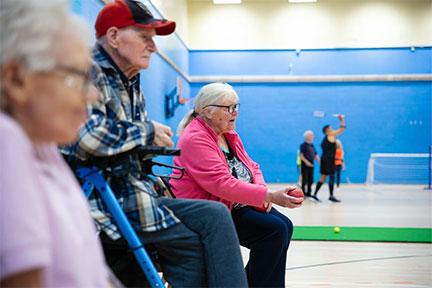
Aging brings many shifts in how people live and interact with the world. Staying mentally strong is a priority for many seniors looking to enjoy their later years. Resilience helps individuals bounce back from life hurdles and maintain a positive outlook. Finding the right support systems makes a significant difference in this journey. Many paths lead to a fulfilling and balanced life through community groups or professional services. These resources offer a way to stay connected and healthy as the years pass.
The Shifting Trends of Senior Mental Health
Changing life circumstances often impact how older adults feel about their daily lives. A report from Washington University in St. Louis notes that Americans over 65 saw a 57% increase in new mental health diagnoses between 2019 and 2023. This rise suggests that more people are recognizing the need for emotional assistance. Identifying these patterns helps families find the right kind of help early on. Understanding that many others face similar challenges makes it easier to talk about these feelings - a key part of recovery.
Many factors play a role in these increasing numbers. Retirement and changes in physical health can create new stresses that were not there before. Navigating these changes requires patience and a willingness to try new things. Staying informed about modern trends helps seniors and their caregivers prepare for the future. Acknowledging the need for a plan is the first step toward lasting mental strength.
Building Resilience through Community Connections
Daily routines often change after retirement or when children move away. Engaging with Social Work and Mental Health programs provides a framework for managing these transitions effectively. These resources offer specialized guidance for individuals seeking to maintain their emotional well-being. Finding a group of peers who understand these changes creates a strong sense of comfort.
Strong connections help people navigate the hurdles that come with aging. Talking to others who share similar life experiences reduces the weight of personal worries. It provides a space where people can be honest about their struggles and find collective solutions. Building this network takes time but offers rewards that last for years. Having a person to call during a bad day provides a safety net that protects against stress.
Engaging in Social and Therapeutic Activities
Active participation in the community keeps the mind engaged - and the spirit high. Research from the World Health Organization highlights that meaningful social activities improve life satisfaction and reduce depressive symptoms. Staying involved in group settings allows people to feel like they are part of something bigger. It gives a reason to get out of the house and interact with the world. Meeting new people keeps social skills sharp and creates new memories.
Therapy serves as another powerful tool for building internal strength. An article from Supportive Care states that resilience is a dynamic process that grows through cognitive-behavioral therapy and mindfulness. These practices help seniors learn how to handle negative thoughts healthily. Combining social interaction with professional techniques creates a balanced approach to wellness. Learning these skills helps people stay calm during stressful moments.
Creating Age-Friendly Living Spaces 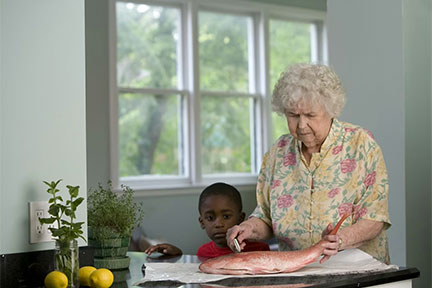
The physical environment around a person affects their mental state. A study in the International Journal of Environmental Research and Public Health mentions that age-friendly environments help prevent anxiety by making social interaction easier. Neighborhoods with safe paths and parks encourage people to spend time outside. This accessibility makes it simpler to meet friends and stay active.
Safety and Ease of Access
When a neighborhood is designed with older adults in mind, it reduces the fear of falling or getting lost. Clear signs and well-lit streets make a big difference in how often people leave their homes. These small details build a sense of independence and security. Feeling safe in one's own community is a major factor in staying mentally resilient. It allows people to focus on enjoying their surroundings rather than worrying about risks.
Physical Health and Nutritional Balance
The body needs the right fuel to keep the mind working at its best. Insights from a study on healthy aging suggest that tailored physical activity and nutritional support help people preserve their mental reserves. Eating a balanced diet gives the brain the nutrients it needs to handle stress. Regular movement keeps the body strong and the mind clear. Small changes in daily habits lead to big improvements in how a person feels.
Maintaining these habits is easier when they are part of a daily schedule.
- Eating a variety of fruits and vegetables every day.
- Walking for at least 30 minutes in a safe area.
- Drinking enough water to stay hydrated and alert.
- Joining a fitness class for older adults.
Strengthening Bonds and Social Connectedness
The quality of a person's relationships acts as a shield against emotional distress. A paper in Frontiers in Psychiatry notes that adults who rarely receive emotional support are twice as likely to report depression. Having a circle of trusted friends or family members provides a place to turn during tough times. These bonds offer the encouragement needed to keep going when things get hard.
Finding these groups is possible through many local outlets. A report from the International Institute of Social and Political Research suggests that joining clubs or senior centers is a key way to fight isolation. These places offer a structured way to meet new people and form lasting friendships.
- Local gardening clubs for nature lovers.
- Book discussion groups at the library.
- Game nights at community centers.
- Crafting circles for creative projects.
Creative Expression and Emotional Strength
Expressing oneself through art or music provides a unique way to process life changes. The Global Wellness Institute notes that activities like painting and music improve emotional resilience and cognitive energy. Learning a new skill keeps the brain active and creates a sense of pride. It offers a way to communicate feelings that might be hard to put into words.
Many seniors find that starting a creative project gives them a new sense of purpose. Whether it is learning an instrument or taking a pottery class, these activities offer joy and mental stimulation. Sharing these talents with others creates more chances for social connection. This balance of personal growth and social time is a great way to stay strong.
Maintaining mental resilience is a journey that involves many different types of support. Every connection helps build a stronger mind, whether it comes from professional therapy or a local club. The right support makes all the difference in staying mentally strong.