
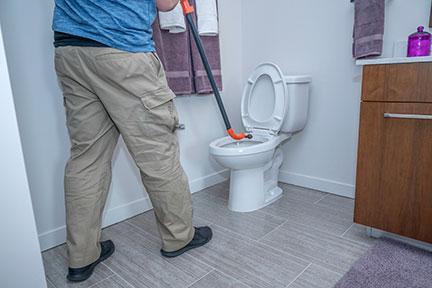
A blocked toilet feels like an emergency because, in a way, it is. It’s disruptive, unhygienic, and it has a nasty habit of escalating from “minor inconvenience” to “water on the floor” in minutes. Most people try the obvious fixes first—a plunger, hot water, maybe a “drain cleaner” from under the sink. Sometimes that works. Often it doesn’t.
So what do local plumbers do differently? The short version: they treat a blocked toilet less like a one-off clog and more like a symptom with a cause. They diagnose, choose the least destructive method, clear the blockage thoroughly, and check that it won’t come straight back.
They Start With Diagnosis, Not Force
They ask the right questions before touching anything
A good plumber doesn’t just walk in and start plunging. They’ll typically ask:
- Has it happened before?
- Is it only this toilet, or are other drains slow too?
- Did the blockage start suddenly (after something was flushed), or build up gradually?
- Has there been any recent work on the plumbing or renovations?
Those questions aren’t small talk—they’re a fast way to tell whether this is likely a simple pan blockage, a partial obstruction in the soil pipe, or even a developing drain issue outside the property.
They check for the “bigger than the toilet” problem
DIY attempts often assume the clog is sitting right in the bowl. Plumbers look beyond that. If multiple fixtures are backing up (toilet + shower, for example), the restriction may be further along the line. That changes the approach entirely: clearing the toilet alone won’t fix a downstream blockage, and repeated plunging can make a mess without solving the cause.
They Use the Right Tool for the Right Blockage
They choose tools that clear—not just “push through”
The classic household plunger can be useful, but it’s a blunt instrument. Plumbers have options, and each one has a specific job:
- A closet auger (toilet snake) to retrieve or break up a localised obstruction without damaging the porcelain.
- Drain rods to work through longer runs of pipe (used carefully to avoid pushing the blockage deeper).
- Wet vacuums in certain scenarios to remove standing water and reduce spill risk before further work.
That “right tool” mindset matters because some clogs shouldn’t be forced through. If the obstruction is a solid item (wipes, a child’s toy, sanitary products), pushing harder can lodge it more firmly—or move it to a bend where it becomes much harder to remove.
They escalate quickly when it’s no longer a DIY job
A common turning point is when repeated plunging changes nothing, or the toilet briefly empties then refills and blocks again. That’s often a sign of a partial blockage further down, not just a bowl-level clog.
If you’re in an area where older pipework and shared drain runs are common, it can be especially helpful to understand what a specialist will do next and why. This overview of professional toilet services in Essex is a good reference point for the kinds of methods and callouts typically involved once the problem goes beyond a simple plunge-and-go.
They Verify the Cause (and the Fix)
They know when to inspect, not guess
Plumbers increasingly rely on inspection tools to avoid guesswork. A small CCTV drain camera can identify:
- A blockage’s exact location
- Whether it’s wipes/fat build-up vs. a solid object
- Cracks, collapses, or root ingress
- Poor pipe alignment or “bellies” where water sits and solids collect
This is where professional work differs most from trial-and-error DIY. Instead of clearing “something” and hoping, they can confirm what was there and whether the pipe is sound.
They flush-test properly
A proper flush-test isn’t one triumphant flush and a job done. A plumber will often run multiple flushes, sometimes with paper, to check the line clears consistently. They’ll also watch how the water behaves in the pan:
- Does the level rise before it drops?
- Is there gurgling (suggesting air displacement from a partial obstruction)?
- Does it drain sluggishly (possible restriction further along)?
Those details tell you whether the blockage is fully removed or merely shifted.
They Avoid Causing Secondary Damage
They don’t rely on harsh chemicals (and for good reason)
Off-the-shelf drain cleaners can create problems, particularly in toilets. Many are designed for sinks, not soil pipes, and can:
- Sit in the bowl if the water isn’t moving, increasing exposure time
- Damage older pipework or seals over time
- Create a hazard for whoever has to work on the blockage next (chemical splash risk)
Professionals typically prioritise mechanical clearing and targeted jetting rather than pouring chemicals into a stagnant system.
They protect the bathroom while they work
It sounds basic, but it’s part of the difference. Local plumbers are set up to control mess: using protective sheets, isolating the area, managing spill risk, and disposing of waste safely. If the toilet needs to be removed (rare, but sometimes necessary), they’ll replace seals correctly and check for leaks—small details that prevent a “fixed clog” from turning into a slow water-damage issue.
They Think in Systems: The Toilet, the Pipe, and the Drain
They look for patterns that point to repeat blockages
Blocked toilets aren’t always about what was flushed. Plumbers often spot contributing factors such as:
- Low-flow toilets struggling with heavy paper use
- Slightly back-falling pipe runs that don’t carry solids efficiently
- Scale build-up narrowing older pipes
- External drain issues that show up first at the lowest point (often the toilet)
In other words, they don’t just clear the symptom—they look for the reason it happened now.
They offer practical prevention that actually works
You don’t need a lecture; you need habits that reduce the odds of a repeat. If you want one simple rule, it’s this: the toilet is not a bin. Beyond that, it helps to be specific. Here are the most common “repeat-offenders” plumbers see:
- “Flushable” wipes (they don’t break down like toilet paper)
- Excessive paper use in one flush
- Sanitary products and cotton buds
- Nappies, even “biodegradable” ones
- Fats and food waste (from households where toilets are used as a shortcut disposal route)
If you’re dealing with frequent blocks despite good habits, that’s often your cue to investigate the drain condition rather than blaming the household.
When to Stop DIY and Call a Local Plumber
If you’re debating whether to have another go with the plunger, ask yourself: is the situation stable—or getting worse? A good rule of thumb is to pause and get help when:
- The toilet backs up repeatedly within days or weeks
- Water is rising in the bowl and close to overflowing
- Other drains are slow or gurgling
- There’s a persistent unpleasant smell suggesting trapped waste
- You suspect a solid object has been flushed
Local plumbers clear blocked toilets effectively because they treat the job like a small investigation: identify the type and location of the obstruction, remove it with the least damage, confirm flow is restored, and check for underlying causes. That approach saves time, reduces mess, and—most importantly—makes it far less likely you’ll be dealing with the same problem again next weekend.