
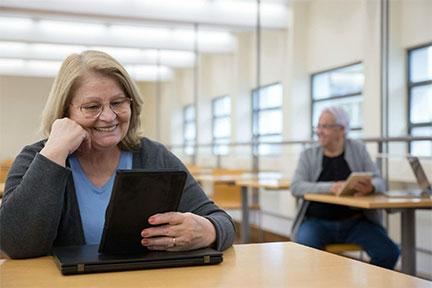
As technology continues to intertwine with nearly every aspect of daily life, seniors must stay informed about potential risks while enjoying the benefits that come from connectivity. Remaining safe in a digital field often requires both awareness and a proactive approach.
Many seniors embrace living independently, yet they may find themselves facing unique challenges, particularly in terms of privacy and security. Through a combination of technological understanding and vigilance, seniors can enjoy their golden years with increased confidence and peace of mind.
Understanding Your Digital Environment
Living in a connected world means understanding the tools and devices at one’s fingertips. Many seniors find smartphones, tablets, and PCs to be excellent means of communication, and they can expose users to risks, particularly if they aren’t well-versed in how these technologies work. Familiarity with common applications, security settings, and privacy features will help mitigate wrongdoings.
An important step in digital literacy is understanding how to recognize safe websites and applications. This includes looking for indicators such as HTTPS in their URLs and the presence of icons that signify a secure connection.
Many scams circulate through phishing attempts that mimic legitimate services. Having a foundational comprehension of these signs can empower seniors to navigate their online experience more securely.
Staying Informed About Common Scams
Vigilance is key when identifying scams orchestrated to defraud individuals, particularly seniors who may be more vulnerable. Phone scams represent a significant threat, with criminals employing tactics targeting unsuspecting victims.
Staying aware of the various schemes circulating is crucial. There are phone scams that are catching people off guard, utilizing sophisticated social engineering to extract personal information from their targets. Educational resources abound that can help seniors stay informed about the latest scams.
Websites that look through millions of public records with a name, email, address, or phone number provide a wealth of information. These online spaces compile valuable intelligence about scams or threats, which can serve as a critical resource for seniors wishing to stay safe.
The Importance of Strong Passwords
With numerous online accounts and platforms, managing passwords can become overwhelming. Many older adults may use simple passwords, which pose security risks. Creating strong passwords is key. A good password should combine letters, numbers, and symbols, making it harder for potential hackers to crack it. Password managers can be a helpful tool, offering a secure way to keep passwords organized without the need to remember them all.
A layer of security is enabling two-factor authentication wherever possible. This extra step can protect accounts by requiring a password and a secondary verification method, such as a text message or email link, adding another hurdle for anyone trying to gain unauthorized access to an account.
Being Aware of Voice Technology
As voice-activated technology becomes increasingly prevalent, seniors may find such devices beneficial for daily tasks and communication. Understanding the privacy settings on these devices is vital.
Smart speakers or assistants store data from user interactions, which can raise concerns about unintended disclosures. Taking the time to review and modify these privacy settings can enhance security and reduce the likelihood of personal information being misused.
Before integrating voice technology into their lives, seniors should consider the specific features offered by different products. Some may prioritize entertainment, while others might focus on security features. Making informed decisions ensures that seniors enjoy the benefits and safeguard their digital environments.
Establishing Regular Communications
Developing a support network of trusted individuals remains fundamental in maintaining safety. Regular check-ins with family members or friends ensure that someone is aware of a senior's activities and can provide assistance if necessary. Utilizing applications that allow for messaging or video calls can enhance connectivity, enabling families to stay in touch and engaged.
Discussing any suspicious activity or received communications with family members can establish a system of accountability. Whether it’s an unsolicited email or a dubious phone call, knowing they can turn to others for advice empowers seniors to take control of their interactions.
Embracing Education and Empowerment 
Lifelong learning can profoundly influence the well-being of seniors. Seeking out local community resources offering technology classes can bridge the gap in knowledge. Being proactive about learning can lead to increased confidence in navigating online platforms and consequently reduce vulnerability to scams or fraud.
Engagement extends beyond just understanding technology. It branches into embracing new experiences that connectivity facilitates. Exploring online language courses or participating in communities based on shared interests can significantly enhance the quality of life. Such pursuits provide education and foster social connections, making a considerable difference in one’s emotional well-being.
Final Tips for Safety
Keeping personal information secure requires constant effort and awareness. Reviewing privacy settings on various accounts necessitates that seniors remain vigilant regarding their online presence. Keeping devices updated is another safeguard against potential vulnerabilities, as updates often include security patches that protect against new threats.
Establishing a systematic approach to recognizing potential scams is equally vital. This entails understanding the tactics employed by scammers and maintaining awareness of common strategies. Staying connected with community programs that provide updates on security can greatly enhance a senior's ability to spot fraud quickly and respond appropriately.
Leveraging Emergency and Health Technologies
Modern technology offers seniors tools that can enhance both safety and health monitoring. Devices such as wearable health trackers, emergency alert systems, and smart medical devices provide real-time updates on heart rate, activity levels, or even fall detection. By integrating these technologies, seniors can respond quickly to medical issues, notify caregivers promptly, and maintain a higher degree of independence.
Understanding how to use these tools safely, including ensuring devices are secure, regularly updated, and linked only to trusted contacts, empowers seniors to take control of their health while mitigating potential risks. Many of these technologies offer automated reminders for medications, appointments, or wellness routines, further supporting daily well-being and safety.
Staying safe and connected as a senior requires a balanced approach that combines awareness, education, and the thoughtful use of technology. By understanding their digital environment, recognizing scams, maintaining strong passwords, and being mindful of voice-activated devices, seniors can reduce their vulnerability to online threats. Regular communication with family and friends, coupled with community support programs, ensures they have a network of assistance to rely on in times of need.
Embracing lifelong learning and empowerment allows seniors to confidently navigate new technologies, opening doors to social engagement, educational opportunities, and improved quality of life. Leveraging emergency and health-focused devices adds an extra layer of protection and promotes independence.
Prioritizing both safety and connectivity enables seniors to enjoy the benefits of a digitally connected world without compromising their security. By remaining vigilant, informed, and proactive, seniors can cultivate a lifestyle that is both secure and enriching, fostering confidence, autonomy, and peace of mind in every aspect of daily living.