
Getting older does not have to mean feeling tired all the time. Many people over 60 are told that low energy is “just aging,” so they accept constant fatigue as something they cannot change. In reality, a lot of that tiredness comes from habits, not age alone.
Small daily changes at home can support your cells, brain, and muscles in very practical ways. The right mix of movement, sleep, nutrition, hydration, and smart support can make everyday life feel lighter and more manageable.
Use this guide to choose one habit to start with this week and begin treating your energy as something you can work on, not something you have to lose.
Why Energy Often Drops After 60 (What You Can Control)
After 60, the body naturally changes in ways that influence energy. Muscle mass tends to decline, cells repair themselves more slowly, hormones shift, and sleep can become lighter and more fragmented. Medications, long-term health conditions, and less daily movement can add to the feeling of being tired more often than before.
Even so, low energy is not only about age. Habits play a significant role. Irregular sleep, long periods of sitting, low protein intake, dehydration, and ongoing stress all place extra demands on the body. Over time, those patterns strain the systems that keep your heart, muscles, and brain working smoothly.
The encouraging part is that many of these factors sit within your control. By adjusting how you move, eat, sleep, hydrate, support your cells, and stay mentally and socially engaged, you can create conditions that protect and rebuild your energy reserves.
In the next habits, we focus on practical, at-home changes that respect this stage of life and help you feel more awake and capable day to day.
Habit #1 – Move Your Body Every Day (Without Overdoing It)
Movement is one of the most reliable ways to support energy after 60, but it has to be gentle enough to repeat. Long, intense workouts can feel intimidating or leave you more drained than energized. Short, consistent activity works better and is kinder to joints, heart, and recovery.
We usually look at three elements: light cardio, strength, and balance. A daily walk, a few minutes on a stationary bike, or water exercise can support circulation and stamina.
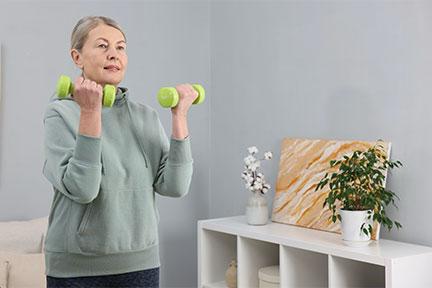
That way, simple strength work with body weight, light dumbbells, or resistance bands helps maintain muscle, which is essential for steady energy and independence. Balance work, such as standing on one leg near a counter or practicing slow heel-to-toe steps, reduces fall risk and builds confidence.
Start small and keep it regular. Ten to twenty minutes broken into two or three blocks is enough at the beginning. As your body adapts, you can gently increase time or variety. The aim is movement that leaves you feeling pleasantly used, not exhausted.
Habit #2 – Support Your Cells With Smart Supplement Choices
Every day energy starts at the cellular level. Cells need a steady supply of antioxidants, vitamins, and other nutrients to make energy, repair damage, and keep tissues working smoothly. After 60, such needs remain important, yet digestion, appetite, or medication use can make full coverage through food alone more difficult.
Many older adults, therefore, add supplements as an extra layer of support. Smaller meals, reduced stomach acid, or specific health conditions can change how nutrients are absorbed and used. A well-planned supplement routine can help fill nutritional gaps, support immune function, and back up systems responsible for daily stamina.
Liposomal formulas offer one possible option. In simple terms, active ingredients sit inside tiny fat-like “bubbles” designed to support absorption and make everyday use more efficient.
Some people over 60, for example, choose liposomal glutathione supplements to support antioxidant defenses and overall cellular health. Others focus on nutrients such as NAD+ precursors for cellular energy and B vitamins for nervous system function and metabolism.
Supplement plans should always rest on top of a balanced diet; never replace it.
We also recommend discussing any new product with a healthcare professional who understands your medical history and medicines. Under good guidance, a small number of targeted supplements can become a practical part of healthy aging at home.
Habit #3 – Treat Sleep Like a Non-Negotiable Appointment 
After 60, many people notice that their sleep changes. Falling asleep may be easy, but staying asleep is harder. Waking up too early, more trips to the bathroom, or racing thoughts in the middle of the night all chip away at rest. Even when total hours in bed look similar, quality often drops, and daytime energy follows.
Sleep works best when it has structure. Going to bed and waking up at roughly the same time each day helps the body learn a clear rhythm. A simple wind-down routine also makes a difference: dimmer lights, quiet activities, and no bright screens during the last 30–60 minutes before bed.
Light stretching, gentle reading, soft music, or a warm shower signal to the brain that activity is ending and rest is next.
Environment matters too. A cool, dark, quiet bedroom supports deeper sleep for many people. Lighter evening meals, limited caffeine later in the day, and careful alcohol use reduce night-time disruptions.
Anyhow, if sleep remains poor for weeks, it is worth talking to a doctor, as issues such as sleep apnea, pain, or certain medicines may need attention. Protecting sleep in this way builds a foundation for every other energy habit you work on.
Habit #4 – Hydrate and Mind Your Minerals
Often, people over 60 move through the day slightly dehydrated without realizing it. Mild dehydration can show up as dull headaches, dry mouth, brain fog, muscle cramps, or an afternoon energy crash. Thirst signals may feel weaker with age, so the body depends more on deliberate fluid intake.
In practice, hydration is easier to manage when it is tied to existing routines. A glass of water after waking up, another with each main meal, and steady sipping between activities can cover a large part of daily needs. Herbal tea, water with lemon or cucumber, and light broths add variety without relying on sugary drinks.
Additionally, minerals such as sodium, potassium, magnesium, and calcium influence energy, nerve signaling, and muscle function. Very high or very low intake can cause problems, so balance is the aim. A varied diet with vegetables, fruits, whole grains, dairy or fortified alternatives, nuts, and seeds usually provides a solid base.
If dizziness, cramps, or unusual fatigue appear often, it is sensible to discuss fluids and minerals with a healthcare professional who can review medications and, if needed, order blood tests.
Habit #5 – Build an Energy-Friendly Plate: Protein, Fiber, and Color
As years go by, the body handles food a bit differently. Muscle needs more support, blood sugar can swing more sharply, and very light meals built mostly on bread, sweets, or tea can leave energy low. An energy-friendly plate focuses less on strict rules and more on a steady mix of protein, fiber, and colorful plants.
First, protein helps maintain muscle and supports repair. Options include eggs, yogurt, fish, poultry, beans, lentils, and tofu. Next, fiber from vegetables, fruits, whole grains, and pulses slows digestion and smooths blood sugar changes.
Finally, color from a variety of plant foods usually signals a range of vitamins and protective compounds that support overall health.
A simple structure can guide everyday meals at home. Half the plate can be vegetables or salad, a quarter a protein source, and a quarter whole grains or starchy vegetables, with a small amount of healthy fat such as olive oil, avocado, or nuts.
For snacks, pair something with protein and fiber, for example, fruit with nuts, yogurt with berries, or vegetable sticks with hummus. As the weeks go by, such a pattern helps reduce energy crashes and supports a more stable, comfortable pace through the day.
Habit #6 – Protect Your Mood and Mind With Connection and Hobbies
To start, energy is not only physical. Mood, sense of purpose, and mental stimulation all shape how much energy feels available in daily life. After 60, routines can quietly narrow, social circles may shrink, and days can become more repetitive. As a result, motivation drops, and even simple tasks start to feel heavier.
In response, regular connection becomes a key habit. Phone calls, video chats, shared walks, group classes, community centers, faith groups, or volunteer roles all provide conversation and a sense of belonging. Even short, predictable check-ins with friends, neighbors, or family can lift mood and reduce the feeling of moving through the day alone.
In addition, hobbies and learning support the brain in different ways. Reading, puzzles, music practice, crafts, gardening, language learning, or simple household projects all give the mind something to work on in a focused, enjoyable way. A few minutes of concentrated activity can leave you feeling more switched on and more satisfied than several hours of passive scrolling or channel surfing.
Overall, the aim is not to fill every moment with activity, but to keep at least a few weekly anchors that involve both enjoyment and engagement. When mood feels more stable, and the mind has regular, meaningful input, physical energy often rises as well, because the day feels more worthwhile and less draining.
Habit #7 – Keep Up With Check-Ups and Track Your Energy
Regular medical follow-up is part of healthy aging, not a sign of weakness. After 60, blood pressure, blood sugar, cholesterol, thyroid function, vitamin levels, heart rhythm, and bone density can all influence daily energy. Routine check-ups make it easier to spot small issues early, before they grow into bigger problems that drain strength and motivation.
Good preparation helps those appointments work in your favor. Before a visit, note patterns such as times of day when tiredness is strongest, activities that feel harder than they used to, changes in sleep, appetite, mood, or weight, and any new dizziness, shortness of breath, or pain. Bringing brief written notes gives the doctor a clearer picture and makes it easier to decide which tests or adjustments might help.
Tracking energy at home adds another useful layer. A simple 1–10 rating for daily energy, sleep quality, and mood in a notebook or phone app can reveal trends over several weeks. You might see that gentle walks, earlier bedtimes, or steadier meals correspond with better days.
Together, regular medical care and simple self-tracking form a partnership. Healthcare professionals provide diagnostics and treatment options; you provide real-life observations. Combined, both perspectives support safer choices and more stable energy over time.
Bringing It All Together: Small Daily Habits, Big Long-Term Wins
Aging is natural, but constant fatigue does not have to define life after 60. Daily energy can improve when key areas work together: gentle movement, smart supplements, consistent sleep, steady hydration and minerals, balanced meals with protein and color, regular connection and hobbies, plus ongoing check-ups with simple energy tracking.
There is no need to change everything at once. Choose one or two habits from this list to focus on over the next week, give them a fair trial, and adjust as needed. Gradual, realistic changes are far more likely to stay, and each one contributes to a calmer, more energized day-to-day life at home.
Disclaimer – SeniorLiving.com
The information provided in this article is for educational and informational purposes only and is not intended as medical advice, diagnosis, or treatment. Liposomal glutathione and other dietary supplements are not reviewed or approved by the U.S. Food and Drug Administration (FDA) for the prevention, treatment, or cure of any disease. Results may vary, and the use of nutritional or antioxidant supplements may not be appropriate for every individual.
Readers should consult with a qualified physician, pharmacist, or other licensed healthcare professional before beginning any new supplement regimen, especially individuals who are pregnant or nursing, have existing medical conditions, are undergoing medical treatments, or are taking prescription or over-the-counter medications, including blood thinners and immunosuppressants.
SeniorLiving.com does not endorse or recommend any specific supplement brand, product, company, or service mentioned in this article and is not responsible for any potential adverse effects, claims, or outcomes resulting from the use of products discussed. Any third-party links or product references may include affiliate partnerships, from which SeniorLiving.com may receive a commission at no additional cost to you. Such relationships do not influence our content, and we strive to provide accurate, balanced information.
If you experience unexpected side effects, discontinue use immediately and seek medical attention.