
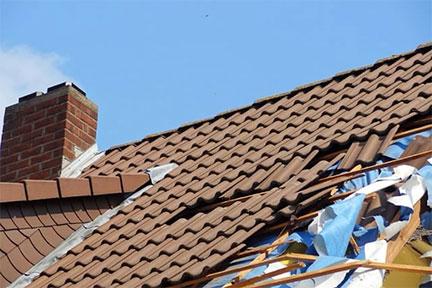
When home damage strikes, it can leave homeowners feeling anxious and devastated. Natural disasters like floods, fires, or severe storms can compromise your property and your peace of mind.
Act swiftly and decisively to manage the situation effectively. This allows you to regain control over your home and emotional well-being. Here’s a guide on how to navigate the tumultuous time after experiencing home damage.
Evaluate the Extent of Damage
The first necessary step is to assess the damages incurred. Take a thorough inventory of the affected areas. Grasp the full scope of the damage to make informed decisions moving forward. Document everything with photographs or videos. Create a checklist of items that have suffered damage, marking those that are salvageable alongside those that need replacement.
Engage with professionals capable of providing expert input on the severity and potential risks associated with structural damage. Ignoring signs of damage can lead to further complications down the line, so prioritize this assessment.
Seek Professional Help
Involving experts during this time can greatly benefit the restoration process if you are dealing with intricate structural damage or potential health hazards due to mold and mildew. Engaging professionals will expedite restoration efforts and alleviate stress, allowing you to focus on what matters most: your family. If damage is extensive, engaging in fire damage restoration services may be an option worth considering, too. Hire professionals who specialize in damage restoration to execute the job.
Research and identify reputable restoration companies specializing in home damage recovery. Check online reviews, ask for recommendations, and confirm their certifications and licenses. A qualified service provider will assess the damage, provide a clear plan for restoration, and offer timelines that can give you a realistic picture of recovery. Investing in professional assistance can result in a more successful and lasting result, so that your family will return home comfortably and securely.
Contact Your Insurance Company
Once you have a clear understanding of the extent of the damage, reach out to your insurance company. Reporting the incident as soon as possible can streamline the claims process and help receive the necessary financial support. Be prepared to provide comprehensive documentation, including your damage inventory and photos.
Insurance adjusters conduct their assessments, so having detailed records will encourage a smoother evaluation of your claim. Understand your policy’s coverage limits, as this knowledge will guide you in making claims for repair costs. Don’t hesitate to ask questions regarding any unclear terms or conditions in your policy. The communication you establish with your insurer will strongly influence the outcome of your claim, emphasizing the importance of clear and continuous contact.
Restore Utilities and Services
If you have addressed the immediate dangers, reinstate utilities and essential services. Evaluate your water, electricity, and gas supply so that they remain intact and safe. Utilities are necessary for day-to-day living and can reduce further stress in your life as you navigate recovery efforts.
Contact your local service providers to inform them about your situation. They can guide you on how to safely restore services, dispatching technicians to inspect if needed. Temporarily relocating to a safe, unaffected space may be a necessary option if the damage is severe. When inconvenient, prioritizing safety guarantees a smoother recovery process as you take steps to repair your home.
Communicate with Family and Neighbors
Throughout the restoration process, communication remains key. Keeping your family informed and involved can create a supportive environment where everyone can manage stress effectively. Discuss the incident openly and allow each family member to express their emotions regarding the damage. Transparency will prevent misunderstandings and promote unity during this trying time.
Never hesitate to reach out to your neighbors for support. They can provide emotional comfort, practical support, or even assistance depending on their capabilities. You might find that community connections can help ease feelings of isolation and worry. Find a balance between action and emotional support to help each member manage their reactions and feelings about the experience.
Establish a Recovery Plan
Creating a structured recovery plan should follow your assessment and communication efforts. Outline each step that needs execution, from cleaning and repairs to reestablishing a sense of normalcy. Prioritize tasks according to urgency and cost, and allocate your resources effectively. Set realistic timelines for each task: these timelines promote accountability among family members and keep everyone on track.
Each family member knows their role in the recovery process, whether it’s packing up damaged goods, sorting through items salvageable, or scheduling appointments with professionals. This joint effort will reinforce family unity so that everyone participates actively. Through this organized approach, you’ll create a smoother path toward restoring your home.
Secure Temporary Living Arrangements
After home damage occurs, one of the most immediate concerns is that you and your family have a safe place to stay. If your home is no longer livable due to structural issues, water contamination, smoke damage, or lack of utilities, consider temporary relocation options. Staying in a compromised home can pose serious health and safety risks, so prioritize a secure environment for your physical and emotional well-being.
Look into short-term rental properties, hotels, or staying with family or friends. Some insurance policies may cover temporary living expenses, so consult your provider to understand your entitlements. Keep receipts for lodging, food, and travel during this time, as these may be eligible for reimbursement. Temporary relocation may feel inconvenient, but it provides a necessary buffer that enables a smoother recovery process.
Take Time to Reflect and Rebuild 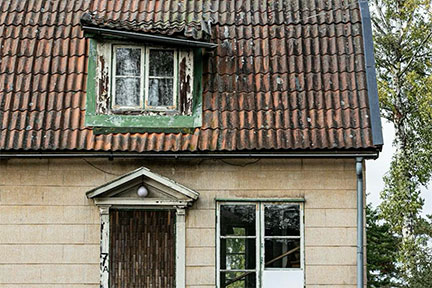
As your home returns to its initial condition, allocate time for reflection. Evaluating the incident through a lens of learning can provide invaluable insights into preparation and prevention for the future. Consider what steps can now be taken to better fortify your home against similar occurrences.
Reflect on the emotional strain the incident has placed upon you and your family. Engage in self-care activities that promote relaxation and support emotional healing. Be it exercise, meditation, hobbies, or time spent with loved ones, prioritize activities that encourage well-being.
Take action swiftly in the wake of home damage. A clear plan of action, bolstered by professional assistance and community support, guarantees an efficient recovery effort. The goal remains restoring your home and a sense of tranquility and normalcy for you and your family.