

Choosing the right skin specialist becomes increasingly important as individuals move into their senior years. Aging skin becomes thinner, more delicate, and more susceptible to dryness, irritation, infections, and chronic conditions. Because of these changes, seniors benefit from dermatologists who understand how age affects the skin and who can offer safe, gentle, and effective care.
With the right doctor, older adults can maintain comfort, confidence, and health. This guide outlines the key factors families should consider when selecting a skilled dermatologist for aging loved ones.
Why Seniors Need Specialized Dermatology Care
Aging skin behaves differently from younger skin. Reduced collagen, slower cell turnover, and decreased oil production make it more fragile and prone to injury. Seniors are more likely to experience conditions such as eczema, fungal infections, slow-healing wounds, and skin cancer.
These issues require precise diagnosis and customized treatment that only an experienced provider can deliver. Families often seek local dermatologists who understand the unique needs of older adults. These specialists consider how medications, medical history, circulation challenges, and mobility limitations can influence skin problems. They tailor treatment to minimize discomfort and avoid complications. Seniors with diabetes, vascular issues, or immune system concerns particularly benefit from dermatologists who understand how these conditions impact healing and long-term skin health.
What Qualities to Look For in a Senior-Focused Dermatologist
A skilled dermatologist for seniors should demonstrate patience, clarity, and experience. Look for a doctor who communicates calmly and compassionately, taking time to explain diagnoses and treatment options. Older adults may require simplified or repeated explanations due to hearing difficulties or cognitive changes. A doctor who listens closely and answers questions without rushing ensures a better experience.
Experience matters greatly. Dermatologists familiar with geriatric skin issues understand how to adjust treatments, select safer medications, and account for existing health conditions. They know how to identify subtle warning signs of skin cancer, infections, or chronic disorders that might be overlooked by less specialized providers.
Accessibility is another key indicator. A senior-friendly dermatologist will offer appointment times that suit older adults, including shorter wait times and flexible scheduling for urgent issues. Seniors may need immediate attention for infections, wounds, or unexpected reactions, making timely availability crucial.
Evaluating the Clinic Environment and Staff Support
The right clinic environment can make a significant difference in a senior’s comfort and confidence. Cleanliness, organization, and friendly staff all contribute to a positive care experience. Seniors may need extra time to navigate hallways, complete forms, or understand instructions. Look for support staff who speak clearly, assist without impatience, and help guide seniors through the check-in and check-out process.
A safe and accommodating environment includes accessible entrances, comfortable seating, grab bars in restrooms, and well-lit spaces. These details help prevent falls or accidents and show that the clinic prioritizes patient safety.
Asking the Right Questions Before Choosing a Dermatologist
Families can make a more informed decision by asking specific questions during the selection process. It helps to ask about the dermatologist’s experience with senior patients, common conditions they treat, and how they tailor care to older skin. Inquire about their philosophy on prevention, early detection, and patient education.
Understanding how the clinic handles follow-up appointments is helpful. Seniors often require ongoing monitoring for chronic conditions, so a dermatologist who encourages regular visits and provides detailed care plans supports better long-term outcomes.
Understanding Common Skin Issues in Seniors
Aging skin can develop a wide range of concerns, each requiring specialized knowledge. Dry skin, eczema, age spots, and fungal infections are common and can worsen without proper treatment. Seniors are at higher risk for precancerous lesions and skin cancer, making routine skin exams crucial.
A skilled dermatologist knows how to distinguish between harmless age-related changes and early warning signs of more serious problems. They can recommend protective routines, gentle skincare products, and lifestyle adjustments that promote stronger, healthier skin.
The Importance of Preventive Care and Early Detection
Preventive care plays a central role in maintaining healthy skin during the senior years. Dermatologists who emphasize prevention provide advice on moisturizing, sun protection, and habits that support skin strength.
Early detection of skin cancer, infections, and inflammatory conditions can prevent complications, reduce medical costs, and improve long-term outcomes. A dermatologist who encourages annual or biannual full-body skin examinations demonstrates their commitment to protecting their patients’ well-being.
Considering Insurance and Financial Factors
Financial transparency helps families plan effectively. Before choosing a dermatologist, confirm their accepted insurance plans, including Medicare and supplemental policies. Ask about the cost of common services such as biopsies, mole checks, and follow-up visits.
Some dermatology offices offer payment plans or financial assistance for seniors on fixed incomes. Understanding these options in advance reduces stress and helps families stay focused on the quality of care rather than unexpected expenses.
Supporting Seniors Throughout the Dermatology Process
Family involvement often enhances the experience for older adults, particularly when navigating ongoing dermatology care. Loved ones can provide valuable support by helping schedule appointments, arranging transportation, attending visits, or taking notes during consultations.
Many seniors appreciate having someone by their side to help them communicate concerns, understand medical terminology, or recall instructions that may otherwise feel overwhelming. A trusted companion can encourage seniors to ask questions they might hesitate to bring up on their own, ensuring the dermatologist receives a complete picture of their symptoms and challenges.
After the appointment, family members can play an important role in reinforcing treatment routines. This might include setting reminders for medication application, helping apply prescribed ointments to hard-to-reach areas, or monitoring changes in the skin that could indicate improvement or worsening conditions. Seniors with mobility or vision limitations often rely on this type of hands-on support to follow their care plan safely and consistently.
The Value of Compassionate, Personalized Care 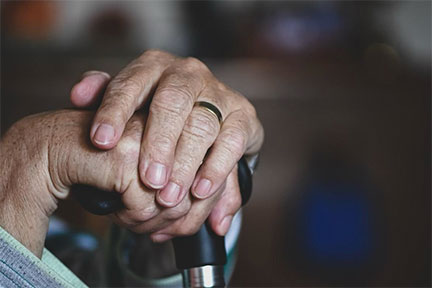
A senior-focused dermatologist does more than treat surface-level concerns, they understand the emotional and psychological importance of skin health. Chronic irritation, noticeable lesions, or discomfort can affect confidence and quality of life. A compassionate provider helps seniors feel seen, heard, and valued.
Personalized care ensures that treatment plans reflect the patient’s comfort, mobility, medical history, and daily routine. Seniors benefit from care designed not only to heal but to preserve their independence and dignity.
Selecting the right dermatologist for seniors requires careful consideration of experience, communication style, accessibility, and preventive care. With a knowledgeable and empathetic specialist, older adults can enjoy healthier skin, reduced discomfort, and early detection of potentially serious conditions.
By choosing a professional who understands the unique needs of aging skin, families help ensure that their loved ones receive the protection, comfort, and confidence they deserve throughout their later years.
Disclaimer: Content on SeniorLiving.com is for informational purposes only and is not a substitute for professional medical advice, diagnosis, or treatment. SeniorLiving.com does not endorse or recommend any specific dermatology provider, procedure, or service mentioned. Always consult a qualified healthcare professional regarding personal health decisions. SeniorLiving.com is not responsible for interactions with third-party providers referenced in this article.