
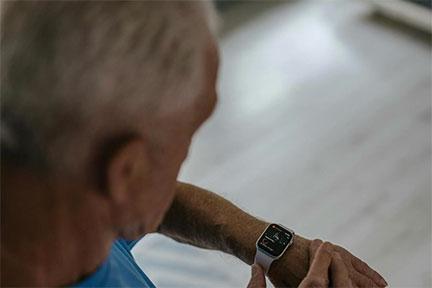
Fortunately, technology that once seemed daunting is now easier to use and more accessible, giving older adults the confidence and dignity they need to live their lives.
With the Lively app for seniors and other digital tools, it's easier than ever for older people to be secure, independent, and in touch with friends, family, and caregivers. As people age, it's important to maintain activity across all three areas: physical, social, and psychological.
1. Technology to Enhance Safety at Home
One of the best things about current technology for elderly people is that it makes them safer right away. According to the Centers for Disease Control and Prevention (CDC), more than one in four older individuals falls each year. Falls are a major source of injury among seniors.
Wearable technologies, automated alert systems, and smartphone apps all assist in lowering danger and ensuring support is always available when required. For instance:
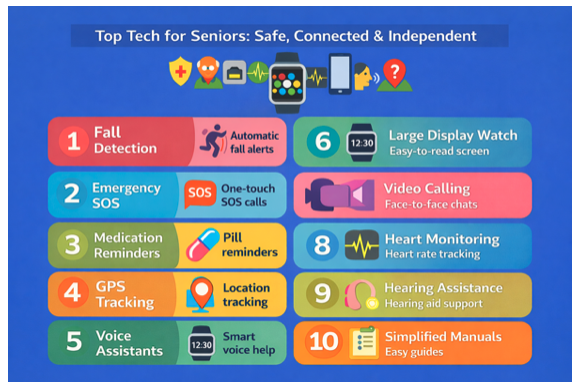
- Wearable alert buttons and necklaces: These gadgets generally have fall-detection functions that automatically alert emergency contacts or response centers when they detect a fall.
- Smart home sensors: Motion detectors, door sensors, and webcams that are connected to the internet can give caregivers real-time information about everyday activities and let them know if something appears off.
- Apps that have emergency contacts: With the Lively app for elders, you can save medical information, call emergency services, and send notifications with just one swipe. In an emergency, this level of digital readiness could literally save your life.
2. Maintaining Social Connections Through Simple Apps
For seniors, especially those who live alone, loneliness and social isolation are big difficulties. Studies have shown that lacking sufficient social contact increases the likelihood of developing conditions such as heart disease, depression, and memory loss.
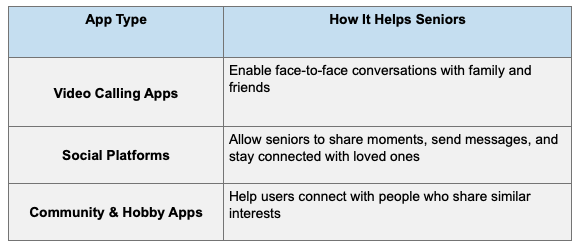
The good news is that there is technology older people can use without needing to know much about computers, yet still be able to communicate with others.
3. Health Monitoring Without Hassle
Chronic diseases like diabetes, heart issues, and arthritis become more widespread now. This means that taking care of your health is something you do every day.
Medication reminders help older people remember to take their medicine on time and on a regular basis, even when they forget.
Smart devices can track key health metrics such as heart rate, sleep, and activity. This makes it easy to see changes and respond quickly. Additionally, online medical exams are becoming increasingly widespread. This allows people to see a doctor from home and reduces the number of times they need to go in person.
4. Simplifying Everyday Tasks
One of the main reasons older people don't use technology is that it's so hard to use. That's why current tools are designed to be easy to use. For example, large fonts, simple menus, and voice-activated features make it easier for people to use technology without becoming frustrated.
Tech can make several routine chores easier:
- Shopping and banking online: Secure apps let older adults complete their errands from home, reducing travel and exposure to large crowds.
- Appointment reminders: Automated alerts on shared calendars help people remember doctor appointments, social events, and more.
- Navigation assistance: GPS and simplified map apps make it easier to plan travel and avoid getting lost, which is particularly reassuring for independent seniors who are still mobile.
5. Building Confidence and Reducing Stress for Caregivers
When family doesn't live close by, it's hard to see how a loved one is doing on a day-to-day basis. In such situations, technology can bridge the distance and provide a sense of security.
Certain devices and systems provide insight into basic daily activities, such as when someone gets up, how much they move, and whether things are normal, making it easier to notice changes over time.
If a problem arises, important information and alerts can be delivered immediately, giving added peace of mind to those who care. Plus, simple digital communication keeps everyone up to date and connected, even when they're physically distant.
6. Encouraging Lifelong Learning and Mental Engagement
Seniors can keep their minds active by learning to use new technology, testing new apps, and joining online groups. Here are some tech things you can do to keep your mind busy:
- Brain-training games: Easy apps with puzzles and memory games can be fun and helpful.
- Courses for learning: Many colleges and universities offer free or low-cost online courses for older adults.
- Virtual museum tours and cultural events: Two examples of digital experiences that enable you to see and do things you wouldn't be able to accomplish without leaving your home.
Conclusion
Technology does not replace, but rather enhances, human connection and care. Seniors can live safer, more connected, and independent lives thanks to simple tools like the Lively app.
As technology improves, it opens new ways to enhance the quality of life for people of all ages. The most important thing is to build tools that are easy to use, account for user needs, and integrate with real-world support systems. These new technologies make life better.
Source: Pexels