
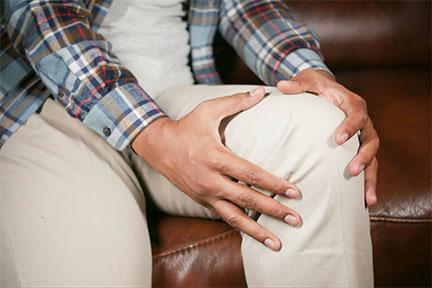
Joint pain doesn’t wait for permission. It shows up uninvited and tries to dictate the rhythm of your day. For older adults, it’s a constant negotiation with stairs, sidewalks, and even the garden.
But pain isn’t in charge; you are. With a few smart daily shifts, gentle movement, and the right kind of support, it’s possible to loosen the grip joint pain has on your routine.
Let’s go through what you need to know.
Pain Isn’t Always Just Aging: When to Call a Specialist
Many seniors assume that joint pain is a normal part of aging. However, there are red flags that suggest something more complex than wear and tear. If a joint is consistently swollen or visibly deformed, it may indicate an underlying inflammatory condition. Sudden pain that limits movement or disrupts sleep shouldn’t be ignored.
When stiffness lasts more than an hour after waking up or spreads to multiple joints, it’s time for a deeper look. A rheumatologist can evaluate whether the root cause is osteoarthritis, rheumatoid arthritis, or another autoimmune condition.
Specialists bring diagnostic tools and targeted treatments that go beyond over-the-counter relief. Early intervention can mean less joint damage over time and a better quality of life.
Reworking the Routine: Small Tweaks, Big Impact
Managing joint pain often comes down to small adjustments that make daily life easier without cutting into your freedom. Pushing through discomfort usually backfires; what works better is reworking your routine to lighten the load on your joints.
Grab a sturdy stool when you’re at the counter or sink so your knees don’t have to bear the brunt. Keep the things you use most at a comfortable height to skip the awkward reaching.
Swapping heavy cookware or laundry bins for lighter versions (or ones with wheels) can also go a long way in easing stress on your wrists and shoulders. These tweaks aren’t about slowing down. They’re about moving smarter.
Compression gloves or braces can help stabilize weaker joints during repetitive tasks, such as gardening or folding laundry.
The Right Kind of Movement Makes All the Difference
The idea of exercising with joint pain may sound like a contradiction, but inactivity is one of the fastest ways to lose ground. Gentle, low-impact routines are often the most effective way to support joint health and ease inflammation over time.
Swimming and water aerobics allow full-body movement without pressure on the joints. Chair yoga offers stretches and poses that improve flexibility and circulation while reducing fall risk. Simple walking routines, especially on even surfaces or using walking poles, keep the legs strong and mobile.
Diet and Supplements: Fuel for Function, Not Just Flavor
What you eat can shape how your body feels, especially when it comes to joint pain. For older adults, nutrition plays just as significant a role as any prescription in managing inflammation.
Adding more omega-3 fatty acids may help ease stiffness over time. Colorful fruits, such as berries and oranges, along with leafy greens, provide antioxidants that help your body manage the wear and tear that often comes with age. Ingredients like olive oil and turmeric aren’t just flavorful; they’ve also been linked to natural anti-inflammatory effects.
Lifestyle Habits That Quiet the Pain Long-Term
Joint pain tends to ease when your routine supports healing instead of aggravating wear and tear. Rather than chasing temporary relief, focus on daily habits that lower stress on your joints and encourage natural recovery.
Make sleep a priority. Your body does its repair work overnight. Pillows can help with alignment by supporting your knees or cushioning between your legs. Throughout the day, try not to stay in one position too long, whether you're at a desk or even in bed. Warm compresses in the morning can help with stiffness, while cold packs after activity may calm inflammation.
If you smoke, it’s worth reconsidering. Tobacco has been tied to slower healing and worsening joint issues. Drinking enough water also matters more than most realize, especially if you're on medications that increase fluid loss, since hydration plays a part in joint lubrication and overall function.
Figure Out Joint Pain Today
If joint pain has begun to shape your day-to-day, ignoring it isn’t your only option. Pay attention to what your body signals, respond in ways that work for your lifestyle, and when needed, seek care that looks at your full picture, not just the symptoms.