
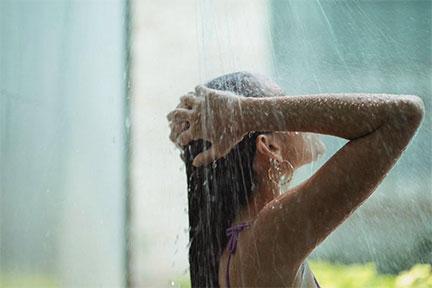
Every day, our bodies rely on minerals to support various functions. Water is a source of these minerals, yet it is a primary vehicle through which our bodies absorb nutrients. The mineral content of water can affect hair health in areas with hard water.
Hard water contains high levels of calcium, magnesium, and other mineral deposits that can impact hair texture and appearance. Check how these minerals interact with our hair to adopt better hair care practices.
What is Hard Water?
Hard water is characterized by elevated levels of calcium and magnesium ions. When hard water is used for washing hair, these minerals can build up on the hair shaft and scalp, leading to dullness, increased frizz, and dryness. The minerals in hard water can create a residue that inhibits moisture absorption, depriving the hair of necessary hydration.
Minerals are necessary for health, and an excess can be detrimental when it leads to build-up on hair. This buildup can contribute to scalp irritation and disrupt the natural oil balance, so that people in hard water areas need to explore effective hair care strategies. Many may opt for specialized shampoos and conditioners formulated to combat hard water effects, which can restore hair's natural shine and manageability.
At-Home Remedies for Hair Wellness
People are turning to various natural remedies for optimal hair health. Use mineral-rich waters for washing hair, which can provide benefits for those without access to proper filtration systems. These products can naturally bind to the minerals that cause buildup on hair, allowing for easier removal and leaving hair feeling smoother.
Another simple remedy involves rinsing hair with at-home ingredients. Exploring hard water hair treatment solutions that can use diluted vinegar or lemon juice, as both can restore the hair's natural pH level while breaking down mineral deposits. Implementing these remedies regularly can balance the effects of hard water so that hair retains its shine and vitality.
Seeking Professional Help
For those experiencing severe hair issues related to hard water, consulting a professional stylist or trichologist can open paths to tailored solutions. Professionals can assess hair type and conditions, recommending specific treatments that align with individual needs. Treatments may include professional detoxification procedures that eliminate build-up from hard water and restore your hair's natural hydration levels.
Regular appointments with a stylist can maintain the health of hair. Understanding how to work with hair and considering environmental factors for people seeking to boost their scalp wellness. A tailored approach will guarantee that individuals receive customized care based on their unique hair status and water quality challenges.
Mineral Imbalance and Hair Health
Mineral imbalances can create disruptions in our body's functionality. Micronutrients like zinc, iron, and selenium all maintain healthy hair. A deficiency or excess of these minerals can lead to hair loss and changes in hair texture. Zinc is a must for cell production and hair tissue growth: its deficiency can result in hair thinning.
Monitor mineral intake from water and dietary sources and consider the effect of hard water. Regular hydration with water rich in beneficial minerals supports hair growth and well-being, highlighting the need for individuals to understand their local water quality.
The Connection Between Water Quality and Hair
Water quality influences diverse aspects, including our health and hair. The pH balance of water can impact hair cuticles, which in turn affects shine and smoothness. Ideally, hair thrives in a slightly acidic environment. Hard water has a high pH, leading to raised cuticles that can cause tangling and breakage.
High mineral content can react with shampoos and conditioners, reducing their effectiveness. If hair products do not work well with the water used for washing, it may lead to a build-up of residue and further exacerbate issues like dryness. Understanding the relationship between hair and water quality can empower individuals to make informed choices and invest in more effective products.
The Impact of Chlorination and Fluorination on Hair
Chlorine is commonly used to disinfect municipal water supplies, but it can have adverse effects on hair health. When exposed to chlorine, hair may become dry, brittle, and lose its natural oils. Frequent exposure to chlorine can result in fading color treatments and even an increased risk of split ends.
Excess exposure to fluorination can potentially lead to dryness and irritation of the scalp, making hair care even more necessary. Adding additional filtering systems to remove chlorine from tap water can maintain hair vitality. Individuals should establish water filtration systems that target specific contaminants for a healthier showering experience that promotes hair wellness.
Natural vs. Synthetic Hair Care Products
Choosing hair care products maintains hair health for those affected by hard water. Natural hair care products use gentle, organic ingredients that can help counteract the adverse effects of hard water. They include nourishing minerals and oils that can help restore moisture and shine. Synthetic products may contain sulfates and harsh chemicals that can exacerbate damage or dryness associated with hard water.
Read labels carefully so that products align with personal hair needs and local water quality. The formulation should ideally include chelating agents, which soften water and eliminate mineral deposits that can accumulate in the hair.
Hydration is the Key to Healthy Hair 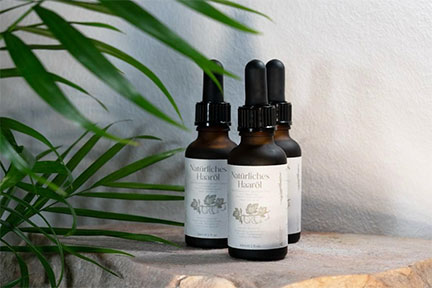
Internal and external hydration are the main ingredients of hair health. Using leave-in conditioners and hair masks can provide additional moisture to counteract the impact of hard water. Regularly deep conditioning hair can help mitigate damage.
Natural oils like argan oil or coconut oil seal moisture and provide various minerals known for improving hair strength and elasticity. People should recognize their hair's unique needs and adapt their care routines accordingly, taking seasonality and environmental changes into account. Hydrated hair looks shinier, feels softer, and is less prone to breakage.
The quality of water we use can greatly influence hair wellness. Addressing the challenges presented by hard water through appropriate treatments and adaptations can improve the look and health of our hair. By cultivating a deeper understanding of the interplay between water quality and hair health, individuals can adopt practices that nurture their hair.