
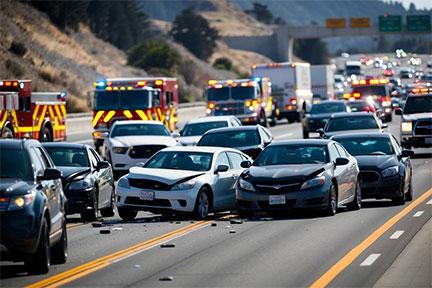
California's highways and roads are some of the busiest in the nation. With millions of vehicles traversing the state each day, the sheer number of vehicles, coupled with diverse driving conditions, contributes to a significant number of daily accidents.
On average, there are over 500 car accidents in California every day. This figure underscores the importance of traffic safety measures and awareness among drivers to help reduce collisions and improve road safety.
Various factors such as weather conditions, driver behavior, and road infrastructure play a crucial role in the frequency of these incidents. The statistics reveal the critical nature of vigilance and precaution to minimize risks on the road. For a deeper dive into California's traffic safety data, you can explore more insights available from the Office of Traffic Safety website.
Overview of Vehicular Accidents in California
Vehicular accidents are a significant concern in California, reflecting complex traffic conditions and diverse road networks. In 2020, California experienced 147,148 vehicular accidents involving fatalities and injuries. This included 3,672 fatal crashes and 143,476 injury crashes. This period saw higher fatal incidents compared to 2019.
The patterns observed in crash data can be analyzed through various factors such as road conditions, driver behavior, and vehicle safety measures. These insights are essential for policymakers working to improve roadway safety. For example, in 2021, nearly 52.9% of motorists involved in fatal accidents tested positive for legal or illegal substances.
Understanding the distribution and frequency of these accidents is crucial. The California Highway Patrol and other agencies regularly compile comprehensive reports that can guide interventions and safety campaigns. Data on specific crash factors and locations assists in identifying high-risk areas on California highways.
This information is not only pertinent for public awareness but also informs legal and insurance stakeholders. Law firms specializing in personal injury and accidents utilize this data to build informed cases, ensuring justice for affected parties. Legal professionals often rely on such statistics to bolster claims and support litigation proceedings effectively, aligning with state traffic safety goals.
Engagement from all stakeholders, including governmental bodies and accident law firms, is vital to enhance traffic safety across the state.
Daily Car Accident Statistics in California
California experiences a significant number of vehicle accidents daily. Based on reports from the California Department of Transportation (Caltrans), these incidents occur frequently on both urban and rural roads.
Various factors contribute to these accidents, including weather conditions, road layout, and driver behavior. The state's extensive network of highways often sees congestion, which can increase the likelihood of collisions.
Alcohol and substance use also play a significant role in traffic accidents. In 2020, instances where alcohol was involved in fatal collisions rose by 5.2%. This highlights ongoing challenges in addressing impaired driving's impact on road safety.
Young drivers, particularly those under 30, are disproportionately involved in accidents. Although they make up 20.4% of the licensed driving population, they contribute to a higher rate of collisions. This trend emphasizes the need for targeted awareness and educational campaigns.
In terms of protective measures, many accidents involve unrestrained occupants. From 2020 to 2021, there was a 12.4% increase in fatalities among those not using seatbelts. This statistic underlines the critical importance of seatbelt use for safety.
Statewide initiatives, such as the Traffic Injury Mapping System (TIMS), aim to provide valuable data for improving road safety measures. These efforts are crucial in reducing daily car accidents and enhancing public safety on California roads.
Common Causes of Car Accidents
Car accidents in California result from a combination of human behavior and environmental factors. Primary causes include distracted driving, driving under the influence, speeding, and adverse weather conditions.
Distracted Driving
Distracted driving remains a leading cause of car accidents in California. Drivers often engage in activities like texting, phone calls, or adjusting in-car entertainment systems while operating a vehicle. Such actions significantly increase the risk of collisions because they divert the driver's attention from the road. Statistics indicate that drivers using handheld devices are substantially more likely to be involved in accidents. Even hands-free devices can compromise driving focus, as they still require mental engagement. Public safety campaigns aim to mitigate these dangers by promoting awareness and encouraging drivers to remain attentive.
Driving Under the Influence
Driving under the influence of alcohol or drugs leads to a significant portion of accidents across the state. Intoxication impairs reaction times, decision-making, and overall vehicle control. In 2021, fatalities involving alcohol-impaired driving rose by 16% to over 1,300, as noted in California Traffic Safety Quick Stats. Though law enforcement conducts regular sobriety checkpoints and publicizes high-profile cases, instances persist. The zero-tolerance policy for underage drivers and strict penalties for offenders seek to reduce these incidents. Public education campaigns also stress the importance of designated drivers and alternative transportation options to keep impaired individuals from driving.
Speeding
Speeding notably contributes to the frequency and severity of car accidents. Drivers exceeding speed limits have less time to react to obstacles and increased stopping distances, raising the likelihood of severe consequences. The California Highway Patrol emphasizes that speeding is a factor in roughly one-third of all fatal crashes. In urban areas, speed limits are often exceeded in efforts to avoid traffic delays, adding to risk. Authorities use automated speed enforcement cameras and increased patrols as deterrent measures.
Weather Conditions
Adverse weather conditions can exacerbate existing roadway hazards, making driving more challenging. Rain can create slick road surfaces, decreasing tire traction and increasing braking distances. Fog and heavy snowfall further reduce visibility, complicating navigational efforts for drivers. Areas prone to such weather often see higher crash rates during particular seasons. The Office of Traffic Safety advises drivers to adjust speed according to conditions and ensure vehicles are well-maintained for optimal safety during inclement weather.
Impact of Car Accidents
Car accidents in California have far-reaching effects, altering lives through physical injuries, mental trauma, and financial burdens. Understanding these impacts is vital to grasp the true cost of road mishaps.
Physical Injuries
Car accidents can cause a range of physical injuries, from minor bruises to life-threatening conditions. Victims often suffer broken bones, whiplash, and traumatic brain injuries. These injuries can result in long-term disabilities requiring extensive rehabilitation.
Emergency services in California handle numerous cases where individuals need immediate care, highlighting the severe nature of many accidents. The recovery journey often demands a multidisciplinary approach involving physical therapy, pain management, and sometimes surgical interventions.
Victims must cope with physical impairments that can drastically change daily life, impacting the ability to work or participate in previously enjoyed activities.
Psychological Effects
The psychological impact of car accidents can be as significant as physical injuries. Many individuals experience post-traumatic stress disorder (PTSD), anxiety, and depression. The suddenness of a crash often leaves victims in shock, struggling with intrusive memories and emotional distress.
It's common for individuals to develop a fear of driving or riding in vehicles, severely limiting mobility. Counseling and therapy play crucial roles in addressing these psychological scars, helping individuals rebuild confidence and reassume control over their lives.
Support groups and mental health services offer invaluable assistance, providing spaces for individuals to share experiences and coping strategies. This mental healing process is essential for overall recovery.
Economic Cost
The economic cost of car accidents in California is substantial, affecting not just individuals but also the broader economy. Expenses include medical bills, vehicle repairs, and legal fees. For victims, lost wages due to injury-related absences from work add an additional financial layer.
Insurance premiums can rise significantly following accidents, impacting household budgets. The ripple effect touches businesses, government resources, and infrastructure maintenance. California dedicates substantial public funds to address these needs, from emergency response to road safety initiatives.
Staggering costs underline the necessity of preventive measures and effective policy implementations aimed at reducing accident rates and easing the associated financial burden on society.
Role of Accident Law Firms in California
Accident law firms play a critical role in guiding individuals through the complex legal landscape following car accidents. They offer expertise in handling insurance claims, ensuring victims receive fair compensation. By navigating legal procedures, they alleviate stress for clients overwhelmed by the aftermath of accidents.
One of the main responsibilities of these firms is to gather evidence, such as witness statements and accident reports. This process helps build a robust case for their clients. They also negotiate with insurance companies to secure settlements, avoiding prolonged litigation whenever possible.
Accident law firms in California also provide legal representation in court. Their skilled attorneys advocate for clients, presenting evidence and defending their rights. This representation is essential in cases where settlements can't be reached, ensuring victims receive the justice they deserve.
These firms offer expert advice tailored to each case. They inform clients about their rights, potential compensation, and the likely outcomes of their cases. By offering personalized guidance, they help clients make informed decisions throughout the legal process.
For individuals confused by legal jargon or procedural requirements, accident law firms offer a clear understanding. Their expertise demystifies the legal process, enabling clients to focus on recovery rather than legal complexities. In summary, an accident law firm is indispensable for accident victims in California, providing support, representation, and peace of mind.
Legislation Governing Road Safety
California's road safety regulations are designed to reduce accidents and promote safe driving. State traffic laws and penalties for traffic violations are key elements that encourage responsible driving among residents and visitors.
State Traffic Laws
California has implemented comprehensive traffic laws to ensure safety on the roads. These include laws regarding speed limits, seat belt usage, and driving under the influence (DUI). Speed limits are strictly enforced based on the type of road, with highways typically allowing higher speeds than residential areas.
Seat belt laws require all passengers to buckle up, significantly reducing injury risks in case of a crash. DUI laws are stringent, with a legal blood alcohol concentration limit of 0.08% for most drivers. These laws are further enforced by regular checkpoints and campaigns aimed at educating the public about the dangers of impaired driving.
Penalties for Traffic Violations
Penalties in California serve as a deterrent against breaking road safety rules. Traffic violations can result in fines, points added to the driver’s license, or even imprisonment, depending on the severity. For instance, speeding tickets come with fines that increase with the level of excess speed.
DUI offenses carry severe consequences, including license suspension, hefty fines, and potential jail time. Accumulated points from various violations can lead to increased insurance premiums and, in extreme cases, license revocation. Accident law firms frequently deal with cases where severe penalties are imposed due to serious violations that result in accidents, highlighting the serious implications of not adhering to traffic laws.
Preventive Measures Against Car Accidents
To reduce the occurrence of car accidents, effective strategies include widespread road safety campaigns and comprehensive driver education programs. These measures enhance public awareness and equip drivers with the skills needed to navigate roads more safely.
Road Safety Campaigns
Road safety campaigns play a crucial role in raising awareness among all road users. These initiatives focus on critical issues like drunk driving, speeding, and distracted driving. By employing media such as television, radio, and social platforms, these campaigns effectively reach a broad audience. They often highlight statistics from reports such as those by the CDC on motor vehicle crashes, underscoring the urgency of safe driving practices.
Educational materials are also an integral part of these campaigns. They inform drivers about the consequences of reckless behavior and the benefits of adhering to traffic rules. Partnerships with local enforcement agencies ensure the campaigns are supported by law enforcement measures, including sobriety checkpoints and speed monitoring. These combined efforts have shown success in reducing traffic-related injuries and fatalities.
Driver Education
Driver education focuses on teaching both new and experienced drivers essential road safety skills. These programs often cover defensive driving techniques, vehicle maintenance, and understanding traffic laws. By addressing human errors, such as distracted driving and speeding, education programs aim to minimize preventable accidents.
Moreover, practical driving tests offer hands-on experience, reinforcing theoretical knowledge. Some programs provide simulations to safely expose drivers to potential hazards and teach them how to respond appropriately. Regular refreshers and updates on new traffic laws ensure drivers remain informed throughout their driving careers, further promoting safety on the roads.
First Responders and Accident Management
Effective management of car accidents in California involves the crucial involvement of first responders. Their timely response and assessment on-site ensure that victims receive the necessary care and that the accident scene is maintained for investigations.
Emergency Services Role
First responders such as paramedics, police officers, and firefighters play a pivotal role when a car accident occurs. Their immediate priority is to secure the scene to prevent further harm. This involves directing traffic, stabilizing vehicles, and administering first aid to victims.
Police officers are vital for documenting the scene by gathering witness statements and taking photographs. This information is crucial for accident law firms handling subsequent legal processes. Firefighters, on the other hand, manage potential hazards like fuel leaks or fires.
Emergency medical technicians (EMTs) provide on-the-spot medical assessment and treatment. They evaluate the condition of the injured and administer necessary interventions. Quick transport to hospitals ensures timely medical attention, which can be life-saving.
On-Site Accident Assessment
Once the scene is secure, a thorough accident assessment begins. This involves evaluating the environmental conditions, vehicle positions, and any physical evidence. Such information helps reconstruct the accident, aiding law enforcement and legal professionals.
Police officers are tasked with creating detailed reports that capture the dynamics of the accident. Evidence collection is meticulous, often involving measurements and sketches. This process supports any legal claims or insurance settlements later on.
Involvement of accident law firms often begins early, utilizing the gathered evidence to advise their clients. Proper documentation by first responders ensures these firms have accurate details to build their cases. This collaboration helps achieve just outcomes for those affected by car accidents.
Insurance Claims and Disputes
Navigating insurance claims and disputes in California after a car accident can be complex. Understanding the steps in filing a claim and resolving disputes is critical for a smooth process. Engaging with resources like an accident law firm can provide valuable insights and assistance.
Filing an Insurance Claim
Filing an insurance claim after a car accident in California begins with promptly reporting the accident to the insurance company. Timely notification is essential to ensure coverage and avoid denial of claims. Essential documentation includes taking photos of the accident scene, obtaining a police report, and gathering witness statements.
Clear and detailed information about damages and injuries should be presented in the claim. Policyholders need to understand their coverage, such as property damage and bodily injury liability limits. California requires minimum liability coverage of $15,000 per person and $30,000 per accident. Engaging an accident law firm ensures claims are properly filed and managed, potentially avoiding common pitfalls like insufficient documentation.
Dispute Resolution
Disputes can arise when an insurance company denies a claim or offers a settlement that seems unfair. The insured can negotiate directly with the insurer, providing additional evidence or clarification to support their position. An appeals process is typically available within the insurance company, allowing for a formal reconsideration of the claim.
When internal resolution efforts fail, seeking assistance from an accident law firm may be beneficial. Attorneys can help navigate the complexities of insurance law and represent the policyholder in negotiations or litigation. Options include mediation or arbitration, both effective processes for reaching a fair resolution outside of court.
Recent Trends and Research
Recent data reveals that nearly 4,000 fatal car accidents took place in California in 2024. This substantial number positions California as the second-highest state for traffic-related deaths, closely following Texas. Factors contributing to this high fatality rate continue to be a significant area of investigation for traffic safety authorities.
A notable trend is the decrease in roadway deaths during the first half of 2024, as estimated by the National Highway Traffic Safety Administration. The data indicates an estimated 18,720 fatalities nationwide, marking a 3.2% reduction compared to the same period in 2023. This decline suggests some progress in efforts to enhance traffic safety.
The Office of Traffic Safety reports highlight alcohol-impaired driving as an ongoing issue. In 2021, these fatalities increased by 16% compared to the previous year. This trend underscores the importance of continued education and enforcement measures to combat impaired driving on California's roads.
Efforts to better understand and address these trends involve comprehensive analysis through various crash data tools and resources. These tools provide valuable insights, assisting policymakers and safety advocates in developing strategies to improve road safety and reduce accidents throughout the state.
Resources for Car Accident Victims
Car accident victims in California have numerous resources at their disposal to assist with recovery and compensation. Support from legal and non-profit organizations is crucial, and state programs can offer additional assistance with medical bills and legal matters.
Support Organizations
Various organizations provide aid to those affected by car accidents. Non-profit groups, such as Mothers Against Drunk Driving (MADD), offer emotional support and advocacy. They help victims navigate the aftermath of accidents and ensure their voices are heard. The American Automobile Association (AAA) provides guidance and resources on post-accident steps.
Legal support is also available. An accident law firm can offer free consultations and help victims understand their rights and the compensation process. Engaging with experienced attorneys ensures proper handling of claims and negotiations with insurance companies.
State Assistance Programs
California state assistance programs provide financial and legal support tailored to accident victims' needs. The California Victim Compensation Board helps cover medical expenses, therapy, and lost income. This relief can be crucial for those facing financial strain after an accident.
State departments, such as the Department of Motor Vehicles (DMV), offer resources on insurance requirements and driver safety. Additionally, the Governor's Office of Traffic Safety provides education and awareness campaigns to prevent accidents, benefitting both victims and their families by fostering safer roadways.