
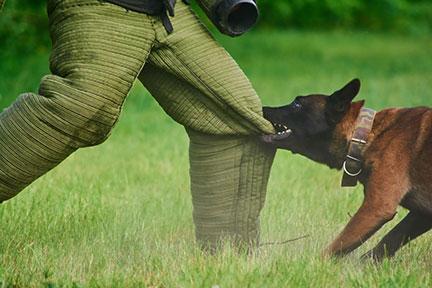
Dog bites can happen quickly and catch anyone off guard. For older adults, they can lead to bigger health concerns than many people realize. Thinner skin, slower healing, and chronic conditions can make even a small bite harder to treat.
If a senior is bitten, a calm, organized response can reduce the risk of infection and other complications. This guide covers what to do right away, when to seek medical care, and a few practical considerations that often arise afterward.
Why Dog Bites Can Be Riskier for Seniors
As we get older, the body may not bounce back from injuries as easily. Skin can tear more easily, and wounds often take longer to heal. That extra time creates more opportunity for infection.
Diabetes, poor circulation, and immune system issues can slow healing and make infections more serious. Dog bites can also cause falls, especially if the person is startled, pulled off balance, or trying to get away. A bite plus a fall can mean bruises, fractures, or a head injury.
Because of these factors, it’s smart to treat any dog bite involving a senior as something that deserves medical attention.
Immediate Steps to Take After a Dog Bite
Start by getting the person to a safe location away from the dog. If the dog is loose or acting aggressively, call for help and avoid trying to restrain the animal.
Once you’re safe, focus on the wound:
- Check the injury: Look for bleeding, punctures, tears, or signs that the bite is deeper than it appears.
- Rinse and clean gently: Wash the area with soap and clean running water.
- Control bleeding: Use a clean cloth or gauze and apply steady, gentle pressure.
- Cover the wound: A clean bandage helps protect it until a medical professional can evaluate it.
- Skip harsh products: Avoid alcohol, hydrogen peroxide, or strong antiseptics, as they may irritate tissue and slow healing.
If the bite is deep, won’t stop bleeding, or involves the face or hands, seek urgent care right away. When in doubt, it’s safer to get evaluated.
It can also help to write down a few details while they’re fresh, including the date, time, location, and what happened. If you’re in the Chicago area and want a straightforward overview of common next steps after a bite injury, including documentation and practical considerations, you can find general guidance at chicagodogbiteinjurylawyers.com. Medical care should stay the priority, but having clear information can reduce stress later.
When and Why Seniors Should Seek Medical Care
Even when a bite looks minor, a clinician should evaluate it. A healthcare provider can properly clean the wound, assess tissue damage, and determine whether stitches, antibiotics, or additional treatment are needed.
Two other issues often come up after dog bites:
- Tetanus: Depending on vaccination history and the type of wound, a tetanus booster may be recommended.
- Rabies risk: This depends on the dog’s vaccination status, whether the animal can be located, and local public health guidance.
The CDC provides additional bite-related safety guidance, including guidance on infection risks and when follow-up care is needed. Your medical provider and local health department can also advise based on your area.
Call a doctor right away if any of these signs of infection show up, especially within the first 24 to 72 hours:
- Increasing redness, warmth, or swelling
- Pus or drainage
- Fever or chills
- Worsening pain
- Red streaking near the wound
- New numbness or reduced movement near the bite area
Early treatment can prevent an infection from spreading and becoming much harder to manage.
Recovery Challenges Older Adults May Face
Healing can take longer for seniors, and recovery may affect everyday routines. Pain, swelling, and stiffness can make it harder to walk, cook, drive, or complete basic tasks. Some people need temporary help at home while their wounds heal.
Emotional effects are common, too. After a bite, some seniors feel nervous about walking outdoors, visiting neighbors, or being around dogs. That anxiety can limit activity and social time. Gentle encouragement, patience, and a plan for safe outings can help rebuild confidence.
If mobility changes after the bite, it’s worth reassessing fall risks at home. Simple adjustments like clearer pathways, better lighting, and supportive footwear can make a difference while healing.
Legal Considerations After a Senior Is Bitten by a Dog
Once medical care is underway, families often have questions about practical next steps. Dog bites can lead to unexpected costs, including urgent care visits, prescriptions, wound care supplies, follow-up appointments, and physical therapy if mobility is affected.
In many situations, the dog’s owner may be responsible for injuries caused by their pet, depending on local laws and the details of the incident. If questions come up, good documentation helps. Consider keeping:
- Photos of the injury over time
- Medical visit summaries and receipts
- Notes about when and where the bite happened
- Names and contact details for witnesses, if any
- Information about the dog and its owner, if available
How Caregivers and Family Members Can Help
Support from family or caregivers can make recovery easier. Practical help might include transportation to appointments, picking up prescriptions, preparing meals, and checking the wound daily.
Emotional support matters as well. Ask how the person is feeling about the incident and listen without rushing the conversation. If the senior is hesitant to go outside again, start small. A short walk at a quiet time of day can feel more manageable than jumping back into a busy routine.
If the bite caused a fall or led to new mobility issues, consider asking the healthcare provider about follow-up care, home safety recommendations, or short-term support services.
Staying Prepared and Informed
Dog bites can be upsetting, especially when they involve an older adult. Quick first aid, prompt medical care, and careful monitoring can reduce health risks and support recovery. With the right steps, seniors and families can move forward feeling more informed and more in control.