
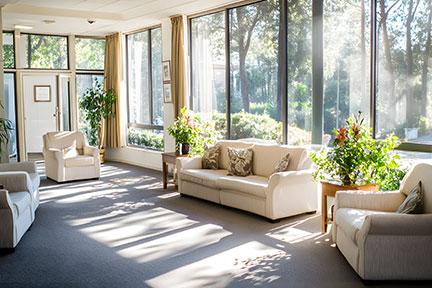
The experience of aging is deeply personal, yet the environments in which seniors live often fail to reflect the dignity, comfort, and autonomy they deserve. Traditionally, senior living communities have prioritized efficiency and safety over aesthetics, resulting in spaces that feel institutional rather than welcoming.
A growing movement in interior design is challenging these conventions, reshaping senior living environments to be both functional and enriching. Specialized interior design firms are leading this transformation, blending human-centered design principles with evidence-based research to create communities that support well-being, independence, and social engagement.
Human-Centered Design in Senior Living
At the heart of this transformation is human-centered design. Unlike traditional approaches, which focus primarily on operational efficiency, human-centered design starts with the residents’ experiences, needs, and preferences. Designers observe daily routines, interactions, and sensory experiences, seeking insights into how spaces can enhance quality of life. Elements such as lighting, color palettes, furniture placement, and accessibility are carefully considered to support cognitive and physical function.
Research in environmental psychology and gerontology consistently highlights the impact of thoughtfully designed spaces on senior well-being. For instance, natural lighting, clearly defined pathways, and visual cues reduce confusion and risk of falls for residents with cognitive impairments. Comfortable communal areas encourage social interaction, which is linked to reduced rates of depression and improved cognitive outcomes. By prioritizing residents’ needs over generic layouts, human-centered design fosters environments where seniors feel valued and at ease.
Balancing Safety and Comfort
Safety remains a cornerstone of senior living design, but it does not need to come at the expense of comfort or style. Specialized interior designers understand that residents benefit most from environments that are both secure and stimulating. Flooring materials, for example, are chosen to prevent slips while providing a warm, home-like texture. Furniture is selected for ergonomic support and ease of movement, without creating an institutional appearance.
Technology also plays a critical role in modern senior living communities. From unobtrusive monitoring systems to adaptive lighting and climate controls, designers integrate technology in ways that enhance autonomy rather than restrict it. Thoughtful layouts minimize obstacles and provide intuitive navigation, reducing anxiety for residents and making everyday activities more enjoyable. In this way, safety measures are seamlessly woven into the overall design, ensuring that seniors can move confidently and independently throughout their homes.
The Role of Social Spaces in Enhancing Well-Being
Social engagement is a vital component of healthy aging. Interior design can influence how residents interact and form connections, impacting overall quality of life. Designers focus on creating a variety of communal spaces, each catering to different levels of activity and social comfort. Cozy lounges encourage intimate conversation, while larger multi-purpose rooms host group activities, events, or exercise classes.
Outdoor spaces are equally important, offering opportunities for gardening, walking, or simply enjoying nature. Studies consistently demonstrate that exposure to natural environments reduces stress and promotes physical activity among older adults. By integrating indoor and outdoor experiences, designers create a continuum of spaces that support mental, emotional, and physical health.
Incorporating Personalized Elements
A defining feature of modern senior living interior design is personalization. Residents are encouraged to bring personal belongings, artwork, and memorabilia, which transform spaces into authentic extensions of their identities. Designers also consider cultural and generational preferences when selecting furniture, finishes, and color schemes, ensuring that each environment resonates with those who inhabit it.
Personalization extends beyond aesthetics to functional aspects as well. Adjustable lighting, modular furniture, and flexible layouts allow spaces to adapt to residents’ changing needs over time. This approach not only supports physical comfort but also reinforces a sense of control and agency, which is closely linked to emotional well-being in older adults.
Evidence-Based Design Strategies
Many leading senior living interior design firms apply evidence-based strategies, using research to guide every design decision. Studies in gerontology, occupational therapy, and cognitive science inform choices related to acoustics, lighting, wayfinding, and social interaction. For example, warm and varied color palettes can improve mood and orientation, while acoustically treated spaces reduce auditory stress and enhance communication.
These strategies are often implemented alongside continuous feedback from residents, staff, and family members. By observing how people use spaces and adjusting design elements accordingly, firms ensure that communities remain responsive to residents’ evolving needs. This iterative process reflects a commitment to both dignity and functionality, ensuring that environments are as supportive as they are inviting.
Collaborating with a Senior Living Interior Design Firm
Designing spaces that truly enhance the lives of older adults requires specialized expertise. A senior living interior design firm brings a deep understanding of the unique challenges and opportunities within senior communities. These firms combine knowledge of architecture, interior design, and aging-related research to deliver environments that balance safety, comfort, and aesthetics.
Collaboration is key. Designers work closely with healthcare providers, facility managers, and residents themselves to create spaces that meet diverse needs. The result is an environment that feels cohesive, welcoming, and functional, where each element contributes to the overall quality of life. Partnering with a specialized firm ensures that the design process is informed by expertise, research, and real-world experience in senior living.
Operational Agility and Modern Consumer Needs
The modern senior living industry is evolving rapidly, with residents and families seeking more than basic care—they want communities that foster engagement, well-being, and a sense of home. Interior design plays a pivotal role in meeting these expectations. Flexible layouts and multi-functional spaces allow communities to adapt quickly to changing operational requirements or resident preferences. Modular furniture, convertible dining areas, and adaptable activity spaces provide the agility needed to support a dynamic environment.
Furthermore, design choices influence operational efficiency. Thoughtful circulation patterns reduce staff workload, while strategic placement of communal areas encourages resident participation without constant supervision. By aligning design with operational goals, communities achieve a balance that benefits both residents and staff. This forward-thinking approach positions senior living communities to meet modern consumer demands while maintaining high standards of care.
Conclusion
The transformation of senior living environments reflects a broader shift in how society values aging. Specialized interior design firms are at the forefront of this movement, applying research, creativity, and empathy to craft spaces that honor dignity, promote autonomy, and enhance well-being. By integrating human-centered design, safety, social connectivity, personalization, and evidence-based strategies, these firms are creating communities that feel less like institutions and more like home.
As the population ages and expectations for senior living evolve, the role of thoughtful design will only grow more critical. Communities that embrace this approach not only improve residents’ quality of life but also set a new standard for what aging with dignity can look like. Investing in specialized interior design is not merely an aesthetic decision—it is a commitment to creating environments that support, inspire, and celebrate the lives of those who call them home.