
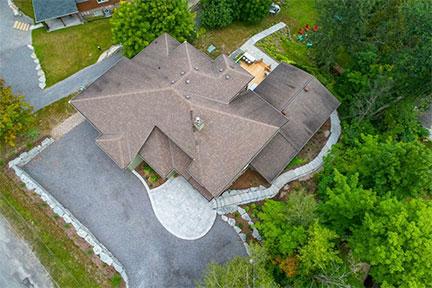
Creating outdoor areas that feel welcoming and calm can shape the daily experience for older adults in profound ways. Many seniors enjoy time outside yet need spaces that feel supportive, adaptable, and free from physical strain. Thoughtful planning helps transform patios, walkways, seating zones, and garden corners into places where relaxation comes naturally. A well-planned outdoor setting can lift spirits, inspire casual conversation, and make daily routines far more pleasant. Seniors often value moments in fresh air, gentle sunlight, and surroundings that invite slow, unhurried movement. With careful attention to layout, temperature comfort, shade, and stability, outdoor areas can become safe extensions of indoor living spaces. Families, caregivers, and senior community directors often seek designs that balance comfort with practicality, and this balance is fully attainable with the right approach.
Working with Patio Builders
Many senior communities and private homeowners turn to skilled patio builders when shaping safe outdoor areas. Clear communication matters when discussing surface height, furniture selection, and the kinds of features that simplify daily use. A conversation might flow smoothly when a trusted team guides the process, and a helpful reference point in the middle of planning comes from patiocontractorsindianapolis.com as crews focus on handrails, lighting choices, and the pace at which seniors move. Collaboration creates outdoor zones that fit individual lifestyles instead of forcing people to adapt to rigid designs.
Patio builders often draw on long experience with varied living arrangements, so they understand how to craft surfaces with gentle transitions and materials that feel steady underfoot. Time spent discussing needs leads to patios with shade structures that block intense heat, seating placed where seniors can rest comfortably, and walkways wide enough for mobility aids. The finished result gives seniors a sense of confidence whenever they step outside.
Designing for Mobility and Comfort
Comfort plays a large role in outdoor enjoyment for older adults. Surfaces should stay level, firm, and low-maintenance. Slight shifts in height can create challenges for individuals using walkers or wheelchairs, so gentle transitions reduce strain. Widened paths also give seniors enough space to turn, pause, or navigate without worry. When planning seating areas, sturdy chairs with supportive backs often make a difference. Cushions with gentle contours can reduce pressure on joints, and armrests help seniors rise without feeling unsteady. Placement of furniture matters as well. When seats face natural views, open skies, or social areas, seniors feel drawn to spend more time outside.
Shade must be part of any design plan, especially since older adults can be sensitive to sudden temperature changes. Pergolas, wide umbrellas, or solid overhead structures help control harsh sunlight. These features bring comfort during warm months and encourage outdoor time throughout the day rather than restricting it to cooler hours. Materials such as composite decking or textured pavers stay more comfortable underfoot and create a surface with reliable traction. Small details like this influence whether seniors feel safe walking outdoors.
Social Spaces for Community Connection 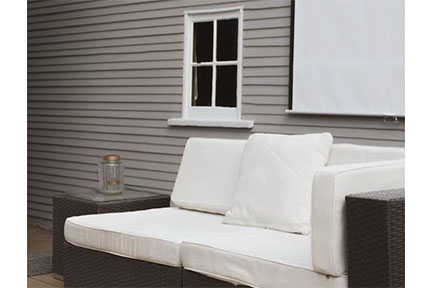
Outdoor areas can encourage social connection, which plays an important role in senior wellbeing. Courtyards with multiple seating groups give residents space to gather, chat, or play light games. Portable tables allow seniors to enjoy snacks, casual dining, or shared hobbies. Placing chairs in gentle semi-circles encourages conversation and reduces feelings of isolation.
Family visits often feel more relaxed when outdoor spaces are welcoming. Grandchildren can play nearby while seniors observe comfortably from shaded seating. Groups of friends can meet outside during the afternoon without feeling crowded or rushed. Natural surroundings spark conversation and help people ease into friendly interaction.
Safety Features That Support Independence
Safety plays a major part in designing outdoor areas for seniors. Railings along steps or gradual slopes provide extra support during movement. These features help seniors walk with confidence, especially during early morning or late afternoon hours when shadows appear longer. Slip-resistant surfaces reduce the chance of falls, and material selection should always favor stable footing.
Lighting contributes significantly to safety. Illumination along walkways, around seating, and near doorways should remain consistent. Seniors benefit from lights that avoid harsh glare and highlight potential obstacles. Solar-powered fixtures offer convenience and low maintenance, though wired lighting gives more reliability in communities where nighttime use is common.
Climate Adaptations for Year-Round Enjoyment
Outdoor areas gain value when seniors can enjoy them throughout much of the year. Communities in colder climates often add windbreaks, screened sections, or clear panels that block gusts while preserving outdoor views. Heated seating pads or modestly sized standing heaters help extend patio use into chilly mornings or late autumn afternoons. These heating solutions should be placed with caution, leaving wide areas for movement and avoiding direct contact with walker grips or chair arms.
Climate-conscious design also includes strategic placement of furniture. Chairs that sit under morning shade help protect seniors who prefer early hours, while afternoon shade structures encourage longer visits outside during warm parts of the day. These planning choices support outdoor routines regardless of season.