
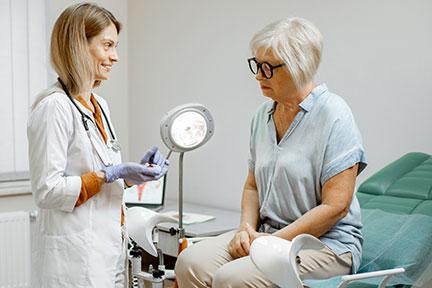
Navigating your reproductive health can sometimes feel like walking a tightrope. While routine checkups are essential, there are moments when it’s crucial to seek professional expertise sooner rather than later. Recognizing these signs can help you prioritize your health and well-being. Here are seven indicators that it might be time to book professional gynaecology consultations before your next scheduled checkup.
1. Unexplained Symptoms Are Persisting
If you’re experiencing unusual symptoms—such as prolonged pelvic pain, significant changes in menstrual cycles, or irregular bleeding—it’s vital not to ignore them. These might be signs of an underlying issue that needs attention. Consulting a specialist can shed light on these symptoms.
Often, women allow time to pass, hoping that discomfort will resolve on its own. Instead, a timely consultation can lead to early diagnosis and treatment, ensuring that minor issues don’t escalate into more complex problems.
While knowing when to seek help is important, finding the right professional is equally vital. If you're in need of specialized guidance, you might want to consider professional gynaecology consultations that offer tailored care to meet your unique needs
2. Family History of Gynaecological Conditions
Genetic predispositions play a significant role in reproductive health. If you have a family history of conditions like endometriosis, polycystic ovary syndrome (PCOS), or ovarian cancer, being proactive is essential.
Scheduling professional gynaecology consultations can provide tailored screenings and preventative measures suited to your family’s medical history. Armed with this knowledge, you can take informed steps towards monitoring and safeguarding your health.
3. Difficulty Conceiving
Struggling to conceive can be a sensitive issue, laden with emotional complexity. If you've been trying to get pregnant for six months or more without success, it might be time to consult a gynaecologist.
A specialist can provide a comprehensive evaluation to identify potential reproductive health concerns. This consultation can range from hormonal assessments to fertility testing, ensuring that any underlying issues are addressed swiftly. The journey to parenthood doesn’t have to be a solitary one; seeking expert advice can facilitate your path.
4. Changes in Sexual Health
Changes in your sexual health—including pain during intercourse, a decrease in libido, or abnormal vaginal discharge—should never be considered “normal.” Such changes could indicate infections, hormonal imbalances, or other reproductive health issues.
A gynaecologist can conduct assessments to determine the cause of these changes and recommend appropriate treatments or lifestyle alterations. Being open about sexual health concerns allows for a more satisfying and healthy intimate life.
5. Mental Health Struggles Related to Reproductive Health
Women’s reproductive health is intricately linked to mental health. Conditions such as premenstrual dysphoric disorder (PMDD) or postpartum depression require specialized care. If you’re battling emotional distress related to your menstrual cycle, pregnancy, or menopause, reaching out to a gynaecologist can help.
Professionals can provide not only medical insights but also holistic advice that includes mental health resources. Supporting your mind is just as important as supporting your body.
6. You’re Approaching a Transition Age
Whether you’re entering perimenopause or navigating new phases like postpartum recovery, these times can bring a cascade of physical and emotional changes. It's common to experience symptoms like hot flashes, mood swings, or irregular periods.
A gynaecological consultation can provide clarity and support. Professionals can guide you through these transitions, offering treatment options and lifestyle advice tailored to your unique health needs. Understanding that these life phases are normal and manageable can alleviate stress and anxiety.
7. Routine Health Has Been Overlooked
Life can get hectic, and routine health checks might slip through the cracks. If you haven’t seen a gynaecologist in over a year or have postponed appointments, it’s time to reassess.
Routine visits play a critical role in preventive care, including regular screenings for cervical and breast health. Professional gynaecology consultations can catch potential issues early on, but they can also serve as an educational resource for maintaining healthy habits as you age.
In conclusion, your reproductive health is crucial to your overall well-being, and recognizing these signs can empower you to take control of your medical journey. Whether it’s minor symptoms or major life transitions, engaging with a gynaecologist sooner rather than later can make all the difference.
Being proactive in your health not only fosters a better quality of life but also ensures that you feel informed and supported as you navigate various stages of womanhood. Don’t wait for your next scheduled checkup if you see any of these signs.