
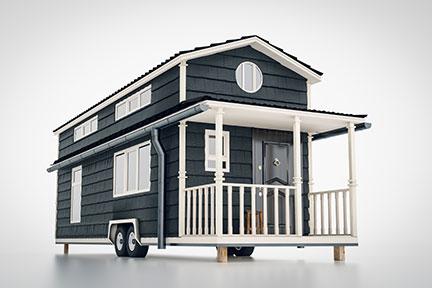
Mobile home ownership has long been marketed as an affordable way to retire comfortably. The pitch is simple: lower costs, smaller spaces, and low-maintenance living.
In reality, the financial picture can be much more complex. Lot rents have risen faster than Social Security benefits, while mobile home values steadily decline over time. Many seniors discover too late that what seemed like a smart housing choice can become a financial burden.
Understanding the most common mistakes can help seniors protect their savings and make better long-term decisions about their homes.
1. Not Calculating the True Cost of Ownership
Many seniors compare mobile homes to traditional houses and assume the same financial rules apply. A $60,000 price tag looks affordable, but it doesn’t tell the full story.
Lot rent often ranges from $400 to more than $1,000 per month, and those payments never stop. Unlike a mortgage that eventually ends, lot rent continues indefinitely and usually rises each year. Over ten years, $750 per month adds up to $90,000, more than the original cost of the home.
Add in insurance, utilities, park fees, and major repairs, and the total cost of ownership can exceed $150,000 over a decade. Meanwhile, the home itself is losing value. A mobile home purchased for $60,000 might sell for only $30,000 ten years later.
This happens because most buyers don’t get a clear picture of real market value before purchasing. Traditional appraisers rarely specialize in manufactured housing, and online listings can be misleading. The value of a used mobile home depends on factors that differ from conventional real estate, including lot ownership, foundation type, depreciation rate, and regional demand.
Understanding these numbers early helps seniors make realistic decisions about affordability and long-term cost. Getting an accurate estimate before buying or selling can prevent years of financial strain later on.
2. Ignoring the Impact of Rising Lot Rent
Rising lot rent is one of the biggest threats to financial stability for mobile home owners.
While Social Security cost-of-living adjustments average around 2 to 3 percent each year, lot rents often increase 5 to 10 percent annually. In many corporate-owned parks, rent jumps 20 to 30 percent within just a few years.
This gap squeezes fixed-income retirees. Each rent hike consumes a larger share of monthly income, leaving less for healthcare, food, or savings.
It also destroys resale value. When lot rent climbs past $800 or $900 a month, most lenders refuse to finance homes in those parks. That leaves only cash buyers, who usually offer much less.
Consider a home purchased in 2012 with $485 monthly lot rent. Twelve years later, after ownership changes, that same space could cost $975 a month. The homeowner now pays almost $12,000 a year and may be unable to sell.
Waiting for the rent situation to improve rarely works. Most large park operators follow planned rent increases to meet investor targets, not resident budgets. Recognizing this early and exploring alternatives can prevent long-term financial strain.
3. Over-Investing in Repairs on a Depreciating Asset
Many seniors invest heavily in repairs, assuming the upgrades will boost resale value like they would for a traditional home.
Unfortunately, manufactured homes don’t follow the same economics. Whether you install a new roof, remodel the kitchen, or replace the flooring, the market rarely rewards those improvements.
An $8,000 roof or $6,000 HVAC system might make the home more livable, but buyers typically won’t pay extra for those upgrades. Mobile home buyers are price-sensitive. They want affordability, not luxury finishes.
Owners who spend $20,000 or more on improvements often find the home’s value hasn’t changed much. The age of the home, lot rent, and overall depreciation weigh more heavily than the upgrades themselves.
If repair costs exceed 20 to 25 percent of your home’s market value, it’s time to reconsider whether the investment makes sense. It may be better to maintain the basics and plan for your next housing step instead of pouring money into a declining asset.
4. Waiting Too Long to Reassess the Situation
Hope and habit keep many seniors stuck in difficult financial positions. It’s easy to think rent hikes will slow down or that the market will rebound.
But every month of delay adds more cost. An $800 monthly lot rent means $9,600 spent in one year, and that money will never be recovered. At the same time, your home continues to lose value each year through depreciation.
A senior who waits three years to act could easily lose $25,000 to $30,000 in rent while the home’s value drops another $5,000 to $10,000.
By the time most owners decide to make a change, options have narrowed and losses have already accumulated.
The key is to treat mobile home ownership as a financial decision, not an emotional one. Review your housing costs annually, compare them to your home’s current value, and decide whether staying, selling, donating, or removing makes the most sense.
5. Not Knowing the Home’s Actual Current Value
Perhaps the most common and costly mistake is not knowing what the home is truly worth.
Many seniors rely on outdated information or emotional estimates. They remember the purchase price or what a neighbor once got for a similar home. But mobile home values change rapidly due to depreciation, local rent conditions, and park ownership shifts.
A home bought for $70,000 fifteen years ago might now be worth only $25,000. That reality changes everything about your financial picture.
Knowing your home’s true value helps answer critical questions. Does selling make sense, or would transaction costs eat up most of the proceeds? How many months of lot rent equal your home’s total value? Would you be better off removing or donating the home to stop ongoing costs?
Valuing a mobile home isn’t like appraising real estate. Land ownership, foundation type, and location can each shift value by 10 to 40 percent. It is essential to factor in the details that matter most to your situation.
Conclusion
These mistakes share a common cause: treating mobile homes like traditional real estate when they follow completely different financial rules.
For seniors, the best defense is clarity. Calculate your home’s current market value, add up all ongoing costs like lot rent, insurance, and maintenance, and compare those totals each year.
If your annual housing costs exceed 30 to 40 percent of the home’s current value, it may be time to explore other options. That might mean selling if there’s a strong market, donating for a tax deduction, or using a free removal program to end expenses immediately.
The goal is not to give up a home but to protect your financial security during retirement. Mobile homes can provide affordable living, but only when managed with accurate information and realistic expectations.
Your home should serve your comfort and stability, not drain your savings. With honest numbers and timely decisions, you can make sure it stays that way.