
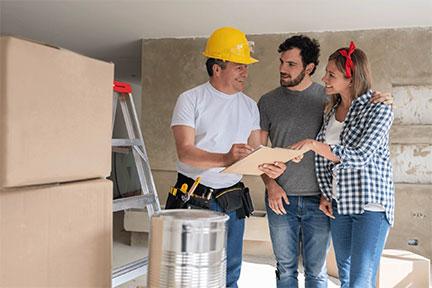
Hiring a contractor is one of the most important steps you’ll take when planning a home improvement project. Whether you’re renovating your kitchen, building a new deck, or remodeling your bathroom, the contractor you choose will directly impact the quality, cost, and timeline of your project.
The challenge? Not all contractors are created equal. A professional home contractor will communicate clearly, stay within budget, and deliver high-quality results—while others may leave you dealing with frustrating delays, unexpected cost overruns, and subpar workmanship.
The best way to avoid problems is to ask the right questions before you hire. These 10 questions will help you evaluate contractors, compare your options, and choose the one who’s the best fit for your project.
1. Are You Licensed and Insured?
This is the first and most critical question. A license shows that the contractor has met the state or local requirements to operate legally. Insurance—both liability and workers’ compensation—protects you from financial responsibility if there’s property damage or if someone gets hurt on the job.
Tip: Ask to see copies of their license and insurance certificates, and verify them with the issuing authority.
2. How Long Have You Been in Business?
Experience often equals expertise. A contractor who has been in the industry for several years has likely worked on a variety of projects and learned how to handle challenges along the way. While new contractors can be talented, longevity is often a good sign of reliability and consistent work quality.
3. Can You Provide References or a Portfolio of Past Work?
A reputable contractor should be proud to show their work. Ask for references you can contact and a portfolio—either digital or printed—of completed projects. Speaking directly to past clients can give you insight into the contractor’s work ethic, attention to detail, and ability to meet deadlines.
4. What Is Your Estimated Timeline for Completion?
Time is money—especially in construction. You should know upfront when your project will start, how long it will take, and what could potentially delay it. Some delays are unavoidable, like bad weather or supply chain issues, but a good contractor will explain how they handle such setbacks.
Tip: Ask them to outline the project schedule in writing.
5. Who Will Be On-Site Doing the Work?
Many contractors work with subcontractors for specific trades like plumbing or electrical work. It’s important to know who will be working in your home and whether the contractor will be there daily to oversee progress. Having a clear chain of responsibility helps keep the project on track.
6. How Do You Handle Permits and Inspections?
Many remodeling or construction projects require permits, and failing to get them can lead to costly fines and problems when you sell your home. A professional contractor should handle the process of obtaining permits and scheduling necessary inspections to ensure everything meets building codes.
7. What Is the Payment Schedule?
Avoid contractors who demand the full payment upfront. Instead, payments should be tied to milestones—such as completion of demolition, framing, or final installation. This keeps the contractor motivated to finish the work and gives you leverage if any issues arise.
Tip: A reasonable down payment is typically between 10–20% of the project cost.
8. How Do You Handle Unexpected Issues or Costs?
No matter how well you plan, surprises can happen—hidden water damage, structural problems, or material shortages. Ask your contractor how they address unexpected expenses and how they’ll communicate these changes to you. Getting this process in writing can prevent disagreements later.
9. Do You Offer a Warranty for Your Work?
A warranty demonstrates that the contractor stands behind their work. Ask what’s covered, how long it lasts, and the process for making a claim if something goes wrong. The warranty should be part of the written contract.
10. How Will You Communicate With Me Throughout the Project?
Good communication is essential for a stress-free renovation. Agree in advance on how often you’ll get updates and through which method—phone calls, emails, or in-person meetings. Regular check-ins can help you address concerns before they become big problems.
Bonus Question: Can You Provide a Detailed Written Contract?
While not on the main list, this is vital. A solid contract should include the scope of work, materials to be used, start and end dates, payment schedule, and warranty details. It’s your best protection if disputes arise.
Read the article: Best Types Of Roof Insulation For Your Home
Final Thoughts
Choosing a contractor isn’t just about getting the lowest bid—it’s about finding someone you can trust to bring your vision to life, stay within budget, and complete the work on time. By asking these 10 questions (and listening carefully to the answers), you’ll have a much better chance of avoiding headaches and enjoying a smooth, successful home improvement project.
Remember, the right contractor will welcome your questions, provide clear answers, and treat transparency as part of good service. After all, a great working relationship starts with clear expectations—and that’s the foundation for any successful build or renovation.