
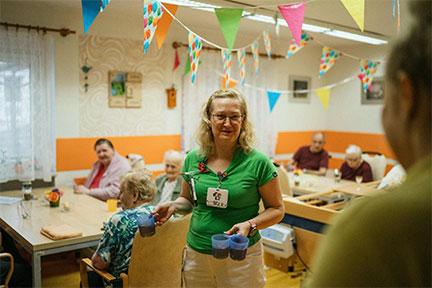
Growing older brings many shifts to daily life and personal routines. Preparing for changes ahead of time helps maintain a high quality of life for years.
Small adjustments in the home or schedule create a much safer environment for everyone. Strategic thinking today prevents many common struggles that might arise later on in life.
The Role Of Support In Daily Life
Managing a household becomes more difficult as physical strength or mobility changes over the years. Having a plan for help makes a huge difference in staying active. The foresight allows seniors to enjoy their retirement years without constant worry about minor chores.
Daily routines often require more effort as mobility decreases. Families find that senior companion services provide a helpful balance between independence and safety. Assistants help with light chores or simply offer conversation to brighten the day.
This type of assistance allows people to stay in familiar surroundings for a longer period. It reduces the pressure on family members who might live far away from their loved ones. Peace of mind comes from knowing someone is there to help.
Staying In Familiar Surroundings
Most people prefer to stay in their own houses as they grow older. The familiar environment provides comfort and a deep sense of belonging that is hard to replace. Remaining in a known neighborhood helps maintain local social ties and friendships.
A survey from AARP in 2024 found that 75% of adults aged 50 and older want to remain in their current homes. Making it possible requires looking at the physical layout of the building early. Planning for future needs makes staying at home a realistic option.
Widening doorways or adding ramps can transform a space for better accessibility. Changes are worth the effort for the peace of mind they provide to the whole family. Investing in the home now protects the ability to live there safely.
Understanding Global Aging Trends
The population is changing across the world as medical care improves and life expectancies increase. The shift means more resources are being directed toward senior care and infrastructure. Governments and the private sector are adapting to the new reality.
Statistics from the start of 2025 showed that people aged 65 and over made up 22.0% of the population in the European Union. Numbers highlight the growing need for specialized services and housing. Planning for trends helps communities better support their older residents.
Societies are adapting to meet the needs of the demographic through new technologies and services. Modern tools help people track their health from the comfort of their living rooms. The global shift emphasizes the need for personal preparation and foresight.
Keeping Safety At The Forefront
Safety risks in the home often go unnoticed until a fall or accident happens. Simple upgrades like better lighting or grab bars make a home much more secure. Taking a proactive approach prevents injuries before they have a chance to occur.
A report from the U.S. Department of Justice mentioned that over 10 percent of adults over 60 in the U.S. face abuse annually. Proper planning includes choosing trustworthy caregivers and keeping legal documents updated. Protecting oneself from financial or physical harm is a major part of aging well.
Monitoring health and wellness regularly helps catch issues before they become emergencies. Checking in with professionals helps everyone feel more confident about the living situation. A safe home is the foundation for a happy retirement.
Preventing Accidental Falls
Falls are a leading cause of injury for those living alone in the community. Removing trip hazards like loose rugs or cluttered hallways is a priority for home safety. Every room should be evaluated for potential dangers.
One study from the CDC noted that an older adult is treated in an emergency room for a fall every 11 seconds. Using non-slip mats in the bathroom and installing sturdy railings can prevent falls. Simple fixes save lives and preserve independence.
Regular exercise helps by improving balance and coordination. Strong muscles act as a natural defense against losing one's footing. Simple activities can help:
- Walking daily in the neighborhood.
- Practicing light stretches in the morning.
- Attending balance classes at a local gym.
Managing Long-Term Care Needs
Transitioning to specialized facilities requires a deep understanding of the care levels provided. Safety and well-being are the primary goals for residents in these environments. Knowing what to look for helps families make the best choice.
In the 2024-2025 period, around 17% of long-term care residents had a fall in the month before an assessment, according to a health data organization. The statistic shows the value of constant monitoring and high staffing levels. Professional care provides a safety net that is hard to replicate at home.
Staffing levels play a huge role in the quality of care provided to seniors. Families should ask about ratios when touring different locations. A well-staffed facility offers a more personal and safer experience for every resident.
Financial Planning For Home Care
Costs for professional assistance can vary greatly depending on the level of care needed. Planning the budget early helps avoid financial surprises later in life. Understanding numbers allows for more informed decisions.
A survey by Genworth and CareScout found the median annual cost of a home health aide reached $77,792 in 2024. The figure shows why insurance and savings plans are such a big part of the process. Having a financial strategy in place reduces stress for the entire family.
Government programs and local grants might provide some relief for those on a fixed income. Researching options early provides a clear path forward. Financial health is just as critical as physical health during the golden years.
Fighting Loneliness And Isolation 
Social connections are just as significant as physical health for long-term wellness. Staying active in the community helps keep the mind sharp and spirits high. Regular interaction with others prevents feelings of being left behind.
Research from Michigan Medicine found that 33% of older adults felt lonely some of the time or often during 2024. Joining local clubs or visiting senior centers provides much-needed interaction. Making a plan for social activity is a key part of staying healthy.
Technology can bridge the gap between family members who live in different cities. Video calls and messaging apps help everyone stay in touch easily. Maintaining bonds is a simple way to improve daily life.
Taking the time to plan for the future makes the aging process much smoother. It provides a foundation of safety and comfort that benefits everyone involved. Steps lead to a more fulfilling and secure way of life.
Making choices today helps maintain independence for years to come. Thoughtful preparation is the best way to live with confidence and dignity. Every small step taken now builds a brighter and safer future.