
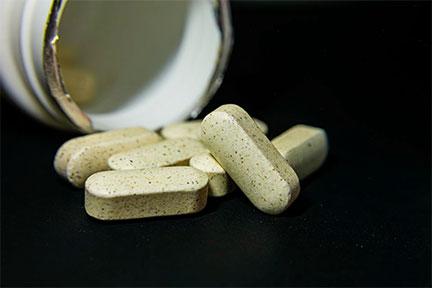
You can spot the difference between a careful product and a sloppy one in small details. A clean lot number, a clear expiration date, and a label that does not dodge questions. Those are not marketing flourishes, they are signs of a controlled process.
Many older adults take supplements alongside prescriptions, so “close enough” can feel risky. That is why it helps to know what good manufacturing looks like in real life. A lot of that work happens long before the bottle hits a shelf.
It is also where companies that make supplements for other brands come into play. When a label says the product is made by a contract manufacturer, the quality system at that facility matters. A manufacturer like Superior Supplement Manufacturing is part of that behind the scenes chain, so the standards they follow shape the final product.
What “Standards” Actually Control Behind The Scenes
Manufacturing standards are not about fancy equipment alone, they are about repeatable steps. They define how raw materials are received, checked, stored, and tracked. They also define how each batch is blended, filled, packaged, and reviewed before release.
For supplements in the United States, “current good manufacturing practices” are a core baseline. They focus on identity, purity, strength, and composition, which are the words that decide whether a capsule matches its label. The FDA keeps a plain language overview that helps explain how supplement rules work in practice:
If you have ever compared two bottles of the same vitamin from different brands, you have seen why this matters. One may upset your stomach while the other feels fine. That gap can come from dose accuracy, ingredient quality, or how the product was handled.
A solid quality program usually covers a few non glamorous but important controls:
- Supplier checks for incoming ingredients, including documentation and verification testing
- Written batch records so the same formula is made the same way each time
- In process checks to confirm weight, capsule fill, and tablet hardness meet targets
- Release testing to confirm the finished lot meets specifications before shipping
None of this guarantees a supplement is right for you medically. It does mean the product has a better shot at being consistent from bottle to bottle.
Identity And Purity Testing Are Not Optional Details
Two ingredients can look similar and still be very different. Powdered herbs and plant extracts can be confused, substituted, or diluted if nobody checks. Identity testing is the step that confirms an ingredient is what the paperwork claims.
Purity testing is the other side of the same coin. It looks for things you do not want, such as heavy metals, microbes, or residue from solvents. The test menu varies by ingredient, which is why a blanket promise like “lab tested” is not enough.
This is where supplement choices can affect older adults more sharply. People often manage multiple medications, and the body can respond faster to unexpected dose changes. If supplements are part of your routine, it helps to keep an updated list with your medication notes, similar to the approach used when you track and organize meds at home.
Testing also supports more than safety, it supports truth in labeling. If a label says “500 mg,” a quality system should confirm that amount with validated methods. If it cannot, the product should not ship.
When you read about common supplements used later in life, like calcium, vitamin D, or B12, the practical question is not only “should I take this.” It is also whether the bottle is accurate and consistent. That is part of why many people start with a conservative list, like these supplements and vitamins for seniors, then discuss gaps with a clinician.
Certifications Can Signal Process Quality, Not Magic
Certifications are easy to misunderstand, so it helps to treat them as process clues. Some programs focus on facility controls, while others focus on product verification. A seal is not a guarantee of results, but it can be a sign that third parties have reviewed parts of the system.
You will see a mix of certification types in the market. Some relate to food safety style programs, some relate to organic handling, and some relate to audits for good manufacturing practices. There are also marks that aim to confirm label accuracy through independent testing programs.
It is worth slowing down here, because labels can blur lines. A certification might apply to the facility, the label claim, a single product line, or a specific ingredient source. If the label is vague, that is information too. Another good reality check is the NIH Office of Dietary Supplements, which explains how supplements are regulated and what companies are responsible for.
If you notice a manufacturer mentioning programs such as NSF, TGA, or USDA Organic, the useful question is, “What part of the operation does that cover.” A credible company should be able to explain whether the certification applies to the facility, the process, or the product category. Clear answers are usually a sign of mature quality systems.
Label Reading That Helps In Real Life
A supplement label can be clean and still be unhelpful. The goal is to find a few details that connect to quality controls and practical safety. These details are not exciting, but they help you avoid the worst surprises.
Start with the Supplement Facts panel, then look around it for traceability and warnings. If you are helping a parent or partner, it can help to review labels the same way each time. A simple pattern lowers the chance you miss something.
Here is a short label checklist that tends to pay off:
- Lot number and expiration date shown clearly, not hidden in tiny ink
- Full ingredient list including capsule materials and added flavors or sweeteners
- Serving size and dose clarity that matches how you would actually take it
- Allergen notes if you are sensitive to soy, dairy, gluten, or dyes
Then look for language that tries to dodge precision. “Proprietary blend” is a common one, because it can hide exact amounts. It is not always wrong, but it does raise the bar for trust.
Finally, treat “natural” as a style choice, not a safety claim. What matters more is whether the product is made under a controlled system and tested against specifications. If you are balancing supplements with prescriptions, bring the bottle or a photo to appointments so interactions can be discussed in context.
A careful approach is not about fear, it is about reducing guesswork. When the label is clear and the manufacturing story holds together, the product becomes easier to evaluate.
You do not need to memorize regulations to shop smarter. Look for traceability, dose clarity, and signs of real quality control, then keep your clinician in the loop when supplements change.
A Simple Way To Choose More Carefully
Manufacturing standards matter because they reduce guesswork. They help confirm the ingredient is real, the dose is consistent, and the batch can be traced if a problem shows up later. That is a different level of confidence than a pretty label or a trendy claim.
For older adults, this becomes even more practical when supplements sit next to prescriptions and chronic condition care. A bottle that lists a lot number, clear dosing, and complete ingredients gives you something concrete to evaluate. When you pair that with credible third party testing and a brand that can explain its process, the decision feels less like a gamble.
Photo by Odin Mcraig
Disclaimer:
This article is for informational purposes only and is not medical advice. SeniorLiving.com may receive compensation from the supplement manufacturer featured. These products have not been evaluated by the FDA and are not intended to diagnose, treat, cure, or prevent any disease. Always talk with your healthcare provider before starting a new supplement, especially if you take medications or have a medical condition.