
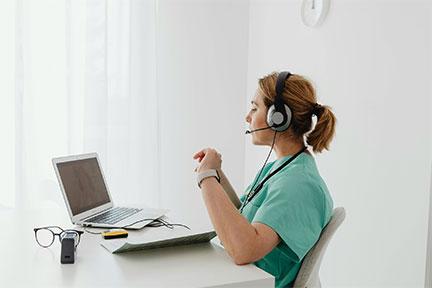
For a long stretch of time, healthcare for seniors moved along a steady track. Folks made their way to the clinic, waited for their turn, spoke with a provider, then headed home, hoping they remembered every instruction. It was the system everyone knew, and in many places it still works well enough.
What has changed is the range of tools that can now reach people who prefer the comfort of home. Tablets, phones, and simple monitoring devices have opened a new lane of care that feels more flexible and far less draining.
Support no longer depends on the ability to travel across town. When support is easier to reach, people use it more often. Telehealth is giving seniors that kind of access, and it is reshaping how families think about aging in place.
Convenient Care That Fits Daily Life
Many families exploring virtual visits come across resources that explain how these systems are built, such as telemedicine app development services. The point is not the technology itself, but how simple and reassuring it can feel once everything is set up. Seniors can schedule a check-in with a primary care provider, talk through symptoms, or get medication guidance at a time that suits them. The screen becomes a familiar door to their care team.
This kind of access matters for older adults who prefer to limit travel. Even short trips can feel exhausting when mobility is changing or the weather creates risks. A video visit reduces strain. It also keeps communication steady. Minor problems can be addressed before they grow into larger ones. That kind of early attention often helps prevent emergency room visits.
Virtual care is beneficial for chronic health needs. People managing blood pressure, diabetes, COPD, or heart conditions often face frequent monitoring. Remote check-ins let providers track readings and adjust treatment plans without pulling seniors away from home. Many describe a sense of relief when they can send data through a device and receive feedback on the same day.
Support for Independence
Aging in place works best when the right safety net is in place. Telehealth forms part of that net. Regular contact with medical staff can reassure seniors that someone is paying attention to their health, even on quiet days. The conversations are often shorter and more casual than in-person appointments, which reduces stress and encourages open communication.
Helping Caregivers and Providers Stay in Sync
Family caregivers often juggle work, transportation, and daily check-ins with their loved ones. Telehealth gives them room to breathe. They can join video visits from wherever they are, hear the provider’s recommendations, and make sure nothing is missed. The shared conversation reduces miscommunication and helps everyone stay aligned on medication changes or symptoms to watch.
Care teams also benefit from clearer communication. Secure messaging systems make it easy to send updates or request advice without long phone waits. Providers can review notes and readings in one place. This helps them respond quickly and ensures that care plans stay up to date.
Choosing the Right Tools
Families who are comparing telehealth options often prioritize ease of use. Seniors need devices with clear instructions and simple navigation. Large icons, readable text, stable volume controls, and uncluttered screens help reduce frustration. Before committing to a service, it helps to try a test call with the senior to see how comfortable they feel.
Security is another priority. Health information should stay private. Look for platforms that use secure logins and encrypted communication. Ask providers about how they protect data and how long information is stored.
Reliable support also makes a difference. Seniors should have access to someone who can walk them through common issues, such as audio problems or trouble joining a call. Some families choose services with live support, while others set up a trusted relative to help. Either approach can work as long as the senior feels confident using the system.
It also helps to check whether the platform connects smoothly with the senior’s existing care providers. When everything links together, there is less risk of duplicated records or missed details.
A Helpful Path to Aging in Place
Telehealth is giving seniors more control over their health and more comfort in their homes. It opens the door to timely care and steady communication. With the right tools and a little support, older adults can maintain independence without losing connection to their care teams. Families gain peace of mind, and seniors gain a practical path to living the way they choose.