
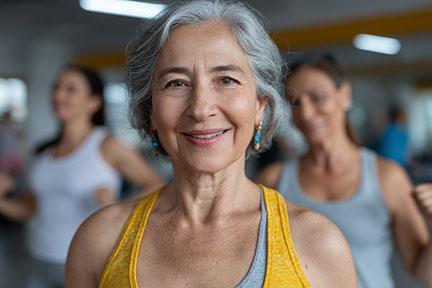
After 60, staying active usually stops being about pushing limits and starts being about staying comfortable in your own body. The most sustainable routines are the ones that fit easily into the day, not the ones that require planning, gear, or willpower. When movement feels reasonable and familiar, it tends to last.
Low-impact activity supports balance and joint health in ways that show up quietly. Getting up from a chair feels easier. Walking across uneven pavement feels steadier. Carrying groceries doesn’t require as much recovery time. There’s also the social side of movement, which often matters just as much. Activities that get people out of the house and around others can change the shape of a day.
The most successful habits tend to be simple. They leave room for rest, adjust to changing energy levels, and feel like part of life rather than something added on.
Walking and Gentle Outdoor Movement
Walking is often underestimated because it’s so familiar. That’s exactly why it works. It doesn’t require new skills or specialized equipment, and it scales easily. A short walk after breakfast counts just as much as a longer loop through the neighborhood.
Time outdoors adds subtle benefits. Curbs, cracked sidewalks, and gentle inclines activate stabilizing muscles that don’t get much attention indoors. Light and fresh air tend to improve mood, and many people sleep better on days they’ve spent some time outside. Even brief walks break up long stretches of sitting, which makes a real difference over time.
Walking also fits naturally into social routines. Some people walk with a neighbor every morning. Others turn it into a standing evening habit with a partner. In many communities, small walking groups form without much organization at all. The appeal is its flexibility. Walking bends to real life rather than the other way around.
Water-Based Exercise and Swimming
Water changes the rules. Movements that feel stiff or uncomfortable on land often feel easier once the body is supported. That’s why pools are popular with older adults dealing with joint pain or a limited range of motion.
Swimming and water exercise build strength without the usual strain. Resistance comes from the water itself, which works muscles evenly and gently. Over time, this helps support posture and joint stability. The Centers for Disease Control and Prevention reinforces the value of this kind of steady, low-impact activity in its recommendations for older adults.
Pools are also social spaces. Regular class times create familiar groups. People chat before getting in, compare notes afterward, and notice when someone hasn’t been around for a while. That sense of routine can be just as motivating as the exercise.
Group Fitness Classes for Balance and Flexibility
Group classes offer something many people don’t want to manage on their own: structure. Yoga, tai chi, and chair-based classes focus on slow, controlled movement and body awareness. These aren’t flashy workouts, and that’s part of the appeal. The emphasis is on steadiness and control rather than speed or endurance.
Over time, this kind of movement builds confidence. People become more aware of how they shift weight, how they stand, and how they move from one position to another. Those skills carry over into everyday tasks and reduce hesitation.
Enjoyment matters here. Motivation tends to last longer when movement feels social and familiar, and fun activities that enhance your senior life often share that trait. Showing up to the same class each week creates a rhythm. Faces become familiar. Small conversations turn into friendships.
Pickleball as a Social, Low-Impact Option
Pickleball works because it doesn’t demand much upfront. The court is small. The pace is manageable. The rules are easy to pick up. For people who enjoy games but want something easier on the body, it often clicks quickly.
The social side takes care of itself. Most games are doubles, so you’re moving and engaged without having to run down every shot. Between points, people talk, tease, swap a tip or two, and shrug off the occasional whiff. When the same faces keep showing up at the same time each week, the court starts to feel less like a competition and more like a standing hangout.
Equipment can shape the experience more than people expect. A paddle that feels stable reduces strain on the hands and wrists and makes control easier at the net. The Engage pickleball paddles collection is a solid reference point for paddles designed with comfort and feel in mind. Grip size and weight matter, especially for players dealing with stiffness or shoulder fatigue.
Todd Skezas, CEO of Pickleball Nation, describes the appeal simply: “Pickleball works because it meets people where they are. You don’t need years of experience to enjoy a good game. You just need the right setup and a willingness to move.”
Within a broader mix of activities, pickleball fits comfortably alongside walking, swimming, or group classes rather than replacing them.
Dancing and Movement-Based Social Activities
Dance often reaches people who avoid traditional exercise altogether. Music changes the experience. Movement feels expressive rather than prescribed. Whether it’s ballroom, line dancing, or casual movement at home, dance supports balance and coordination through repetition and rhythm.
It works the brain, too. Keeping track of steps, matching the beat, and syncing with others gives your mind something to focus on. For many older adults, that mix of music and movement feels refreshing rather than exhausting.
Social connection comes naturally. Dance invites interaction and shared moments. For people who enjoy music and community, it can become a reliable way to stay active without feeling like a workout.
Choosing the Right Activity After 60
The best activity is usually the one that feels realistic. Comfort, energy, and enjoyment matter more than intensity. Paying attention to how the body responds after a session often says more than any guideline.
Trying a few options is the quickest way to figure out what actually fits. Some people love a quiet daily routine; others stay consistent when there’s a class schedule and a few familiar faces. The practical stuff matters, too. Supportive shoes, a comfortable grip, and the right gear for the activity can take the edge off and make movement feel easier.
Variety often helps activities stick. Mixing movement types keeps things interesting and supports the body in different ways.
Bringing It All Together
Staying active after 60 tends to work best when it becomes part of daily life. Small routines add up. Walks become habits. Classes turn into standing appointments. Games become social anchors.
There’s no perfect formula. Bodies change, interests shift, and energy fluctuates. The goal is to find movement that feels supportive and worth returning to. When activity feels comfortable and shared, it tends to last.