
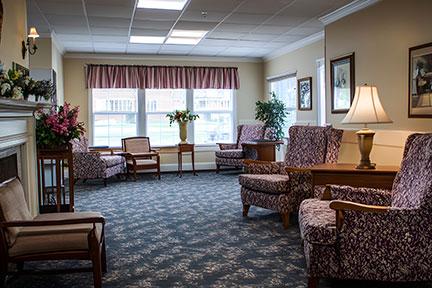
A pristine visual appearance in your aged care facility can be a dangerous illusion. The corridors may shine and the reception smells “clean,” yet a microscopic ecosystem can persist in the very fibers meant to keep residents comfortable.
Whether you operate in the U.S., Australia, or elsewhere, the infection-control principles are universal—but local regulations, survey expectations, and product labels still govern what you can claim and use.
The standard janitorial routines many facilities depend on—vacuuming, spot cleaning, and scheduled extraction—can fall short against pathogens that are built to endure, including Clostridioides difficile.
When soft-surface maintenance is treated as purely aesthetic, flooring can unintentionally become part of the transmission pathway rather than a barrier to harm.
Your Rugs Look Clean, Still Seed C diff
The cosmetic “clean” of a textile floor covering does not reliably reflect its biological risk. Carpet and rug pile can physically protect microscopic material, and spore-formers can persist despite routine cleaning products that are not designed to be sporicidal.
The Asymptomatic Seeding Cycle
It’s tempting to assume infection risk is limited to isolation areas, but spores move. People who are colonized or otherwise not actively symptomatic can still contribute to environmental contamination, and spores can persist on surfaces for weeks to months. Those “clean-looking” rugs can become quiet reservoirs until traffic, walkers, or wheelchair wheels disturb what’s embedded.
Why Spores Survive Months
C. difficile spores are biologically optimized to last. Their protective spore coat increases resistance to drying and many routine detergents, and when spores settle deeper into the pile and backing, they’re harder to remove mechanically. That “depth advantage” can preserve viability long after the original shedding event, especially when cleaning focuses on what’s visible.
The "Clean" Illusion Trap
Visual inspection is a weak proxy for hygiene. A rug can pass a walk-through and still hold enough contamination to contribute to transmission—particularly in settings with high-risk residents and frequent antibiotic exposure. The mindset shift is simple but critical: from “looks clean” to “measurably reduced bioburden,” using methods that match the organism and the surface.
The 41% Floor Touch Reality Nobody Audits
You may rigorously audit hand hygiene, but do you audit what touches the floor? A 2017 study in the American Journal of Infection Control highlighted a practical reality in care and hospital-like environments: “high-touch” items frequently end up on the floor, where they can pick up contaminants and bring them back into the patient zone.
The study reported that in 41% of rooms, at least one high-touch object was in direct contact with the floor—creating an easy bridge for pathogens to move from flooring to hands and then to faces and devices:
- Personal items: Cell phones, chargers, and reading glasses drop, then get picked up without cleaning.
- Medical devices: Blood pressure cuffs and call buttons can drag across rug surfaces during routine care.
- Patient linens: Pillows and blankets that slip off the bed can pick up whatever the floor is holding.
- Walking aids: Canes and walker wheels can collect material that later transfers to hands.
- Staff equipment: Clipboards or tablets are sometimes set down briefly during urgent moments.
Once those items return to the resident’s immediate zone, the “floor-to-hand-to-mouth” chain is no longer theoretical. It becomes an everyday workflow problem that bypasses other infection-control layers.
Every Footstep Re Aerosolizes 1 Pound Dirt
Carpet’s capacity to hide soil is real—and that’s part of the problem. A commonly cited industry estimate (often attributed to the Carpet and Rug Institute through secondary references) is that a square foot of carpet can hold up to about a pound of dirt before it looks dirty. Importantly, you don’t aerosolize “a pound” per step—but you can repeatedly resuspend a fraction of what’s settled, over and over, all day.
The Physics of Resuspension
Each footstep compresses fibers and disturbs settled dust. When the foot lifts, the pile rebounds and releases particles into the air—an established indoor air quality phenomenon known as resuspension. Research shows that walking can resuspend particles across multiple sizes, and carpeting can meaningfully contribute to what re-enters the air depending on dust loading, humidity, and fiber structure.
The Plume Effect
This activity can create a localized plume of contaminants that rises into occupied air. The exact height and concentration vary, but the operational takeaway is consistent: you’re managing more than surface contact. You’re managing an exposure pathway tied directly to flooring choice, traffic patterns, and maintenance quality.
Respiratory Impact on Seniors
For older lungs, resuspended dust is not just a “mess.” It can carry irritants and biological material deeper into the airway, compounding existing COPD, asthma, and frailty risks. Experts like Rug Wash Specialist understand that removing embedded dry soil is a practical first step toward lowering dust load in care environments.
Why Standard Vacuuming Leaves 60% Spores
You may invest heavily in commercial vacuums and assume they “sanitize” the floor. In reality, vacuuming is primarily a soil-removal step, not a disinfection step and performance varies widely by machine design, filtration, agitation, and operator technique.
Depending on the organism and how deeply it’s embedded, it’s entirely plausible for a large fraction of microbial material to remain even after routine vacuuming.
Research and field measurements show that traditional vacuuming effectiveness drops as particle size decreases and as filtration quality falls—meaning meaningful bioburden can remain or even be redistributed:
- Filter Bypass: Units without sealed HEPA filtration can leak fine particles, including through exhaust emissions.
- Electrostatic Adhesion: Fine particles can cling to synthetic fibers, resisting removal by airflow alone.
- Insufficient Agitation: Some systems groom the pile but do not reliably lift what’s deeper in the backing.
- Biofilm Protection: Microbes can be protected within organic material, reducing what suction alone can remove.
- Re-contamination: Wheels, hoses, and poor changeover practices can carry contamination between rooms.
To truly move the needle, vacuuming must be treated as one component of a broader protocol—paired with validated chemistry, correct dwell times, and surface-appropriate methods.
2026 Proof of Clean Dashboards Stop Citations
The compliance landscape continues to tighten. As of 2026, there is no universal, one-size-fits-all federal rule that bans paper cleaning logs everywhere—but surveyors and auditors increasingly expect facilities to demonstrate consistent infection-control systems, training, and implementation. When documentation is weak or inconsistent, citations and enforcement risk rise fast.
Digital Compliance Trails
“Proof of Clean” tools can create time-stamped, location-specific records showing when and where cleaning occurred. When configured well, dashboards can reduce documentation gaps, support coaching, and provide clearer evidence during investigations or claims—without relying solely on memory, signatures, or rushed end-of-shift entries.
Automating Audit Readiness
Instead of scrambling to assemble binders, digital systems can generate reports that are easier to review and trend. That can help you align daily practice with the intent behind infection-prevention requirements (including F880 expectations in U.S. nursing home survey frameworks), while still tailoring workflows to your facility’s actual risk areas.
The End of Paper Logs
Paper logs aren’t inherently invalid—but they are easy to misplace, backfill, or complete inaccurately, especially under staffing strain. Digital tracking can improve transparency and accountability, and it can be easier to defend when families and regulators ask, “Show me the pattern.”
Implemented thoughtfully, it turns cleaning from a task into a defensible system. When you can prove the process, you reduce guesswork—and you strengthen your compliance posture.
Autonomous HEPA UV C Robots Cut Bioburden
Staffing pressure in aged care is persistent, and it’s unrealistic to expect perfect manual coverage of every corridor and common area, every day. Autonomous Mobile Robots (AMRs) equipped with HEPA filtration and UV-C capabilities are increasingly positioned as “force multipliers” that can supplement, not replace, trained environmental services.
254nm Light Efficiency
Many UV-C systems use germicidal wavelengths around 254 nm, which can inactivate microorganisms by damaging nucleic acids—if the correct dose reaches the target surface. But dose and line-of-sight matter, and so does safety: 254 nm UV-C can injure skin and eyes, so responsible programs use shielding, controls, and operational constraints appropriate to occupied care settings.
24/7 Persistent Disinfection
Robots don’t fatigue, and they apply consistent routes. They can run overnight in hallways and shared areas, supporting baseline environmental reduction while daytime staff focus on resident care and higher-priority clinical cleaning. The strongest results come when robotics are integrated into a risk-based schedule, not treated as a standalone “magic fix.”
Mapping the Invisible
Modern AMRs map spaces and track coverage over time. That allows facilities to prioritize high-traffic zones and maintain consistency—two things humans struggle to deliver perfectly during shortages. It’s the repeatability that makes these systems operationally attractive.
Robotics isn’t science fiction. Done safely and correctly, it’s an operational upgrade that can help lower environmental risk.
Dry Encapsulation Ends Wet Floor Falls Fast
Traditional hot water extraction can leave carpets damp for hours, and in some conditions that can stretch much longer. In an aged care setting, extended drying time is a serious slip-and-fall hazard and can disrupt mobility routines. Low-moisture encapsulation is designed to reduce drying time while still lifting and capturing soil.
Encapsulation uses a low-moisture polymer approach that can offer practical safety and workflow advantages:
- Rapid Drying: Floors are often ready in 20 to 30 minutes, though drying time still depends on ventilation, humidity, and pile depth.
- Wick-Back Prevention: The polymer helps trap suspended soil and reduce post-cleaning reappearance.
- No Sticky Residue: When done correctly with approved products, it avoids the residue issues associated with over-soaping or improper rinsing.
- Quiet Operation: Equipment is often quieter than truck-mounted extraction, reducing distress for noise-sensitive residents.
- Water Conservation: It uses far less water than extraction, supporting sustainability goals and faster turnaround.
By shifting to low-moisture methods where appropriate, you reduce wet-floor exposure windows—and you simplify the safety signage maze that confuses residents.
Bleach Cleanable Rug Alternatives Beat Bioburden
If your facility still relies on residential-grade soft flooring, infection control becomes harder than it needs to be. Many healthcare-leaning flooring products now focus on cleanability and chemical resistance—because surfaces that can’t tolerate validated disinfection protocols ultimately limit your outbreak response options.
The Sodium Hypochlorite Advantage
Solution-dyed fibers are pigmented throughout the fiber, not just on the surface. That manufacturing approach often improves color retention under harsher cleaning—though you still must follow the flooring manufacturer’s care instructions and confirm chemical compatibility before applying oxidizers.
Colorfast Technology
In real outbreak response, you may need true sporicidal approaches, not “gentle cleaners.” Chlorine-based disinfection can be effective at the right concentration and contact time, but it can also damage some materials if misused. With bleach-tolerant textiles, facilities can retain a warmer, less institutional look while preserving the option to respond aggressively when risk spikes.
Breaking the Biofilm
Stronger oxidizers can help overcome protective organic layers when used correctly, but only within a complete protocol: pre-cleaning, correct dilution, proper dwell time, and safe ventilation. Specialized maintenance services, such as those offering rug cleaning, often steer clients toward more resilient materials because it expands the range of effective, repeatable hygiene strategies.
8 to 14 Month ROI Versus Outbreak Bills
It’s normal for facility managers to hesitate at the upfront cost of better equipment, improved protocols, or upgraded materials. But outbreaks are not just “clinical events.” They are operational disasters that create compounding costs, from staffing disruption to reputational damage.
That’s why many facilities model ROI in months—not years—while still recognizing that results depend on facility size, payer mix, and baseline infection rates.
The financial impact of a facility-wide infection event can drain budgets through multiple uncontrolled channels:
- Agency Staffing: Covering sick calls with agency labor at premium rates can destabilize payroll fast.
- Admission Bans: Depending on jurisdiction and outbreak severity, admissions may pause—directly cutting revenue.
- Regulatory Fines: Infection control deficiencies can trigger enforcement actions, and penalties can escalate with severity.
- Medical Waste: PPE usage and regulated waste volumes can spike dramatically during sustained response periods.
- Legal Defense: Claims and investigations can persist long after the outbreak is clinically over.
Investing in stronger hygiene systems can often pay for itself within roughly a year in well-run programs—especially when it prevents even a small number of high-cost infections or response surges.
Prevent 10% Spread Save $100K Yearly
You don’t need “sterile floors” to see financial value. Even modest reductions in transmission can translate into meaningful savings once you account for staffing backfill, transfers, hospitalizations, and administrative burden. The exact dollar figure varies widely by facility—but the prevention economics are real, and the direction is consistent.
The Multiplier Effect of Prevention
One infection rarely stays isolated. When you interrupt transmission pathways—including the floor-to-wheel-to-hand pathway—you reduce the odds of clusters, not just single cases. Fewer infections can mean fewer hospital transfers and less clinical strain, which protects both residents and staff.
Protecting Occupancy Rates
Your reputation is a revenue asset. Facilities perceived as safer and better managed tend to retain family trust, stabilize referrals, and avoid the occupancy shocks that follow publicized outbreaks. Strong environmental hygiene becomes part of the story families remember.
The Reputation Asset
In an era of public reporting and fast-moving reviews, trust is fragile. Proactive investment in rug and floor hygiene is also marketable—because it demonstrates a culture of prevention and measurable systems, not just good intentions. The math is simple: prevention costs less than remediation. Your floor is part of your infection-control foundation—treat it that way.
Clean Floors Are Your First Line of Defense
You can close a major gap in your infection-control armor. By acknowledging hidden risks in rugs and adopting modern tools—from validated low-moisture cleaning to safer, well-managed UV-C supplementation—you raise the standard of care. Stop treating rug maintenance as cosmetic, and start managing it as a practical, evidence-aligned intervention.
Sources
- Deshpande A, et al. “Are hospital floors an underappreciated reservoir for transmission of health care-associated pathogens?” American Journal of Infection Control (2017). PubMed: https://pubmed.ncbi.nlm.nih.gov/28254251/ and DOI: https://doi.org/10.1016/j.ajic.2016.11.005
- CDC. “Disinfection of Healthcare Equipment” (notes asymptomatic patients as a reservoir and discusses C. difficile control). https://www.cdc.gov/infection-control/hcp/disinfection-sterilization/hea...
- CDC. “Chemical Disinfectants” (includes 5,000 ppm chlorine effectiveness and 1:10 dilution ppm equivalence for household bleach). https://www.cdc.gov/infection-control/hcp/disinfection-sterilization/che...
- U.S. EPA. “EPA’s Registered Antimicrobial Products Effective Against Clostridioides difficile (C. diff) Spores [List K].” https://www.epa.gov/pesticide-registration/list-k-epas-registered-antimi...
- CDC. “Updated Norovirus Outbreak Management and Disease Prevention Guidelines” (1,000–5,000 ppm chlorine; 1:50–1:10 dilutions). https://beta.cdc.gov/mmwr/preview/mmwrhtml/rr6003a1.htm
- PR Newswire (quoting the Carpet and Rug Institute estimate regarding hidden dirt load). https://www.prnewswire.com/news-releases/your-socks-know-how-much-dirt-i...
- Qian J, Ferro AR. “A comparative study of walking-induced dust resuspension…” Indoor Air (2014). PubMed: https://pubmed.ncbi.nlm.nih.gov/24605758/
- Górny RL, et al. “Resuspension of house dust and allergens during walking and vacuum cleaning.” PubMed: https://pubmed.ncbi.nlm.nih.gov/29283321/
- Fisk WJ, et al. “Typical household vacuum cleaners: the collection efficiency and emissions characteristics for fine particles.” PubMed: https://pubmed.ncbi.nlm.nih.gov/10063262/
- Scientific Reports. “Systematic evaluating and modeling of SARS?CoV?2 UVC disinfection” (notes 254 nm as commonly used and highlights safety concerns for skin/eyes). https://www.nature.com/articles/s41598-022-09930-2
- 42 CFR § 483.80 (U.S. nursing facility infection control requirements; documentation and IPCP elements). https://www.law.cornell.edu/cfr/text/42/483.80
- CMS. “Strengthened Enhanced Enforcement for Infection Control Deficiencies…” (F880 enforcement context and related guidance). https://www.cms.gov/medicare/provider-enrollment-and-certification/surve...
- Zhang S, et al. “Cost of hospital management of Clostridium difficile infection in the United States—meta-analysis and modelling study” (cost burden data). https://pmc.ncbi.nlm.nih.gov/articles/PMC5000548/
- Mitchell BG, et al. “Cost-effectiveness of an Environmental Cleaning Bundle for Reducing Healthcare-associated Infections.” PubMed: https://pubmed.ncbi.nlm.nih.gov/31359053/