
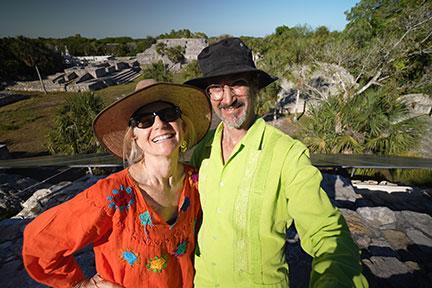
Warm weather, a slower pace, and affordable living keep Mexico at the top of many retirement wish lists. For Americans seeking a change without giving up comforts, this country offers a practical and rewarding alternative. From vibrant cities to peaceful colonial towns, Mexico fits a wide range of retirement lifestyles.
Beautiful colonial towns and cities like San Miguel de Allende are especially popular thanks to their walkable centers, mild climate, and established expat communities. Real estate in Mexico San Miguel de Allende has become a major draw, offering charming homes and strong property value. Many retirees also appreciate the cultural mix within the neighborhoods of San Miguel de Allende, where English is widely spoken and the pace suits relaxed living.
Residency and Legal Requirements
Most Americans start with a tourist visa, but longer stays require proper paperwork. The temporary resident visa works well for those testing the waters. It allows stays of up to four years. If you plan to retire permanently, the permanent resident visa makes more sense. It requires proof of income or assets, which is generally easy for retirees receiving Social Security or pension benefits.
You don’t need to renounce U.S. citizenship to retire in Mexico. Just make sure your passport stays valid and check visa requirements regularly, as policies can change.
Healthcare and Insurance
Mexico has a mix of public and private healthcare. Expats often choose private hospitals and clinics for shorter wait times and more English-speaking staff. Cities like Guadalajara, Mérida, and San Miguel have modern facilities and U.S.-trained doctors.
Most U.S. insurance plans don’t cover care in Mexico, so retirees usually buy international health insurance. Plans vary in price, depending on age and coverage. Some expats pay out of pocket for basic care, as it tends to be much cheaper than in the U.S., even without insurance.
Banking and Finances
Opening a Mexican bank account is possible once you have a residency card. While some Americans keep their U.S. bank and use ATMs, local accounts can make bill payments and daily expenses simpler.
Currency exchange rates can affect your retirement budget, so keep an eye on fluctuations. It’s also wise to inform your U.S. bank and credit card providers before relocating, and check that your cards work reliably in Mexico.
Buying Property as a Foreigner
Foreigners can legally own property in Mexico, even near the coasts, through a legal structure called a fideicomiso (bank trust). It’s commonly used for properties in restricted zones. The trust is held by a Mexican bank on your behalf and grants full ownership rights.
Work with a real estate attorney and a licensed agent to make sure the title is clean and all permits are in order. Avoid rushing into a deal. Visit the property, research the neighborhood, and confirm any HOA or maintenance fees.
Cost of Living and Lifestyle
One of the biggest reasons retirees move to Mexico is cost. Daily living, groceries, household help, and healthcare all cost less than in most parts of the U.S. That said, prices vary by region. Tourist-heavy zones and cities with large expat populations tend to be more expensive.
Dining out, exploring markets, and joining local clubs or volunteer groups make it easy to stay active and social. Whether you're walking cobblestone streets or enjoying an afternoon in the plaza, life tends to feel more relaxed.
Taxes and Reporting Obligations
You still have to file a U.S. tax return if you live in Mexico. The IRS taxes citizens on worldwide income, although tax treaties can help reduce double taxation. Mexico also has its own tax rules, and if you earn income within the country, such as rental profits, you may owe local taxes.
It’s smart to work with a tax advisor familiar with expat issues. Filing requirements can change, and keeping your paperwork in order prevents headaches later. FBAR and FATCA rules apply, so be sure to report foreign bank accounts and other assets as required.