
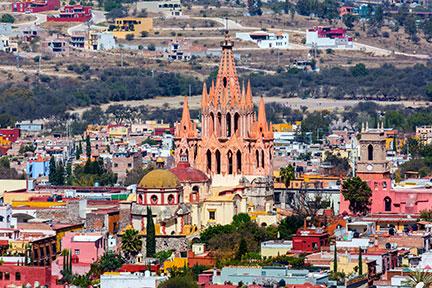
Retiring in Mexico can feel appealing for clear reasons: a warmer climate, strong cultural life, and daily costs that often stretch retirement income further than many U.S. cities. For some people, the search begins with lifestyle research and a quick scan of listings, such as San Miguel de Allende properties for sale, to get a feel for home styles, neighborhoods, and price ranges.
A smart next step is building a plan that covers money, residency, and day-to-day comfort before any big decisions. If you are considering moving to San Miguel, a reliable San Miguel de Allende guide can help with the local context.
Still, retirement planning works best when it starts broader: pick a budget, choose a visa path, compare locations, and map out the practical details that make a move smooth and low-stress.
Cost Planning: What Usually Gets Cheaper, and What Might Not
Many retirees focus on rent and groceries first, and for good reason. In many parts of Mexico, housing and everyday expenses can come in well below common U.S. baselines, especially outside the most expensive neighborhoods and peak tourist zones. Recent retirement reporting often places a couple’s monthly budget near the low thousands in many locations, depending on lifestyle and housing choices.
The less obvious line-items deserve attention too. Private health insurance, out-of-pocket medical costs, imported goods, and frequent travel back to the United States can add up. Some retirees keep a “two-country” lifestyle with regular flights and short stays back home, which can reduce the savings that Mexico offers on paper.
A practical approach is to build two budgets. One for a calm month in Mexico with normal routines, and one that includes predictable extras like travel, visitors, or higher utility use during hot months. This planning style keeps the decision grounded and reduces financial surprises after the move.
Visas and Residency: The Paths Most Retirees Use
Most retirees look at Mexico’s Temporary Resident and Permanent Resident options. Temporary status often works as a stepping stone, since it can be renewed and can lead to permanent status after meeting time requirements. The application typically starts at a Mexican consulate outside Mexico, and financial solvency requirements are a major part of approval.
Consulates publish their own solvency thresholds, and the numbers can vary by location and change over time. For example, the Mexican Consulate in Washington, DC publishes Temporary Resident requirements that include specific minimum balances or income documentation. Another example, the Mexican Consulate in Tucson publishes Permanent Resident financial solvency guidance with its own posted figures.
Because the rules are applied through consulates, the most reliable move is to check the requirements for the specific consulate where the application will be filed, then prepare documentation in the format they request. It is also common for requirements to reference Mexico’s wage-based metrics, which shift year to year.
Renting First, Then Buying With Confidence
Retiring well in Mexico often comes down to fit. Not just the city, but the neighborhood, street layout, and daily convenience. San Miguel de Allende is popular with retirees who prefer walkability, dining, and culture in a compact footprint, but it is not the only option. Lake Chapala, Mérida, Puerto Vallarta, and other regions attract different lifestyles, climates, and budgets.
Renting first is a strong strategy for many seniors, especially those moving from abroad. A rental period helps confirm how the area feels during rainy season, holiday peaks, and quiet months. It also helps identify the practical details that matter in senior living, such as stair-heavy streets, parking needs, distance to grocery stores, and access to social circles.
When buying becomes the next step, it helps to treat the home as part of a long-term plan. Look for layouts that remain comfortable as mobility changes. Prioritize safe flooring, manageable stairs, reliable water pressure, and easy access to everyday services. A beautiful rooftop view matters less if the stairs become a daily hassle.
Healthcare, Insurance, and Cross-Border Planning
Healthcare is one of the biggest retirement factors, and Mexico’s mix of public and private options is a key reason many retirees consider the move. Many expats use private care for routine needs and plan larger decisions carefully, based on personal comfort and budget.
Insurance planning often needs a cross-border lens. Medicare generally does not cover routine care outside the United States, so retirees frequently compare private Mexican insurance, international policies, and a budget for out-of-pocket care. The best fit depends on age, location, travel frequency, and the level of flexibility preferred.
For a senior living audience, it helps to add practical safeguards. Keep digital copies of key records, store emergency contacts in both countries, and plan how prescriptions will be handled. This is less about paperwork and more about confidence, especially during the first year of settling in.
Taxes, Banking, and Paperwork That Deserve Early Attention
Retiring abroad creates a new admin layer. Banking access, bill payment, and tax reporting can become annoying if handled late. Many retirees keep a U.S. bank account for Social Security deposits and recurring U.S. bills, then add a Mexican account for local payments like rent, utilities, and service providers.
Taxes are the area where professional guidance can pay off. Some retirees owe taxes only in the United States for certain types of income, but reporting duties can still apply, and rules vary based on residency status and income type. Mexico and the United States have tax treaty coverage in many cases, but personal circumstances still matter.
Paperwork also includes the small details that make daily life easier: phone plans, internet setup, mail handling, and a plan for handling documents that still arrive in the United States. Sorting these out early helps the move feel stable rather than chaotic.
Why Many Retirees Thrive in Mexico
Mexico can offer a retirement lifestyle that feels socially rich. Many areas have strong expat communities, active clubs, language exchanges, and volunteer opportunities. This matters for seniors, since community is often the difference between “living somewhere” and feeling at home.
Proximity to the United States is another advantage. Many retirees like that Mexico offers relatively short flights and familiar time zones. That makes it easier to visit family, host visitors, and keep long-time routines intact.
A strong retirement plan also includes personal safety habits and realistic expectations. Like any country, Mexico varies by region and neighborhood. Many retirees do well by choosing locations with solid infrastructure, staying aware, and building local relationships early. The payoff can be a daily life that feels lighter, more connected, and more enjoyable on a fixed income.