
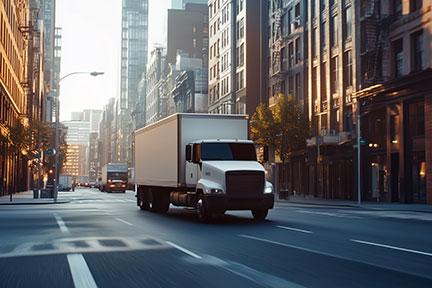
Relocating from New York City is more than just a change of address—it’s a complex orchestration of logistics, timing, and patience. The city’s dense population, congested streets, and high-rise apartments add layers of difficulty that many people underestimate.
If you’re planning a long-distance move, hiring professional movers isn’t just a convenience—it’s often a necessity. But what exactly should you expect them to handle? Understanding the scope of their responsibilities can save you time, stress, and costly mistakes.
Why Long-Distance Moves Are Different from Local Moves
Moving across the city or even across state lines requires far more planning than a typical local move. Long-distance movers must coordinate transportation, handle specialized equipment, and account for the complexities of navigating NYC’s unique urban landscape. Unlike local moves, they are responsible for not just lifting and loading your belongings, but also ensuring they arrive safely at your new home, often hundreds of miles away.
The Challenges of Moving Out of NYC
New York City’s unique environment presents a set of challenges that are uncommon elsewhere:
- High-rise apartments: Movers must navigate elevators, staircases, and narrow hallways. Timing the move around building restrictions or elevator availability is crucial.
- Traffic congestion: Even a short distance within the city can take much longer than expected. Experienced movers plan routes strategically to avoid peak traffic hours.
- Parking restrictions: Finding a legal spot for a moving truck often requires permits or coordination with building management.
- Tight schedules: Many NYC residents live in small apartments where unpacking space is limited, making timing everything precisely essential.
Understanding these challenges underscores why relying on professional long-distance movers is not just a luxury but a strategic decision.
What Long-Distance Movers Should Handle
Professional movers are more than muscle—they’re project managers who coordinate every step of your relocation. Here’s what a reputable long-distance moving company should manage on your behalf.
Packing and Crating
Packing is one of the most time-consuming parts of moving, and professional movers are trained to do it efficiently and safely:
- Protective packing: Fragile items, electronics, and furniture are wrapped in blankets, bubble wrap, or custom crates.
- Specialty items: Pianos, artwork, and antiques require extra care and sometimes specialized equipment to transport.
- Labeling and inventory: Each box is labeled, and an inventory list is created, making unpacking easier and preventing lost items.
Some companies even offer unpacking services at your new home, helping you settle in faster.
Loading and Securing the Truck
Moving large items safely requires more than just lifting strength:
- Professional loading: Movers use dollies, straps, and padding to prevent damage during transit.
- Weight distribution: Properly distributing weight in the truck is crucial to prevent accidents and damage.
- Securing items: Fragile and valuable belongings are tied down or crated to avoid shifting during the trip.
By handling the loading, movers reduce your risk of injury and ensure that everything arrives intact.
Transportation
Transporting your belongings across state lines or long distances requires expertise:
- Safe driving: Experienced movers understand the nuances of driving large trucks on highways and city streets.
- Tracking and updates: Many companies provide shipment tracking and regular updates so you know the status of your move.
- Insurance: Professional movers offer coverage in case of damage, giving you peace of mind during transit.
This is where the difference between a casual rental truck and a professional moving service becomes evident.
Unloading and Setup
Once your belongings reach your new home, movers continue their support:
- Unloading carefully: Every item is unpacked and placed according to your instructions.
- Assembly and setup: Furniture can be reassembled, electronics connected, and beds set up so your home is livable immediately.
- Debris removal: Many movers also handle the removal of packing materials and old furniture, leaving your new space clean and ready.
This full-service approach allows you to focus on settling into your new city rather than wrestling with boxes and tools.
How to Choose the Right Long-Distance Movers
Not all moving companies are created equal. When selecting movers, consider the following:
- Experience with NYC moves: Companies familiar with city-specific challenges can anticipate delays and plan accordingly.
- Transparent pricing: Avoid surprises with companies that provide clear, upfront quotes and detailed service descriptions.
- Licensing and insurance: Verify credentials and insurance coverage to protect your belongings during transit.
- Customer reviews: Look for testimonials from previous clients who have completed long-distance moves.
A trusted option can often be found by searching for a reputable NYC long-distance moving company with a proven track record.
Conclusion
Moving out of New York City is a daunting task, but professional long-distance movers exist to handle the heavy lifting—literally and figuratively. From careful packing and secure loading to efficient transport and organized setup at your new home, these experts can make a transition that might otherwise be overwhelming manageable and even enjoyable. Understanding what your movers should handle ensures you hire the right team, protect your belongings, and focus on the excitement of starting a new chapter.
By trusting the right professionals, you can leave the chaos of city logistics behind and look forward to your new home without unnecessary stress. Moving doesn’t have to be a headache—when done right, it can be the smooth, well-coordinated adventure it’s meant to be.