
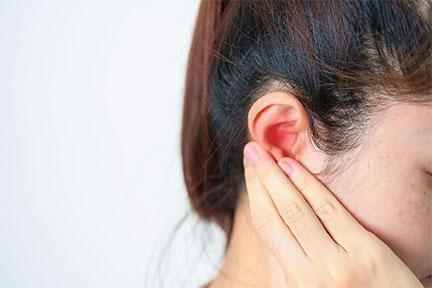
Allergies - especially seasonal allergies - can significantly impact ear health by triggering inflammation and fluid buildup in the Eustachian tube, which connects the middle ear to the back of the throat. This often leads to symptoms like ear congestion, a sensation of blocked ears, muffled hearing, or even temporary hearing changes. While these issues usually resolve as allergy symptoms subside, persistent or worsening ear discomfort may indicate a more serious underlying condition that warrants professional evaluation.
Every spring and fall, as trees release pollen and ragweed takes over fields, millions of Canadians brace for the familiar onslaught of sneezing, itchy eyes, and nasal congestion. But what many don’t expect is how these seasonal allergies can also affect their ears. The ears, nose, and throat are closely connected through a network of passages and tubes - most notably the Eustachian tube - and when allergens inflame the nasal passages, that inflammation can easily spread, causing ear congestion, blocked ears, or a feeling of fullness that just won’t go away.
For those navigating recurring or unexplained ear symptoms during allergy season, support from experienced hearing professionals can make a meaningful difference. Toronto hearing consultants are equipped to assess whether your ear changes are allergy-related or a sign of another concern, helping you find lasting relief without guesswork.
How Allergies Affect Your Ears: The Hidden Connection
At first glance, your ears might seem far removed from the sneezing fits and watery eyes that define allergy season. But anatomically, they’re deeply intertwined with your nasal and sinus passages through a small but vital channel: the Eustachian tube. This tube, which runs from the middle ear to the back of the throat, helps regulate air pressure and drain fluid from the ear.
When seasonal allergies strike, your immune system reacts to airborne triggers like pollen, mold, or dust by releasing histamines. This response causes inflammation and excess mucus production in the nasal passages and sinuses. As swelling builds, it can obstruct the opening of the Eustachian tube, preventing it from equalizing pressure or clearing fluid effectively. The result? A cascade of ear-related symptoms - often mistaken for an infection - stems directly from sinus pressure and nasal congestion.
This blockage doesn’t just cause discomfort; it can temporarily alter how sound travels through the ear. In some cases, fluid accumulates behind the eardrum, leading to a sensation of fullness or even mild conductive hearing loss. While these changes are usually reversible with proper allergy management, they underscore how closely ear health is tied to what’s happening in your respiratory system. For Canadians living in high-pollen regions - from southern Ontario to the Prairies - this connection is more than theoretical; it’s a recurring seasonal reality.
Common Ear Symptoms Triggered by Allergies
When seasonal allergies flare up, ear-related discomfort often follows - but it’s easy to overlook the connection. Unlike a runny nose or itchy eyes, ear symptoms can feel vague or confusing, leading many to assume they have an infection or even a problem with their hearing. In reality, these sensations are frequently the result of ear congestion caused by inflamed nasal and sinus tissues affecting the Eustachian tube. Below are the most common signs that your ears are reacting to allergens:
- A persistent feeling of fullness or pressure – Often described as if you’re underwater or on an airplane that hasn’t quite landed.
- Muffled or dulled hearing – Sounds may seem distant or “under a blanket,” especially in one ear.
- Tinnitus (ringing, buzzing, or humming) – Usually temporary and linked to fluid shifts or pressure changes in the middle ear.
- Itchy ear canals – Not to be confused with outer ear infections; this itch often stems from the same histamine response causing itchy eyes or throat.
- Mild ear pain or tenderness – Typically dull and intermittent, worsening when bending over or lying down.
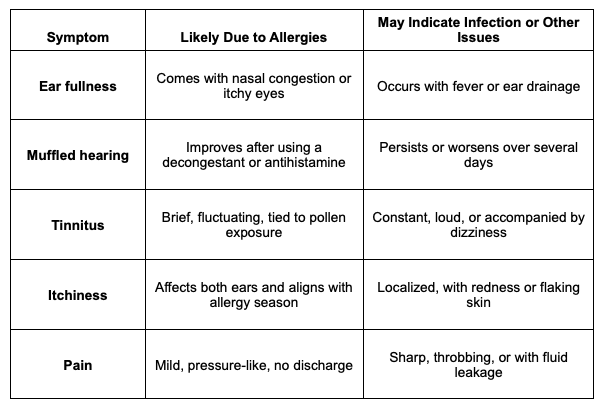
To help distinguish allergy-driven issues from other conditions, consider this comparison:
When Allergy-Related Ear Issues Become Serious
For most people, ear symptoms tied to seasonal allergies are temporary and improve as pollen counts drop or with basic allergy management. However, there are moments when what starts as mild ear congestion can signal a deeper issue - especially if the Eustachian tube remains blocked for more than 10 to 14 days. Prolonged obstruction can lead to fluid accumulation in the middle ear, creating a breeding ground for bacteria and potentially resulting in otitis media (a middle ear infection). If symptoms persist beyond two weeks, schedule an appointment with an audiologist — they can assess Eustachian tube function, check for middle-ear fluid, and perform hearing tests. Early audiological evaluation helps prevent complications and guides timely treatment or referral to ENT specialists when needed.
You should consider seeking professional evaluation if you experience any of the following:
- Hearing loss that doesn’t improve after allergy symptoms subside
- Persistent blocked ears lasting more than two weeks
- Fluid drainage from the ear (especially if yellow, green, or bloody)
- Sudden or severe dizziness, vertigo, or balance issues
- Sharp or worsening ear pain not relieved by over-the-counter remedies
These red flags may point to complications like Eustachian tube dysfunction, chronic fluid retention, or secondary infection - conditions that won’t resolve with antihistamines alone. In children, prolonged ear fullness during allergy season can also affect speech development or school performance due to subtle hearing changes, making timely assessment especially important.
While sinus pressure and seasonal allergies are common in Canada - particularly during spring tree pollen or late-summer ragweed peaks - it’s crucial not to assume every ear symptom is “just allergies.” Your ears rely on precise pressure balance and clear drainage pathways; when those are disrupted for too long, the impact can extend beyond comfort to actual hearing function.
Practical Tips to Manage Allergy-Induced Ear Discomfort 
When seasonal allergies trigger ear congestion or that frustrating sensation of blocked ears, relief often starts with managing the root cause: the allergic response itself. Effective allergy management not only eases sneezing and itchy eyes but can also prevent or reduce ear-related symptoms before they take hold. Below are practical, evidence-informed strategies many Canadians find helpful during high-pollen periods:
- Rinse nasal passages daily with a saline solution or neti pot. This helps clear allergens and thin mucus, reducing pressure on the Eustachian tube.
- Stay well-hydrated - water helps keep mucus less viscous, making it easier for your body to drain fluid from the ears and sinuses.
- Avoid forceful nose-blowing, which can push mucus and pressure into the Eustachian tube. Instead, blow gently, one nostril at a time.
- Use a humidifier in dry indoor environments, especially during spring heating transitions, to maintain optimal mucous membrane function.
- Limit outdoor exposure on high-pollen days (check local forecasts) and shower after being outside to rinse allergens from skin and hair.
- Consider over-the-counter options like non-drowsy antihistamines or nasal corticosteroid sprays - but consult a pharmacist to ensure they’re right for your health profile.
For those particularly sensitive to environmental triggers, additional protective measures can make a difference. For example, custom-fitted ear protection isn’t just for loud concerts or industrial settings - it can also help swimmers or individuals recovering from ear procedures keep water and irritants out of the ear canal, reducing secondary irritation during allergy season. While not a direct treatment for sinus pressure, such solutions support overall ear health when the system is already under stress.
Final Thoughts: Don’t Ignore Persistent Ear Changes
It’s easy to dismiss ear fullness or muffled hearing as just another nuisance of allergy season, especially when you’re already dealing with itchy eyes, a runny nose, and constant sneezing. But your ears are giving you valuable feedback about what’s happening inside your head and sinuses. While seasonal allergies commonly cause temporary ear congestion or a sense of blocked ears, these symptoms should gradually improve as your overall allergic response calms down.