

Seniors face unique challenges and opportunities when selling their homes. As retirement approaches or life circumstances change, many older adults find themselves needing to downsize or relocate.
If they've lived in their homes for decades, this can be a difficult task. Learn more about the housing market, potential buyers, and effective selling strategies.
Let’s break down the key considerations seniors should keep in mind when selling their homes to make the experience smoother.
Preparing the Home for Sale
Preparing a home for sale isn’t easy for seniors who may not have the time or energy to manage repairs or renovations. A well-kept and presentable home is attractive to buyers, but the preparations don’t have to be exhaustive. Basic cleaning and decluttering can showcase the property’s potential. Seniors should hire professional services for deep cleaning or even staging to boost visual appeal. Minor repairs, like fixing leaky faucets or replacing worn-out carpets, can make a difference in impression.
For those looking to avoid the hassle of extensive renovations, there are some alternatives available. Some local companies specialize in purchasing homes as-is, offering quick cash for Palatka FL trailers and properties without the need for repairs or agents. This can be an advantageous route for seniors seeking an efficient transition.
Setting the Right Price
The most pressing aspect of selling a home is setting the appropriate price. A property priced too high may deter potential buyers, and one set too low could lead to financial loss. Seniors should assess recent sales in their neighborhood to gain a realistic perspective on value. Consulting a real estate agent can bring experience and familiarity with market trends to the pricing discussion.
Emotional ties to the home can sometimes cloud judgment about its true worth. Remain objective and consider all aspects, including property condition and location. Utilizing online valuation tools can provide a starting point, but professional appraisals give a more accurate picture. Setting a competitive price increases the chances of receiving multiple offers and improves selling potential.
Navigating Legal and Financial Considerations
Selling a home involves numerous legal and financial matters that must be carefully considered. Seniors must engage a real estate attorney so that all legal documents are accurately prepared and any potential liabilities are understood. Understanding capital gains taxes and how they might affect the sale will help make informed decisions.
Seniors should gather all necessary paperwork, including the title deed, mortgage details, and any relevant home warranties. Consult an accountant to discuss tax implications, which can be overlooked. Financial conversations about how the proceeds from the sale will influence retirement savings or relocation plans can greatly affect life planning.
Choosing the Right Selling Strategy
Seniors have several options, including traditional methods through real estate agents, FSBO (For Sale By Owner), or cash buyers. Each option has its pros and cons. FSBO can save on commission fees, but it requires significant involvement and marketing effort from the seller. Enlisting a real estate agent can streamline the process, allowing seniors to benefit from professional guidance at a cost.
Some seniors consider selling their homes to cash buyers who close quickly and offer hassle-free processes. Exploring various selling strategies can help align seniors’ needs with their goals, leading to a more positive experience.
Realizing Emotional Attachments
Emotional attachments to a home can complicate the selling process for seniors. Homes carry years of memories and considerable life milestones. Acknowledge these emotions and balance them with practical decisions regarding the sale. Seniors should recognize that a home is a valuable asset and that selling it can open the path for new opportunities, like relocation or entering a retirement community.
Engaging friends or family in the process can provide emotional support and help seniors transition smoothly. Seeking professional counseling or support groups can provide tools to manage these emotions. Learning to let go is a gradual process, but embracing it can benefit the eventual outcome of the sale.
Closing the Sale 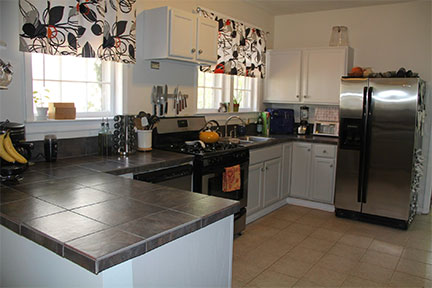
The closing process marks the final steps in selling a home, but it involves considerable detail and attention. Seniors should be prepared to review the closing statement carefully, which outlines all financial aspects of the sale. Understand how the proceeds will be distributed and when funds are expected to be available.
Seniors must clarify any responsibilities related to the property transfer, such as repairs or specific agreements with buyers. Engaging a trustworthy attorney can help navigate this phase so that everything is in order. Smoothly managing the closing process can wrap up the sale efficiently and allow seniors to move on to the next chapter in their lives.
Selling a home can be a complex journey for seniors. If they value their property accurately, prepare effectively, and understand their options, the selling process will result in beneficial outcomes. Taking informed steps can streamline the journey so that seniors can enjoy new beginnings built on thoughtful decisions.