
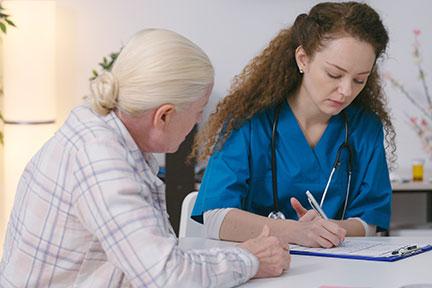
Families entrust nursing homes with the care of their most vulnerable loved ones. That trust comes with expectations of safety, dignity, and quality care that residents deserve. Unfortunately, that trust gets broken far too often when facilities prioritize profit over people.
Recognizing early warning signs helps families intervene before minor issues become serious harm. Understanding what goes wrong most frequently prepares families to protect their loved ones effectively.
Poor care patterns emerge consistently across nursing homes in Nevada and everywhere else. Staffing shortages lead to neglected residents. Medication errors happen without oversight. Abuse occurs when nobody is watching. These aren't isolated incidents but patterns families report repeatedly. Awareness helps identify problems quickly before situations deteriorate. Early intervention prevents escalation from bad to catastrophic.
Understanding the most common nursing home complaints in Las Vegas NV helps loved ones recognize early warning signs of neglect or abuse. Here's what residents and families report most often and how to take action when something feels wrong.
Inadequate Staffing and Supervision
Understaffing is the root cause of most nursing home problems. When facilities don't hire enough caregivers, quality care becomes impossible. Residents wait hours for bathroom assistance. Bedsores develop from neglect. Falls happen because nobody's watching. Understaffing cuts costs but it cuts care even more. That financial prioritization creates environments where harm becomes inevitable rather than exceptional.
Supervisors can't oversee staff they don't have. Even well-intentioned caregivers get overwhelmed when ratios are too high. One caregiver managing twenty residents can't provide proper care to anyone. That impossible situation creates mistakes and shortcuts. Residents suffer consequences from decisions made purely for profit. Families noticing rushed care or common excuses about being short-staffed are seeing staffing problems directly.
Documentation problems accompany understaffing. Care records get skipped or falsified to appear complete. Medical conditions don't get properly documented. Medication administration gets recorded as done when it actually wasn't. That documentation failure prevents other staff from knowing what care residents actually received. Problems compound when information isn't properly recorded and communicated.
Neglect in Hygiene, Nutrition, and Medication Management
Neglect appears in different forms but the results are always serious. Residents go days without bathing. Soiled linens stay unchanged creating infections and skin breakdown. Hair grows matted and unwashed. These aren't just dignity issues though they're certainly that. Poor hygiene leads to infections, pressure wounds, and deteriorating health. That neglect is preventable through basic care standards.
Nutrition problems emerge when meals get served cold or residents don't get helped eating. Residents lose weight despite adequate food being available. Diabetics receive wrong meal types. Residents with swallowing difficulties get inappropriate foods causing choking. Malnutrition accelerates decline and weakens immune function. Proper nutrition is fundamental to health but it gets overlooked regularly in understaffed facilities.
Medication errors cause serious harm or death. Residents receive wrong medications or wrong doses. Medications get missed entirely. Timing gets wrong affecting medication effectiveness. Documentation shows medications given when they weren't. These errors aren't administrative oversights, they're matters of life and death. Families noticing behavioral changes or health decline should ask detailed questions about medication management.
Resident Abuse or Rough Handling by Staff Members
Physical abuse happens when staff lose patience or deliberately harm residents. Rough handling during personal care. Hitting or pushing. Aggressive restraint. Yelling and intimidation. These abuses traumatize residents who are already vulnerable. Behavior changes often indicate abuse is happening. Withdrawn residents who were previously social. Fear of certain staff members. Unexplained injuries. These signs warrant investigation immediately.
Psychological abuse damages residents emotionally. Humiliation during care. Threats or intimidation. Isolation as punishment. Ignoring residents who call for help. These forms of abuse don't leave physical marks but they damage mental health severely. Depression and anxiety increase. Residents withdraw from activities they enjoyed. Some residents stop eating or give up on recovery.
Sexual abuse in nursing homes is uncommon but devastating when it happens. Residents vulnerable to assault by staff or other residents. Lack of supervision enables predatory behavior. Facilities knowing about risks but failing to protect residents create liability. Any suspicion of sexual abuse requires immediate reporting to law enforcement. These crimes demand full investigation.
What Families Can Do When Standards Are Violated
Documentation is critical for proving problems exist. Visit frequently and write down specific observations. Note dates, times, and what you saw. Take photos of injuries or poor conditions with permission. These records create evidence no facility can deny. Detailed documentation strengthens any future legal claim.
Report concerns to facility management first. Request meetings. Present your documentation. Ask what they're doing to fix problems. Get their response in writing. This creates a record showing when problems were reported and how management responded. That response pattern often reveals whether management takes concerns seriously.
Reporting to state regulators protects other residents. Nevada's Division of Health Care Quality handles nursing home complaints. Reports trigger investigations. State inspectors examine records and interview residents and staff. Regulatory findings become public and create accountability. Multiple complaints increase likelihood of enforcement action.
Bottom Line
Awareness prevents harm and protects vulnerable residents effectively. Families staying involved, monitoring care closely, and acting quickly when issues arise make genuine differences. Red flags deserve investigation, not dismissal. Trust your instincts when something feels wrong about your loved one's care.
Early action prevents situations from worsening. Problems caught immediately get addressed before becoming serious. Documentation creates evidence making problems undeniable. Reporting ensures other residents benefit from investigations.
Families have power to protect their loved ones. That power requires vigilance, documentation, and willingness to advocate aggressively. Nursing home residents depend on families to be their voice when they can't advocate for themselves.