
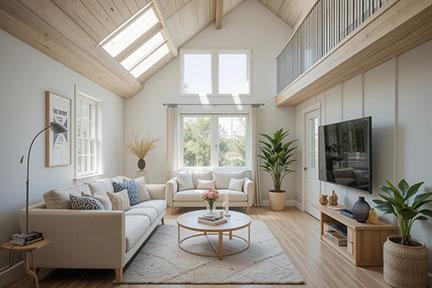
A loft conversion can be the most “invisible” way to add space to a home—no loss of garden, no major changes to the street-facing façade—yet it can completely change how the house feels. The difference between a loft that becomes everyone’s favourite room and one that feels like an awkward afterthought often comes down to daylight, ventilation, and usability. In other words: roof windows.
People tend to pick windows late, once drawings are underway. That’s backwards. Roof windows affect headroom, layout, overheating risk, privacy, and even whether the room can qualify as a proper bedroom. If you want a loft that’s bright in winter, comfortable in summer, and practical year-round, you need to plan the roof windows early and deliberately.
Start With the Room You’re Trying to Create
Before you compare window sizes or glazing specs, get clear on what the loft is for. A home office wants stable daylight without glare on screens. A bedroom needs effective ventilation and, in many cases, an escape route. A bathroom needs privacy, moisture control, and glass that won’t feel like you’re living in a greenhouse.
Ask the “everyday use” questions first
How will you use the space at 8am on a dark January morning? What about at 6pm in July when heat builds under the roof? Where will the bed, desk, or sofa sit—and will you be staring straight into a window from two metres away?
Roof windows aren’t just light sources; they define where you can place furniture and how the room feels when you walk in.
Understand Roof Types and Constraints Early
Not every loft is the same. A traditional cut roof (rafters and purlins) can be more flexible for placing windows, while a trussed roof often needs more structural intervention. Dormers add vertical wall area and may change the window strategy entirely. None of this is a reason to panic, but it’s a reason to coordinate early with your designer and structural engineer.
Think about orientation, not just size
A big roof window facing south can deliver wonderful daylight—and unmanageable summer heat if you don’t plan for it. North-facing roof windows give softer, consistent light that’s great for studios and offices. East-facing brings bright mornings; west-facing can create late-day glare and overheating.
As a rule, it’s easier to add light than to fix overheating after the room is finished, so balance daylight goals with shading and ventilation plans from the outset.
Make Roof Windows a Core Part of the Design (Not an Add-On)
Some of the best lofts feel bright even on grey days, and that usually comes from thoughtful window placement rather than simply choosing the largest unit available. Consider sightlines as you enter the room, how light travels down to the stairs, and whether you can “borrow” daylight into adjacent areas.
Around this stage—once you’ve sketched the layout and started thinking about comfort—it’s worth looking at proven specifications and formats for roof windows. For example, reviewing high-quality sloped roof window solutions can help you compare typical options for pitched roofs (opening types, glazing choices, and practical add-ons) before you lock in drawings.
One well-placed window can beat two poorly placed ones
A common mistake is lining roof windows up symmetrically on the outside without checking how they land internally. Rafters, collar ties, and the height of the new floor structure can shift the internal “feel” of the window by a surprising amount.
Aim to position roof windows so that:
- you can see the sky while seated (it makes the room feel bigger),
- you can open them easily without climbing onto furniture,
- they bring light to where you actually spend time, not just to circulation zones.
Ventilation, Overheating, and the Reality of Summer
Lofts get hot. Even in the UK’s milder climate, upper floors can overheat quickly because heat rises and roof spaces often have large surface areas exposed to sun.
Prioritise cross-ventilation where possible
If your loft has windows on both sides (or a combination of dormer and roof windows), you can create cross-ventilation that flushes warm air out. If you only have one roof plane to work with, consider higher-level openings to help release hot air, since warm air accumulates at the apex.
A single set of practical considerations can prevent the “oven loft” problem:
- Opening method: Top-hung vs centre-pivot affects airflow and ease of cleaning.
- Background ventilation: Trickle vents can help maintain air quality when windows are closed.
- Solar control: External awnings, blinds, or solar-control glazing can cut heat gain dramatically.
- Night cooling: Secure ventilation positions let you purge heat overnight more safely.
Meet Building Regulations and Safety Needs
Roof windows can influence compliance in a few key areas. This is where early planning saves money, because changing a window later can ripple into structural changes, scaffold time, and re-approval.
Fire escape and egress
If the loft becomes a habitable storey (especially a bedroom), you may need an egress window with a clear opening size and accessible height. Requirements vary depending on the broader escape strategy (e.g., protected stair enclosure), so confirm this with your building control officer or architect.
Thermal performance and condensation control
Modern glazing can be excellent, but performance depends on installation quality and detailing. Ask about U-values (overall heat loss), airtightness, and how the window interfaces with insulation layers. A loft that’s warm but poorly ventilated can develop condensation on cold nights—particularly in bathrooms or bedrooms—so moisture management matters as much as insulation.
Privacy and overlooking
Roof windows feel private because they’re above eye level, but overlooking can still be an issue, especially on side roof slopes in denser neighbourhoods. Frosted glazing, higher placements, or thoughtful blind choices can solve this without sacrificing daylight.
Plan Installation Details That Affect the Finished Look
The technical details are unglamorous, but they’re what separates a crisp, integrated conversion from a “boxed-in” one.
Depth of reveals and light spread
A deep, straight window reveal can reduce the amount of light that spreads into the room. Splayed reveals (wider at the room side) can improve light distribution and make the opening feel more generous.
Flashings, roof coverings, and drainage
Make sure the window system matches your roof covering (slate, tile, etc.) and that the flashing kit is appropriate for the pitch. Poor detailing here is a common cause of leaks—not necessarily immediately, but after a few freeze-thaw cycles and heavy rain.
Choose Windows That Fit How You Live
Finally, bring it back to daily life. Do you want to open windows with a pole because they’re high up (fine in stairwells), or do you want hand-height windows you’ll use every morning? Do you need blackout control for sleep? Do you care about acoustic performance if you’re near traffic?
A loft conversion is a long-term investment in comfort. If you plan roof windows as part of the architecture—rather than a finishing touch—you’ll end up with a space that feels intentional: brighter in winter, cooler in summer, and genuinely enjoyable to use.