
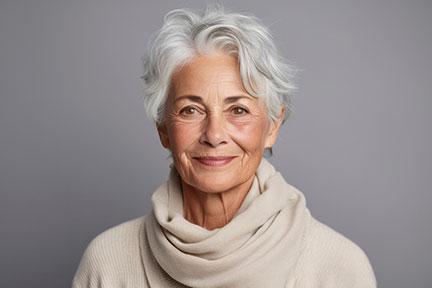
For many women over the age of 65, a facelift can be both exciting and daunting. Changes in the body and face are a natural part of aging, but modern surgical advancements have made facial rejuvenation safer and more effective than ever before.
Learning about what is involved in a facelift for women in this age group will help set realistic expectations and provide the foundation for making an informed decision.
Understanding Facelifts: What They Address
A facelift, technically known as rhytidectomy, is a surgical procedure that improves visible signs of aging in the face and neck. Over time, skin loses its elasticity and muscle tone, which can lead to sagging, deep creases, and jowls.
For women over 65, facelifts primarily target sagging skin, deep wrinkles, and volume loss. The procedure is tailored to individual needs because the aging process varies from person to person.
According to the Long Island Facelift surgeons at faceliftlongislandny.com, one of the top-rated facelift specialty centers on Long Island, women in their mid-60s and beyond can achieve remarkable rejuvenation with a properly tailored facelift. Age alone does not determine candidacy. What matters most is overall health, skin quality, and the specific concerns a patient wants to address.
Their insight reinforces that facelifts for women over 65 can be both safe and transformative when performed by an experienced facial surgeon.
Types of Facelifts Available
Surgeons have developed a variety of facelift techniques to suit different patients and aging patterns. Choosing the right technique depends on each person’s anatomy, skin condition, and goals.
Here are the main types of facelifts often considered for women 65 and older:
Traditional Facelift
This comprehensive procedure addresses both the lower face and neck. It involves repositioning deeper tissues and removing excess skin for a dramatic transformation. Women with significant sagging or multiple aging signs often benefit the most from this option.
Mini Facelift
Less invasive than the traditional lift, the mini facelift focuses on the jawline and lower face. Recovery is generally quicker, and results are subtler, making it suitable for those with less advanced aging.
Neck Lift
Sometimes combined with other techniques, a neck lift specifically targets loose skin and muscle bands on the neck. For women whose main concern is “turkey neck” or platysmal bands, this option can be especially effective.
After reviewing the variety of techniques, it becomes easier to identify which procedure aligns with your needs. Your surgeon will further customize the approach to maximize safety and outcomes.
Preoperative Evaluation: Assessing Candidacy
Not everyone over 65 is automatically a candidate for facelift surgery. There are several factors your plastic surgeon will consider to determine eligibility.
The preoperative evaluation will include an assessment of your medical history, current health, and skin quality. Active medical issues such as heart disease, uncontrolled diabetes, or blood clotting disorders may increase the risks of surgery.
Doctors also evaluate skin elasticity and bone structure. Good underlying bone support and some remaining skin flexibility often lead to better, more natural-looking results.
Preparing for Surgery
Once candidacy is established, preparation becomes the next important step for both the surgeon and patient. Proper planning helps reduce complications and ensures a smoother recovery.
Patients may need to stop certain medications, especially blood thinners, before surgery. It is also important to avoid smoking and alcohol, which can impair healing.
Arranging for help at home and preparing a comfortable recovery environment is key. Most surgeons provide detailed instructions that should be followed closely in the weeks leading up to the procedure.
Anesthesia and Safety Considerations for Older Women
Safety remains a top priority, especially for women over age 65, as age can influence how the body responds to surgery and anesthesia. Surgeons aim to minimize risks by thoroughly evaluating patients beforehand.
Facelifts are usually performed under general anesthesia or intravenous sedation. Anesthesiologists who specialize in treating older adults monitor vital signs closely to ensure safety throughout the procedure.
Women should honestly discuss their full medical history with both the surgeon and the anesthesiologist. This open communication helps every member of the surgical team plan a smooth, safe experience.
The Facelift Procedure: What To Expect
The facelift process typically takes two to five hours, depending on its complexity. Surgery usually takes place in a hospital or accredited surgical center.
Surgeons create incisions along the hairline and around the ears, then carefully lift and reposition the underlying tissues. They remove or sculpt fat and trim excess skin, creating a smoother, more youthful appearance.
Incisions are closed with fine sutures or surgical staples. Careful placement ensures scars are as inconspicuous as possible once healed.
Recovery and Aftercare
Proper aftercare can significantly impact the final result and reduce the risk of complications. Understanding what to expect in the immediate and long-term recovery stages helps ease anxiety.
Most women experience swelling, bruising, and discomfort for the first week. Pain is usually mild to moderate and is controlled with prescription or over-the-counter medication.
Stitches are typically removed within one week. Patients should avoid strenuous activities for two to four weeks, but light walking is encouraged to promote circulation.
Support from family or friends is important during the early days of recovery. Surgeons provide instructions for wound care, which should be followed to ensure smooth healing.
Risks and Potential Complications
All surgeries come with risks, and a facelift is no exception. Women over 65 may have a slightly higher risk due to age-related health changes.
Here are the most common risks and what they entail:
- Bruising and Swelling: These are expected after surgery, but can be more pronounced in older adults. Most of the swelling resolves in a few weeks, but minor changes can persist for several months.
- Hematoma: This is a collection of blood under the skin that may require prompt treatment. Surgeons take steps to minimize the risk, especially for patients with high blood pressure.
- Nerve Injury: There is a small chance of temporary or, rarely, permanent nerve damage. This can lead to weakness or numbness, but most cases resolve on their own over weeks or months.
- Scarring: Aging skin tends to heal more slowly and may scar differently, though scars are generally well-hidden in natural creases.
- Anesthesia Risks: Older adults may be more vulnerable to anesthesia-related complications. Careful monitoring and preoperative assessments are essential for minimizing these risks.
After considering these potential risks, most healthy women over 65 can still enjoy excellent results from a facelift. Open communication and careful planning make a significant difference in minimizing complications.
Expected Results: Realistic Goals for Older Women
A facelift will never completely stop the aging process, but it can turn back the clock by five to fifteen years in many cases. For women over 65, the most significant improvements include reduced jowling, smoother neck skin, and a restored jawline.
Skin quality and underlying bone structure play a part in determining the outcome. Women with very thin or sun-damaged skin may notice a softer improvement compared to those with thicker, more elastic skin.
Setting realistic expectations before surgery is crucial. Surgeons can share before-and-after photos and computer imaging to help visualize potential changes.
Longevity of Results and Maintenance
The results of a facelift are long-lasting, but the aging process continues. Most women enjoy their improved appearance for seven to ten years, sometimes longer with good skincare and a healthy lifestyle.
To help maintain the outcome, consider the following strategies:
- Sun Protection: Using sunscreen every day slows further skin aging and helps protect surgical results. Sunscreen should be broad-spectrum and at least SPF 30.
- Healthy Lifestyle Choices: Eating a balanced diet, not smoking, and exercising regularly all contribute to healthy, youthful skin. Hydration and sleep are also important for long-term vibrance.
- Nonsurgical Treatments: Maintenance options like fillers, Botox, and laser treatments can prolong the facelift’s effects. These can address fine lines, volume loss, or minor sagging that may reappear over time.
These maintenance steps, along with regular follow-ups with your provider, help you optimize and extend your results for years to come.
Emotional and Psychological Benefits
The benefits of a facelift go beyond physical appearance. Many women report greater self-esteem and social confidence after recovering from surgery.
Improved facial harmony can positively impact how women feel about growing older. This renewed sense of confidence often encourages women to stay active and social, which is important for mental and physical health as they age.
Conversations with loved ones and realistic goal-setting before surgery can help ensure that the emotional benefits align with physical changes.
Choosing the Right Surgeon
Selecting a highly qualified and experienced plastic surgeon is the most important step for achieving safe and satisfying results. Research and consultations will help you make an informed choice.
Look for board-certified plastic surgeons who specialize in facial procedures for older adults. Ask to see before-and-after photos of patients similar to your age and ethnicity.
A good surgeon will answer all your questions, outline the risks and benefits, and make you feel comfortable every step of the way. Building trust with your surgeon is essential for a successful partnership and outcome.
Alternative and Complementary Treatments
Not everyone wants or needs a surgical facelift. A variety of nonsurgical options can refresh a woman’s appearance and may be appropriate for those seeking subtle improvements or who are not surgical candidates.
Some of the most effective alternatives include:
- Dermal Fillers: These injectable products restore volume, smooth wrinkles, and enhance facial contours. Results last from six months to two years and require little downtime.
- Botox: Botox injections can temporarily relax muscles that cause deep lines and wrinkles. This treatment works best for dynamic wrinkles, such as crow’s feet and forehead lines.
- Laser Resurfacing and Chemical Peels: These treatments improve skin texture, reduce age spots, and stimulate collagen production. They are often used in combination with other procedures for optimal results.
When surgical risk is too high or results do not need to be as dramatic, these options can offer meaningful improvements with minimal recovery time. Discussing all available treatments with your provider ensures a solution tailored to your lifestyle and goals.
Moving Forward with Confidence
Deciding on a facelift at 65 or older is a highly personal journey that involves thoughtful planning and consideration. Understanding the process from start to finish, including what to expect during recovery and how to prolong results, will empower you to make choices that support your appearance and well-being.
With careful selection of an experienced surgeon, a realistic outlook, and a commitment to aftercare, many women over 65 achieve stunning, natural results that restore confidence and joy in daily life. Staying informed and open with your doctor will help ensure a rewarding facelift experience and a smooth path toward timeless beauty.
Disclaimer
Information on SeniorLiving.com is provided for general educational purposes only and should not be considered medical or surgical advice. Facelifts and other cosmetic procedures involve risks that vary by individual health factors, especially for adults age 65 and older. Always consult a licensed, board-certified plastic surgeon or qualified healthcare professional to determine what is medically appropriate for you.
SeniorLiving.com does not endorse or recommend any specific provider, procedure, or treatment, and is not responsible for decisions made based on this content. If you experience or suspect a medical complication, seek immediate medical care.