
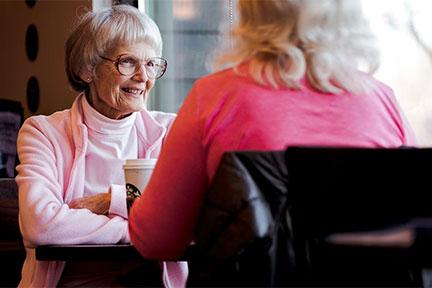
Growing older changes how people see independence. Many seniors have spent a lifetime managing things on their own, like paying bills, caring for family, and keeping routines steady. But as the years go by, even the most independent person can reach a point where support starts to matter in new ways.
In communities across the country, seniors are learning that true independence doesn’t mean refusing help. It means staying active, involved, and supported by people who genuinely care.
Why Mental Health Thrives with the Right Support
Mental health often depends on having a steady support system. Seniors who feel connected and can talk openly, laugh with others, and share what’s on their mind usually feel more at ease with everyday challenges. Isolation, on the other hand, can quietly build stress, sadness, and even confusion. Regular connection, whether through conversation, shared activities, or group programs, helps keep both mood and memory sharp.
That’s where counseling steps in as an effective form of emotional support. It gives older adults a chance to process changes like retirement, health shifts, or the loss of loved ones without judgment or pressure. Modern counseling is more personal, understanding, and focused on quality of life. Many counselors today specialize in senior care, helping older adults manage anxiety, strengthen relationships, and rediscover purpose at this stage of life.
Because the field keeps expanding, education has become a major part of staying relevant and effective. Those entering counseling now often look for programs that combine real-world experience with flexible learning. Earning a degree online has made it much easier, as students can now find some of the cheapest online counseling degree options that still offer accredited training. Online learning works well for people balancing jobs or caregiving, and it’s a practical path for anyone who wants to make a difference in the mental health field while managing life’s responsibilities.
Building Confidence While Accepting Help
Confidence isn’t lost when you accept help; in many cases, it grows. Seniors who learn to ask for assistance when necessary often end up feeling stronger and more secure. Whether it’s letting a neighbor carry heavy groceries or hiring a professional for financial advice, smart choices show self-respect, not weakness.
The key is mindset. Accepting help doesn’t mean someone else takes over your life. It means you’re sharing the load and allowing space for support to make things smoother.
When Self-Reliance Turns into Isolation
Being independent can feel empowering, but sometimes, it quietly turns into isolation. Some seniors pull back from family or friends because they don’t want to feel like a burden. Days can start to feel repetitive, and without realizing it, social contact becomes rare. What starts as independence can easily slide into loneliness.
Staying connected doesn’t require big changes. It can be as simple as joining a local club, taking a walk with a neighbor, or video chatting with family. Reaching out now and then keeps the mind active and the heart steady.
Learning to Share Responsibilities
For many older adults, it’s hard to let others take part in their daily decisions. But sharing responsibility doesn’t mean giving up control; it means working together to make life easier. Whether that’s letting family help with doctor visits or collaborating on home maintenance, teamwork lightens the load while keeping everyone involved.
The best results come when seniors stay part of the process. Having a voice in decisions keeps autonomy intact and helps others understand preferences and boundaries.
Supporting Others While Maintaining Self-Care
Many seniors are caregivers themselves for a spouse, a friend, or even grandchildren. Helping others can bring deep satisfaction, but it can also become tiring if there’s no time to rest. Constant caregiving without balance can wear down energy, patience, and overall health.
Taking time for yourself isn’t selfish. It’s necessary. A short walk, an afternoon nap, or a day spent doing something personal helps recharge your energy and keep your perspective clear. Seniors who practice self-care often find they can support others with more patience and joy, proving that taking care of yourself first helps everyone in the long run.
Managing Health and Independence
What worked ten years ago might not fit the body’s needs today, and that’s perfectly normal. Staying flexible helps seniors handle those shifts with less frustration. It could mean adjusting exercise routines, meal plans, or even daily schedules to match current energy levels and comfort.
Accepting that routines can evolve allows seniors to stay in control instead of resisting change. That mindset keeps life manageable, reduces stress, and helps maintain independence even as circumstances shift.
Practicing Self-Awareness
Self-awareness plays a big part in staying healthy and independent. It’s about noticing when small issues start to build, maybe meals are skipped more often, or energy feels lower than usual.
Being honest with yourself doesn’t mean weakness; it shows strength. Talking with a doctor, counselor, or family member about what’s changing helps create a plan that supports both safety and autonomy. Seniors who recognize their limits before reaching a breaking point often stay independent longer because they act early instead of waiting too long.
Family Dynamics and Individual Balance
Family plays a major role in how seniors experience independence. Supportive relationships can build confidence, but tension or misunderstanding can cause frustration. Sometimes family members mean well but overstep, taking charge when reassurance would do. Other times, seniors resist help even when it’s needed.
Open conversation is the simplest solution. When seniors share what kind of support they want, and family members listen without assuming, it builds trust. A shared understanding helps everyone feel included and respected.
Building Skills for Long-Term Emotional Stability
Staying emotionally balanced in later life takes practice. Simple habits like journaling, meditation, or spending time in nature help clear the mind and lower stress. Joining social activities or volunteer programs adds purpose and connection, both of which are proven to boost mental well-being.
Seniors who build emotional coping skills often find that they handle change with more calm and confidence. Support systems help, but so does personal growth, as learning to self-soothe, set limits, and stay open to joy are all lifelong skills that create lasting peace of mind.
Seniors who strike a balance between self-reliance and support tend to feel happier, healthier, and more in control of their lives. Accepting help when it’s needed doesn’t reduce independence; it protects it. For many older adults, this balance starts with connection, staying in touch, seeking guidance, and recognizing that help can come in many forms, from family and friends to counseling and community programs.