
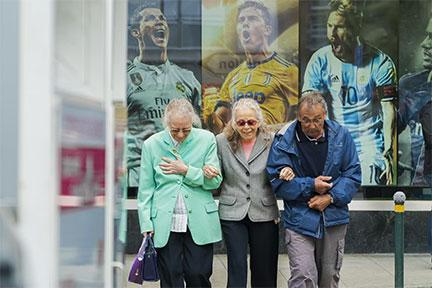
Growing older often brings a deeper connection to the places that have shaped daily life. Rooms once filled with activity hold memories of routines, milestones, and quiet reflection. Familiar surroundings offer more than physical shelter. They create a sense of calm that supports emotional balance during later years. As mobility changes and social circles shift, the comfort of known spaces gains new meaning. Aging does not only involve changes in the body. It reshapes how people relate to their environment, their belongings, and the rhythms of each day. Understanding why familiar spaces matter can guide families and communities toward choices that honor dignity, independence, and well-being across the aging journey.
The Emotional Safety of Remaining at Home
For many older adults, staying at home represents continuity. Walls that have witnessed decades of life provide reassurance during times of uncertainty. Emotional safety grows from predictability. Familiar furniture, neighborhood sounds, and personal objects reduce stress and confusion. Care provided in this setting often supports both physical needs and emotional comfort. Many families turn to home care services when daily tasks begin to feel overwhelming, since this option allows support to arrive without uprooting routines or severing ties to meaningful places. Care within the home respects established habits, personal preferences, and the quiet confidence that comes from remaining in control of one’s surroundings.
This emotional grounding affects mental health in powerful ways. Anxiety often eases when individuals wake up in a bedroom they recognize. Small details like a favorite chair or a view from the window reinforce identity. Home becomes a partner in care, offering familiarity that no new facility can replicate overnight. Aging within this space supports stability during a stage of life marked by many transitions.
Memory, Identity, and Familiar Surroundings
Memory and place share a close bond. Homes store reminders of family life, personal achievements, and everyday joys. Photos, books, and keepsakes help older adults stay connected to their personal story. These items are not decorative alone. They reinforce identity and self-worth.
Cognitive changes may arise with age. Recognition of familiar spaces often remains strong, offering comfort during moments of confusion. A known hallway or kitchen layout supports orientation. This connection reduces frustration and preserves independence for longer periods. When individuals feel anchored to their history, they often experience greater confidence in daily activities.
Identity thrives through routine. Morning rituals, favorite meals, and long-standing hobbies take place more easily at home. These practices support a sense of purpose. Familiar surroundings allow older adults to remain participants in their own lives rather than passive recipients of care.
Independence and Control in Known Spaces 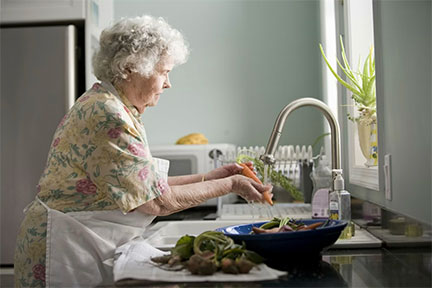
Control over one’s environment holds deep meaning during later years. At home, choices feel natural. Decisions about meals, bedtime, or visitors remain personal. This autonomy supports dignity and self-respect.
Independence does not mean absence of support. It reflects the freedom to shape daily life. Simple actions like watering plants or arranging personal belongings maintain a sense of capability. Familiar spaces are designed around individual habits, making tasks easier to manage.
Transitions to new living arrangements can feel disorienting. Learning new layouts or adapting to shared rules may challenge confidence. Remaining at home reduces these pressures. The environment already fits the individual rather than requiring adjustment. This balance between support and control often leads to higher satisfaction and emotional stability.
Health Benefits Linked to Familiar Environments
Physical health connects closely with the environment. At home, older adults move through spaces designed around their own patterns. This familiarity reduces the risk of falls and injuries. Knowing where light switches, stairs, and handrails are located supports safe movement.
Sleep quality often improves in familiar bedrooms. Rest plays a major role in healing, energy, and mood. A known setting promotes deeper relaxation. Nutrition benefits follow similar patterns. Cooking in one’s own kitchen supports dietary preferences and routines shaped over the years.
Stress levels tend to drop in comfortable surroundings. Lower stress supports heart health, immune response, and overall resilience. Familiar environments encourage gentle activity, social interaction with neighbors, and outdoor time in known areas. These factors contribute to physical strength and emotional balance across the aging years.
Practical Adaptations That Support Aging at Home
Adapting a home for aging does not require major changes in every case. Small adjustments often make a meaningful difference. This approach respects attachment to place and promotes safety.
- Installation of grab bars in bathrooms
- Improved lighting in hallways and stairways
- Removal of loose rugs and clutter
- Rearrangement of frequently used items within easy reach
- Use of supportive seating and bedding
These changes align the home with evolving needs. They allow older adults to continue daily activities with confidence. Practical adaptations strengthen the bond between person and place, turning the home into a supportive partner in care rather than a source of risk.
The comfort of familiar spaces grows richer with age. Homes carry memories, routines, and relationships that shape identity and well-being. With thoughtful support and gentle adaptation, the home can remain a trusted companion through later years, offering stability and comfort during a time of change.