
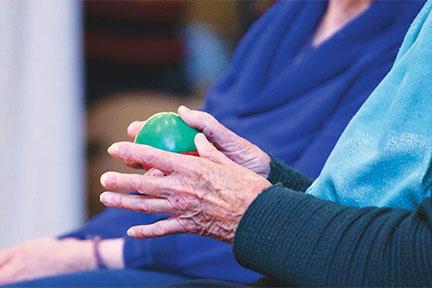
Living with arthritis often feels like a balancing act. The aches and stiffness can make even simple activities more challenging, but most people still want to stay active, engaged, and in control of their daily lives. The good news is that care options have evolved. Rheumatology today is not just about prescriptions. It’s about tailoring solutions that match your lifestyle and keep you moving comfortably.
That’s where a wider range of support comes in. Alongside traditional medical care, many clinics now offer pain management services that combine thoughtful treatment plans with innovative techniques. This approach goes beyond easing the discomfort for a day or two. It aims to improve long-term mobility, lessen flare-ups, and restore confidence in everyday movement.
What Personalized Rheumatology Means
Personalized rheumatology looks at the whole person, not just the disease. Everyone’s arthritis journey is unique. Some may struggle with swollen hands that make cooking difficult, while others feel hip stiffness after walking only a short distance. By focusing on individual patterns, rheumatologists can create plans that adjust with your needs.
Rather than a “one-size-fits-all” treatment, the focus shifts to a mix of therapies—whether that’s low-impact activity, medication, or regenerative options that work on repairing tissue. This flexibility allows people to adapt and still enjoy the routines they love.
Where Regenerative Techniques Fit In
Over the past decade, regenerative methods like platelet-rich plasma (PRP) and stem cell therapies have gained attention. While they’re not miracle fixes, they show promise in supporting the body’s natural healing processes. PRP uses a person’s own blood platelets to encourage repair in the joints. Stem cell therapy, in some cases, helps renew tissue in damaged areas.
For seniors who want to reduce reliance on long-term medication, these techniques can be worth exploring with a qualified provider. They fit into the larger picture of managing arthritis with more options than ever before.
The Role of Movement
One of the simplest, yet most powerful tools in arthritis care is gentle movement. Activities like swimming, yoga, or even walking around the block keep joints flexible and muscles strong. It might sound small, but every step matters. Exercise is also known to improve mood and reduce fatigue, making it a valuable companion to medical care.
When paired with rheumatology, movement is more than exercise. It becomes part of a thoughtful plan that protects your joints while helping you stay active.
Why Empathy Matters in Arthritis Care
Medical expertise is critical, but so is compassion. Arthritis is not only physical. It can impact sleep, social connections, and even confidence. That’s why empathetic care—where providers listen closely and respect your concerns—makes such a difference. Feeling heard can turn treatment into collaboration, rather than a checklist.
Rheumatologists who build trust can encourage healthier habits, guide decisions about procedures, and support patients when setbacks occur. That human touch is often the missing link in care.
Practical Habits That Help
Small, steady steps often lead to lasting progress. Here are a few everyday habits that can support joint health alongside medical treatment:
- Choose supportive footwear to ease pressure on knees and hips.
- Maintain a balanced diet rich in anti-inflammatory foods like leafy greens and fatty fish.
- Use warm compresses or baths to relax stiff joints in the morning.
- Pace daily activities to prevent overexertion during flare-ups.
These small adjustments add up. Combined with medical support, they help seniors feel more in control of their health.
Looking at the Bigger Picture 
Arthritis doesn’t have to be the defining feature of your later years. With modern rheumatology, regenerative options, and supportive lifestyle choices, seniors can continue doing what they love—whether it’s gardening, golfing, or simply keeping up with the grandkids.
The goal is not just pain relief but a better quality of life. Personalized care ensures treatments match your needs, while compassionate providers keep the focus on your goals. By blending science, empathy, and practical habits, it’s possible to stay in the game and feel good about the years ahead.
Final Thoughts
Arthritis is a long-term condition, but that doesn’t mean it has to take center stage. The combination of personalized rheumatology, regenerative treatments, and supportive daily choices creates a balanced path forward. Seniors who take advantage of these resources can move with more ease, rest with less discomfort, and face the future with renewed confidence.
Photo 1 by Matthias Zomer
Photo 2 by Tuba Din